

Key Takeaways
- As little as four minutes of daily resistance training can dramatically improve strength and fitness in older adults, according to recent research.
- The myth that seniors should avoid lifting weights is outdated and contradicted by decades of clinical evidence showing it reduces fall risk and chronic disease progression.
- Protein needs actually increase after age 50, not decrease, making nutrition a critical partner to any resistance training program.
- Resistance training for seniors improves not just muscle mass but also blood sugar regulation, bone density, cognitive function, and mental health.
The Headline That Should Stop You in Your Tracks
A recent study making waves in exercise science found that just four minutes of daily resistance training can quadruple fitness outcomes in older adults. When I first saw this data, even with 15 years of clinical nutrition and exercise counseling behind me, I paused. Not because it surprised me — but because I’ve been telling my clients something similar for over a decade, and the myths that keep seniors from picking up a dumbbell remain stubbornly alive.
Resistance training for seniors isn’t a trend. It’s one of the most well-documented interventions we have for extending healthspan — the years you live independently, free from disability. Yet according to the CDC, only about 8.7% of adults aged 65 and older meet both aerobic and muscle-strengthening guidelines. That number is shockingly low, and much of the blame lies with persistent misconceptions.
Let’s dismantle the five biggest myths I encounter in my practice and in the scientific literature — and replace them with evidence you can actually use.
Myth #1: “I’m Too Old to Start Lifting Weights”
This is the myth I hear more than any other, and it’s the most damaging. The belief that there’s an age ceiling for resistance training has no basis in the research. In fact, some of the most compelling studies have been conducted with participants in their 80s and 90s.
A landmark study published in the Journal of the American Medical Association demonstrated that nursing home residents with an average age of 87 increased their muscle strength by over 170% after just eight weeks of high-intensity resistance training. These weren’t athletes. Many used walkers. Some had multiple chronic conditions.
“Muscle tissue doesn’t check your birth certificate. At 55 or 85, your skeletal muscle retains the ability to respond to progressive resistance. The stimulus matters far more than the starting point.”
What I see most often is a self-fulfilling prophecy: seniors avoid exercise because they feel weak, and they grow weaker because they avoid exercise. The National Institute on Aging explicitly recommends strength training for all older adults, including those with chronic conditions, with appropriate modifications.
Myth #2: “Cardio Is All I Need”
Walking is wonderful. I’m a huge advocate of daily walking, and it absolutely supports cardiovascular health. But the idea that cardio alone is sufficient for healthy aging is incomplete at best and harmful at worst.
What Cardio Can’t Do Alone
After age 30, adults lose approximately 3% to 5% of muscle mass per decade if they don’t actively work to maintain it. This accelerates dramatically after 60. The clinical term is sarcopenia, and it’s associated with:
- Increased fall risk (falls are the leading cause of injury-related death in adults 65+)
- Higher rates of insulin resistance and type 2 diabetes
- Reduced bone mineral density and elevated fracture risk
- Loss of independence in daily activities like carrying groceries or climbing stairs
- Greater susceptibility to hospitalization complications
Walking doesn’t meaningfully build or preserve muscle. Only resistance training — using weights, bands, machines, or body weight — sends the signal your muscles need to maintain or grow. For a practical starting framework, check out these 7 Daily Resistance Tips for Seniors to Build Strength Fast.
The “Four Minutes” Finding in Context
The recent research showing that four minutes of daily resistance work can quadruple fitness measures in older adults is exciting because it demolishes the excuse that strength training requires huge time commitments. Participants performing brief, intense muscle contractions — essentially maximal effort for very short bouts — saw remarkable improvements in muscle thickness and strength over 12 weeks.
Is four minutes optimal? No. But it’s a powerful minimum effective dose, especially for someone currently doing zero resistance work.
Myth #3: “Resistance Training Is Dangerous for My Joints and Heart”
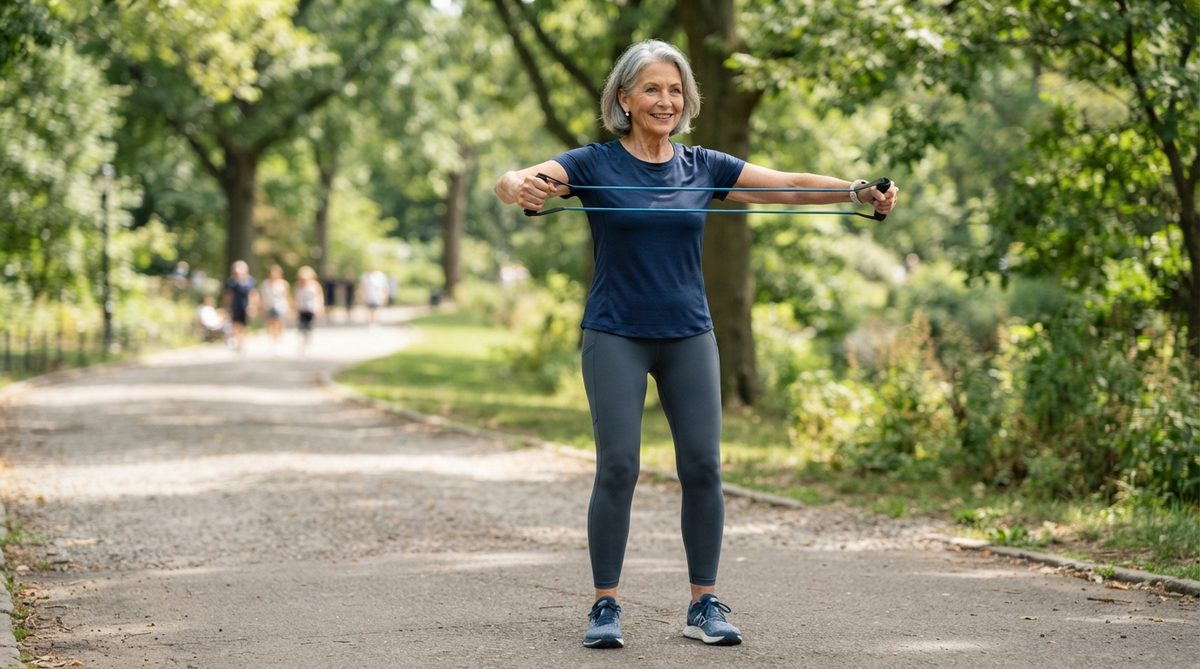
This is the myth that keeps cardiologists’ phones ringing with worried patients — and ironically, the evidence shows the opposite is true. Properly performed resistance training for seniors is not only safe but actively protective.
The Joint Concern
I understand the fear. If you have osteoarthritis in your knees or shoulders, the idea of loading those joints sounds counterintuitive. But the Mayo Clinic states clearly that strength training helps stabilize joints, reduce pain, and improve function in people with arthritis. The muscles surrounding a joint act as shock absorbers. Stronger muscles mean less stress on cartilage and bone.
A 2023 meta-analysis in Arthritis Care & Research found that adults over 60 with knee osteoarthritis who performed resistance training twice weekly reported 30% to 40% less pain than those who did not exercise. The key is proper form, appropriate load, and gradual progression — not avoidance.
The Heart Concern
Resistance exercise does cause temporary spikes in blood pressure during a lift. This has led to outdated blanket warnings against weight training for people with hypertension or heart disease. Current guidelines from the American Heart Association, updated in 2019, endorse moderate-intensity resistance training for most cardiac patients, including those with controlled heart failure.
| Health Outcome | Cardio (Walking, Swimming) | Resistance Training (Weights, Bands) | Both Combined |
|---|---|---|---|
| Muscle mass preservation | Minimal | Strong | Strongest |
| Bone density improvement | Minimal to Moderate | Strong | Strongest |
| Cardiovascular endurance | Strong | Moderate | Strongest |
| Blood sugar regulation | Moderate | Strong | Strongest |
| Fall risk reduction | Moderate | Strong | Strongest |
| Resting blood pressure reduction | Moderate | Moderate | Strong |
| Cognitive function support | Moderate | Moderate to Strong | Strong |
| Depression symptom reduction | Moderate | Moderate to Strong | Strongest |
As the table illustrates, the combination of both modalities delivers the most comprehensive benefits. But if you’re currently only walking, adding even modest resistance work fills critical gaps in your health strategy.
Myth #4: “I Need Less Protein as I Get Older”
This is where my expertise as a registered dietitian and nutritional scientist converges with exercise science, and I’ll be direct: this myth may be the most nutritionally dangerous misconception in geriatric health.
The long-standing Recommended Dietary Allowance (RDA) for protein is 0.8 grams per kilogram of body weight per day. That number was established as a minimum to prevent deficiency in the general adult population. It was never designed to optimize muscle health in aging adults.
What the Science Actually Says
A growing body of research, including position statements from the PROT-AGE Study Group and the European Society for Clinical Nutrition, recommends that adults over 65 consume 1.0 to 1.2 grams of protein per kilogram of body weight daily — and up to 1.5 g/kg if they’re dealing with acute or chronic illness. That’s 50% to nearly 90% more than the standard RDA.
“For a 160-pound adult over 65, the difference between the old RDA and current evidence-based recommendations is roughly 15 to 30 additional grams of protein per day — the equivalent of a chicken breast or two cups of Greek yogurt. That gap can mean the difference between maintaining independence and losing it.”
In my practice, I often tell my clients that resistance training without adequate protein is like building a house without enough lumber. The exercise sends the signal, but protein provides the raw material. Older adults also experience what researchers call “anabolic resistance” — their muscles are less efficient at using protein for repair and growth, which is precisely why they need more, not less.
Practical Protein Strategies for Adults 50+
- Distribute protein evenly across meals (25-30 grams per meal works better than one large protein-heavy dinner)
- Prioritize leucine-rich sources: eggs, dairy, poultry, fish, and soy are particularly effective at triggering muscle protein synthesis
- Consider a protein supplement if appetite is low — whey protein has the strongest evidence base for older adults
- Pair protein intake with your resistance training session when possible, ideally within two hours
Managing nutrition and healthcare costs go hand in hand as you age. Understanding how your income affects Medicare premiums is equally important — here’s a guide on how retirees can manage income to avoid higher IRMAA 2026.
Myth #5: “Strength Training Won’t Help My Chronic Condition”
Whether it’s type 2 diabetes, osteoporosis, chronic obstructive pulmonary disease (COPD), or even early-stage dementia, I’ve watched resistance training transform outcomes in conditions that many people assume are only manageable through medication.
Blood Sugar and Diabetes
Resistance training improves insulin sensitivity independently of aerobic exercise. A 2022 review in Diabetes Care found that adults with type 2 diabetes who performed resistance training at least twice weekly reduced their HbA1c by an average of 0.34% — a clinically meaningful change comparable to some oral diabetes medications. Muscle tissue is the body’s largest glucose sink. More muscle means better blood sugar clearance, full stop.
Bone Health and Osteoporosis
The Healthline health resource confirms that weight-bearing and resistance exercises are the primary non-pharmacological intervention for osteoporosis. Bones respond to mechanical stress by adding density. Studies consistently show that postmenopausal women who perform resistance training two to three times weekly experience significantly less bone loss at the hip and spine compared to sedentary controls.
Cognitive Function and Mental Health
This is a finding that doesn’t get enough attention. A 2020 systematic review in the British Journal of Sports Medicine found that resistance training produced significant improvements in executive function, memory, and processing speed in older adults — in some cases outperforming aerobic exercise for cognitive benefits. The mechanisms likely involve increased production of brain-derived neurotrophic factor (BDNF), improved cerebral blood flow, and reduced systemic inflammation.
Depression symptoms also respond powerfully to strength training. If you’re supporting a loved one through emotional challenges, understanding the full toolkit — including exercise — can make a real difference. These strategies for supporting an aging parent with depression offer a broader perspective.
How to Actually Start: Clearing the Final Barrier
Knowledge without action changes nothing. If you’ve read this far and you’re persuaded that resistance training for seniors is both safe and essential, the next question is practical: what do I do on Monday morning?
The Minimum Effective Approach
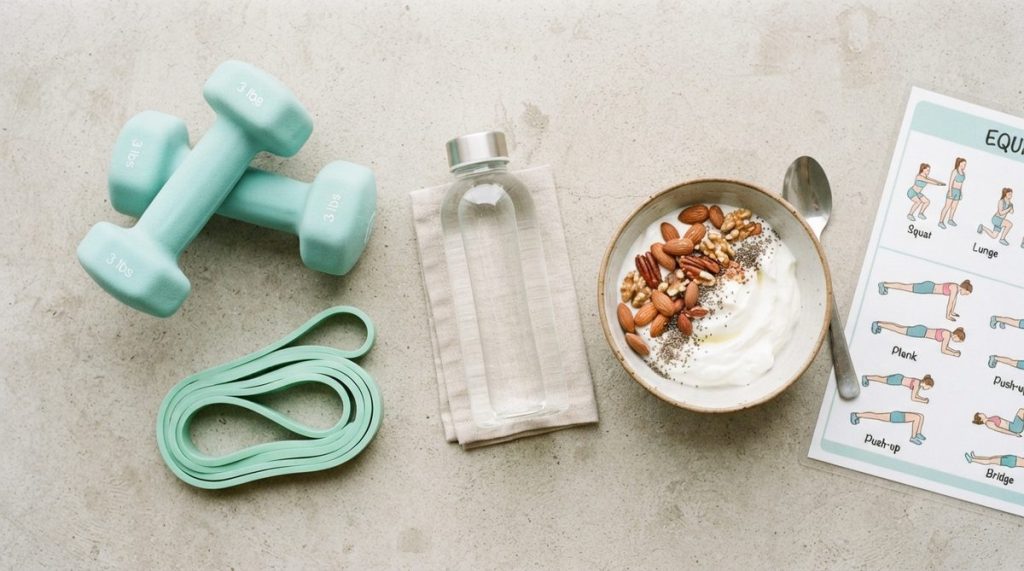
- Start with two sessions per week, each lasting 20 to 30 minutes
- Focus on compound movements that work multiple joints: squats (even chair-assisted), rows, chest presses, and modified deadlifts
- Use a resistance level where the last two repetitions of each set feel genuinely challenging — not painful, but demanding
- Progress slowly: add resistance or repetitions when a given weight feels comfortable for all prescribed sets
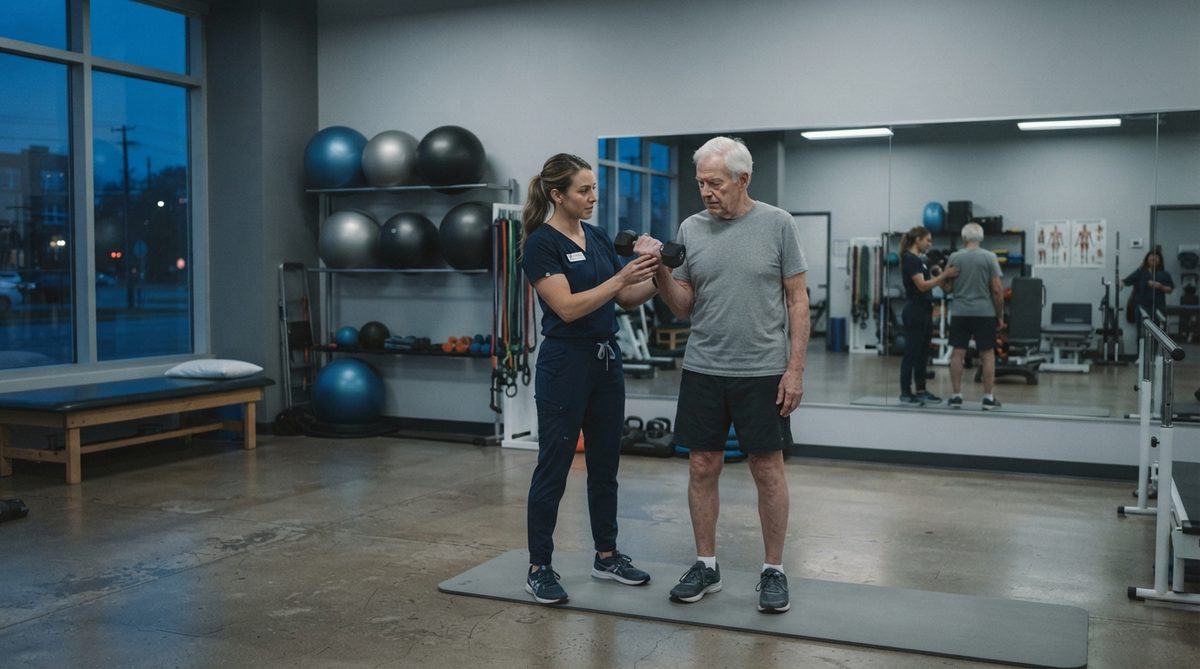
- Work with a certified trainer experienced with older adults for at least two to four initial sessions to learn proper form
If you have a diagnosed cardiac, orthopedic, or neurological condition, get clearance from your physician first. But don’t let “I should ask my doctor” become a permanent delay tactic. Most physicians will enthusiastically support you — the evidence is that clear.
The Bigger Picture: Redefining What Aging Looks Like
In my 15 years working with older adults, the single most consistent observation I’ve made is this: the people who age best aren’t the ones with the best genes or the most money. They’re the ones who refuse to accept decline as inevitable. They stay curious, they stay active, and they challenge their bodies even when it’s uncomfortable.
Resistance training for seniors isn’t about bodybuilding or vanity. It’s about being able to pick up your grandchild, recover from a surgery, manage your diabetes without a third medication, and walk confidently without fearing a fall. Research continues to show that nearly half of older adults actually improve with age — and intentional strength training is a major reason why.
The myths we’ve dismantled today — that you’re too old, that cardio is enough, that it’s dangerous, that you need less protein, that it won’t help your chronic disease — are not just wrong. They’re obstacles standing between you and a longer, stronger, more independent life. It’s time to move them out of the way.
Frequently Asked Questions
How many days per week should seniors do resistance training?
Most evidence supports two to three sessions per week with at least one rest day between sessions. Even two days per week produces significant improvements in strength, bone density, and blood sugar regulation. The CDC and National Institute on Aging both recommend muscle-strengthening activities at least twice weekly for adults 65 and older.
Can resistance training help lower blood pressure in older adults?
Yes. Multiple studies show that regular resistance training produces modest but meaningful reductions in resting blood pressure, typically around 3 to 5 mmHg systolic. While the acute response during lifting does temporarily elevate blood pressure, the long-term effect is a net reduction. Always consult your physician if you have uncontrolled hypertension before starting.
Is resistance training safe after a joint replacement?
In most cases, yes — and it's strongly encouraged. After the initial surgical recovery period (typically 6 to 12 weeks), resistance training helps strengthen the muscles supporting the new joint, improves stability, and enhances long-term surgical outcomes. A physical therapist can design an appropriate post-surgical program tailored to your specific replacement and recovery timeline.
What's the best protein source for older adults doing resistance training?
Leucine-rich protein sources are most effective at stimulating muscle protein synthesis in older adults. Top choices include eggs, whey protein, dairy products like Greek yogurt, poultry, fish, and soy. Distributing protein intake evenly across three meals — aiming for 25 to 30 grams per meal — is more effective than consuming most protein at dinner, which is the typical American pattern.
About Dr. Linda Park, PhD, RD (Registered Dietitian)
Dr. Linda Park is a Registered Dietitian with a PhD in Nutritional Science and 15 years of clinical and research experience focused on older adults. She has published peer-reviewed research on the role of nutrition in managing diabetes, cardiovascular health, and cognitive decline in seniors. At Daily Trends Now, Dr. Park writes evidence-based articles on senior nutrition, supplement safety, meal planning, and the foods that truly make a difference for aging well.