

The Biggest Lies We Tell Ourselves About Older Adults and Tech
After spending 12 years covering consumer technology, I can tell you that no demographic has been more consistently underestimated than adults over 50. The stereotypes are relentless: seniors can’t figure out smartphones, they’ll never use smart home devices, they’re sitting ducks for every scam artist on the internet. I hear these assumptions repeated at tech conferences, in product pitch meetings, and even around holiday dinner tables.
But here’s the thing — the data tells a radically different story. Technology adoption among older adults has been surging for years, and the gap between younger and older users is narrowing faster than most people realize. A 2024 AARP Technology survey found that 76% of adults 50 and older now own a smartphone, and nearly half own a tablet. Those aren’t the numbers of a population that’s afraid of screens.
So let’s do something overdue: let’s bust the myths about seniors and technology wide open, one by one, and replace them with what’s actually happening in living rooms, doctors’ offices, and communities across America.
Myth 1: Older Adults Are “Too Old” to Learn New Technology
This is the granddaddy of all tech myths, and it’s the one that does the most damage. The assumption that cognitive decline makes learning new tech impossible after a certain age is not only wrong — it’s contradicted by neuroscience. The brain retains its ability to learn new skills well into the 70s, 80s, and beyond, especially when motivation and consistent practice are present.
What I see most often is not an inability to learn, but a lack of patient instruction. When someone hands their parent a new iPad and says “just figure it out,” that’s not a failure of the learner — it’s a failure of the teacher. Studies from the National Institutes of Health have shown that older adults learn technology effectively when instruction is structured, repeated, and low-pressure.
The real barrier isn’t age. It’s design. When tech companies build products with cluttered interfaces, tiny text, and buried settings menus, they’re creating obstacles for everyone — not just older users. The adults I’ve interviewed who struggle most with new devices almost always point to the same issue: “The instructions assume I already know things I don’t.”
Myth 2: Seniors Don’t Actually Use Their Devices
There’s a persistent belief that even when older adults own a smartphone or tablet, it sits in a drawer collecting dust. The numbers demolish this myth entirely. According to recent Pew Research data, 61% of Americans 65 and older use the internet daily, and that figure climbs to over 80% for those between 50 and 64.
What are they doing online? Everything. Video calling with grandchildren. Managing prescriptions through pharmacy apps. Streaming movies and music. Checking weather forecasts. Reading news. And increasingly, monitoring their own health through wearable devices and mobile health apps.
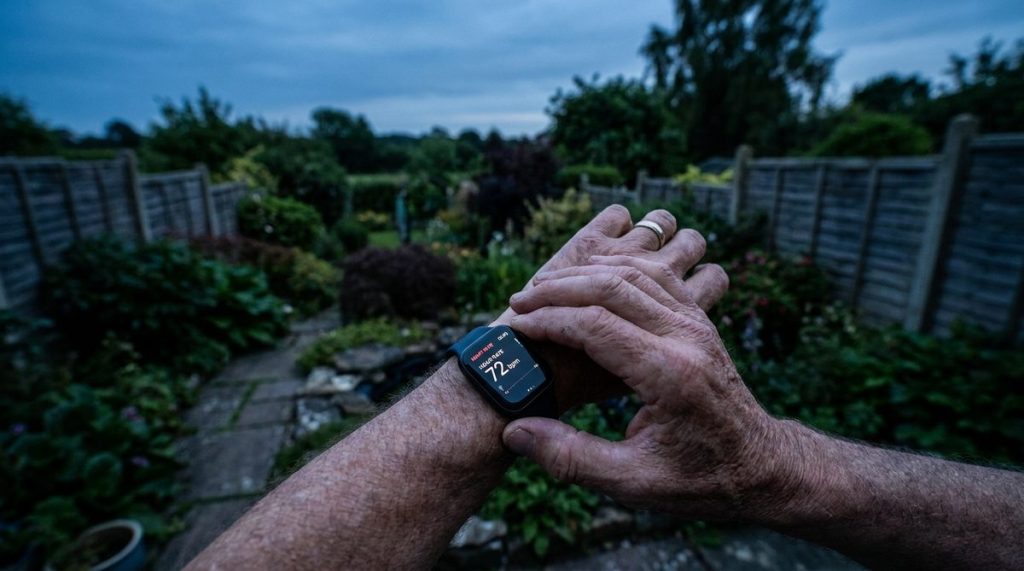
In my 12 years of reporting, the shift I’ve found most striking is how quickly health-related technology has been embraced by older users. Smartphone apps and wearables that track heart rate, blood pressure, step counts, and medication schedules have become genuinely popular among adults managing chronic conditions. A 2023 study published in the Journal of Medical Internet Research found that older adults who used mobile health apps showed significantly better medication adherence than those who didn’t. These aren’t passive device owners — they’re active, engaged users solving real problems in their daily lives. For more on how healthy routines support aging well, take a look at 5 Healthy Habits for Aging Well in Your 60s, 70s & Beyond.

Myth 3: Smart Home Devices Are Only for Young Tech Enthusiasts
Walk into a Best Buy and you’ll see smart home displays marketed almost exclusively to millennials and Gen Z — sleek lighting systems, voice-controlled entertainment setups, trendy-looking cameras. But the demographic that stands to benefit the most from smart home technology is adults over 60, particularly those aging in place.
Consider what smart home devices actually do at their core:
- Voice assistants like Amazon Echo and Google Nest allow you to set medication reminders, call family members, check the weather, and control lights — all without touching a screen or getting out of a chair.
- Smart locks eliminate the need to fumble with keys and allow trusted family members to check that doors are secured.
- Video doorbells let you see and speak with visitors without walking to the door — a genuine safety feature, not just a convenience.
- Automatic lighting systems reduce fall risk by illuminating hallways and bathrooms at night based on motion detection.
- Water leak sensors and smart smoke detectors send alerts directly to a family member’s phone if something goes wrong.
These aren’t luxury gadgets. They’re practical tools that directly support independence and safety. The myth that smart home tech is “too complicated” for older adults often evaporates once someone actually tries a voice assistant. Saying “Alexa, call my daughter” requires zero technical skill. If you’re weighing whether to stay in your home long-term, it’s worth reading 5 Aging in Place Myths That Could Cost You Safety & Money to separate fact from fiction.
The Setup Problem Is Real — But Solvable
I won’t pretend that initial setup is always easy. Connecting a smart speaker to Wi-Fi, linking accounts, and configuring routines can be frustrating for anyone. What I often tell my readers is this: ask for help with setup, then enjoy the simplicity of daily use. Many local libraries, senior centers, and even Best Buy’s Geek Squad offer free or low-cost setup assistance. Once configured, these devices are often simpler to use than the TV remote they replace.
Myth 4: Older Adults Are Helpless Against Online Scams
This myth is particularly harmful because it’s half-true in the worst possible way. Yes, the FBI reported that Americans over 60 lost more than $3.4 billion to online fraud in 2023 — a staggering figure that represents a 11% increase from the previous year. Scammers absolutely target older adults, and the threat is real and growing.
But the myth isn’t about the threat existing — it’s the assumption that older adults can’t learn to defend themselves. That’s flatly wrong, and it’s a dangerous belief because it leads families to either restrict internet access (creating isolation) or simply hope for the best (creating vulnerability).
The truth is that scam awareness education works, and it works well. The FTC’s consumer education resources have been specifically redesigned in recent years to be accessible and actionable for older adults. CISA (the Cybersecurity & Infrastructure Security Agency) offers free guides on recognizing phishing emails, securing personal devices, and creating strong passwords.
Here are the scam red flags I recommend everyone over 50 memorize:
- Any unsolicited call, text, or email demanding immediate action — especially involving money or personal information.
- Requests to pay via gift cards, wire transfers, or cryptocurrency. No legitimate organization uses these payment methods.
- Messages claiming to be from the IRS, Social Security Administration, or Medicare that threaten arrest or benefit suspension.
- Tech support pop-ups that claim your computer is infected and demand you call a number immediately.
- “Grandparent scams” where a caller pretends to be a grandchild in trouble and begs you not to tell anyone.
Knowledge is the single most effective defense. For a deeper dive into protecting your finances, I highly recommend reading How to Protect Yourself From Financial Scams Targeting Older Adults.

Myth 5: Telehealth Is Too Impersonal and Complicated for Seniors
When telehealth exploded during the COVID-19 pandemic, a common worry was that older adults would be left behind. In reality, adoption among the 65-and-older population skyrocketed. A study from the University of Michigan’s National Poll on Healthy Aging found that telehealth use among older adults increased by more than 300% between early 2020 and mid-2021 — and much of that usage has stuck.
The “impersonal” criticism misses the point entirely. For someone managing a chronic condition who lives 40 minutes from their specialist, a video check-in isn’t impersonal — it’s a lifeline. For a patient recovering from surgery who shouldn’t be driving, telehealth isn’t a lesser option — it’s the better one.
What Actually Makes Telehealth Work for Older Adults
The platforms that work best share certain characteristics: large buttons, simple login processes, and the option to join via phone call if video isn’t working. Many health systems now offer “tech check” calls 24 hours before a telehealth appointment, where a staff member walks the patient through the connection process. This single innovation has dramatically reduced missed appointments.
I’ve spoken with dozens of older adults who initially dreaded telehealth and now prefer it for routine visits. The key word is “routine” — nobody is suggesting telehealth replace hands-on examinations or emergency care. But for medication reviews, mental health check-ins, and chronic disease management, it’s proven remarkably effective across age groups.
Myth 6: Technology Isolates Older Adults Instead of Connecting Them
This myth has been around since the dawn of social media, and it fundamentally misunderstands how older adults actually use technology. For younger users, excessive screen time can displace in-person interaction. But for older adults — particularly those with mobility challenges, those who’ve lost a spouse, or those living far from family — technology often provides connection that wouldn’t otherwise exist at all.
Video calling alone has transformed how geographically separated families maintain relationships. Watching a grandchild’s school play over FaceTime isn’t the same as being there, but it’s infinitely better than hearing about it three weeks later. Group text chains, shared photo albums, and even simple emoji reactions to a grandchild’s message create ongoing touchpoints that sustain relationships across distance.
Research from the Global Council on Brain Health found that older adults who regularly use technology for social connection report lower levels of loneliness and higher levels of life satisfaction. That’s not a minor finding — loneliness is now recognized as a health risk on par with smoking 15 cigarettes a day, according to the U.S. Surgeon General’s 2023 advisory. Technology, used intentionally, is a genuine antidote. Emotional well-being is deeply connected to staying engaged; if someone in your life is struggling, read more about how to help your aging parent with depression.
Myth 7: It’s Not Worth Investing in Tech Skills After Retirement
I hear this one constantly, and it might be the most self-defeating myth on the list. The reasoning goes something like: “I’m retired, I don’t need to keep up with technology anymore.” But retirement is precisely when digital literacy becomes more important, not less.
Consider what daily life increasingly requires:
- Banking and bill pay have moved heavily online, with many institutions reducing branch hours or closing locations entirely.
- Healthcare portals require login access to view test results, schedule appointments, and communicate with providers.
- Government services — from Social Security to Medicare — are pushing digital-first communication.
- Travel booking, grocery delivery, ride-sharing, and dozens of other practical services now assume digital access.
Choosing not to develop basic tech skills after retirement doesn’t preserve a simpler life — it creates dependency on others for tasks you could handle independently. And independence, as Consumer Reports has documented in its technology accessibility reporting, is consistently the number one priority older adults express when surveyed about their goals.
Where to Start If You’re Behind
If you’re reading this and thinking “okay, but I genuinely don’t know where to begin,” that’s completely fair. The best starting point is your local public library, which almost certainly offers free digital literacy classes tailored to beginners. AARP’s technology resources are another excellent option — their guides are written specifically for adults 50 and older, with clear language and realistic expectations.
The key is to start with technology that solves a problem you actually have. If you’re worried about falls, explore a medical alert device. If you miss your grandkids, learn video calling first. If you’re concerned about fraud, start with password management. Motivation tied to real life always beats abstract “you should learn this” advice.
The Real Story: Seniors Are Already Adopting — The World Just Hasn’t Noticed
The throughline across all seven of these myths is the same: they underestimate older adults. They assume fragility where there is adaptability. They see risk where there is opportunity. And they project a narrative of decline onto a population that, by every measurable metric, is embracing technology at record rates.
The 2024 data on tech adoption among adults 50 and older isn’t just encouraging — it’s a rebuke to every lazy stereotype about seniors and screens. Smartphone ownership, streaming subscriptions, wearable device usage, and smart home adoption are all trending sharply upward in this age group.
What needs to change isn’t older adults — it’s how the tech industry, families, and media talk about them. Better product design, more patient support, and a genuine respect for the skills and intelligence that come with decades of life experience would do more than any “senior-friendly” gimmick ever could.
In my 12 years covering this space, the most tech-savvy people I’ve met weren’t always the youngest. They were the most curious. And curiosity, thankfully, has no expiration date.
Frequently Asked Questions
What is the best first device for an older adult who has never used technology?
A tablet with a large screen, such as an iPad or Samsung Galaxy Tab, is often the best starting point. The larger display makes text and buttons easier to see and tap, and most tablets offer accessibility settings like text enlargement, voice control, and simplified home screens. Pair it with a basic tutorial from a local library or AARP resource, and focus on one task first — like video calling family.
Are older adults really at higher risk for online scams than younger people?
Older adults do report higher individual financial losses per scam incident, according to FBI data — adults over 60 lost over $3.4 billion to fraud in 2023. However, younger adults actually fall for scams more frequently by volume. The difference is that older adults tend to lose larger sums per incident, often from retirement savings. Scam awareness education significantly reduces risk across all age groups.
How can I help an older family member feel more confident with technology?
The most effective approach is patience and relevance. Start with a technology that solves a specific problem they care about — staying connected with grandchildren, managing medications, or streaming a favorite show. Avoid overwhelming them with multiple devices or features at once. Write down simple step-by-step instructions they can reference later, and schedule regular low-pressure check-ins to answer questions without judgment.
About Alex Rivera, 12+ Years in Consumer Tech Reporting
Alex Rivera is a senior technology journalist with over 12 years of experience making technology accessible to everyday readers. He has covered consumer electronics, smartphones, smart home devices, streaming platforms, and digital privacy for major publications. At Daily Trends Now, Alex focuses on the tech that matters most to American adults — from choosing the right phone plan to protecting your data online. His reviews and guides cut through the jargon to help readers make confident technology decisions.