

Key Takeaways
- Most homes can be adapted for aging in place for far less than people assume, often starting around $1,500 for critical safety modifications.
- Waiting until a health crisis to plan aging in place is the single most expensive and dangerous mistake seniors make.
- Aging in place doesn't mean aging alone — community programs, technology, and strategic planning can maintain social connection and safety.
- The real cost comparison between staying home and moving to assisted living overwhelmingly favors home modifications for the majority of seniors.
The Dream of Staying Home — and the Myths Standing in the Way
Nearly 90% of adults over 65 want to remain in their own homes as they age, according to AARP. That number has held remarkably steady for over a decade. Yet despite this overwhelming preference, the gap between wanting to age in place and actually preparing for it remains staggering.
In my 16 years covering lifestyle and active aging topics, I’ve watched this disconnect play out hundreds of times. Readers write to me convinced they can’t afford to stay home, or certain they don’t need to think about it yet, or assuming that aging in place means becoming isolated. Every one of those beliefs is either outdated or flat-out wrong.
What concerns me most is that these aging in place myths aren’t just harmless misunderstandings. They lead to delayed decisions, preventable injuries, and financial strain that can upend an otherwise comfortable retirement. Recent data shows that aging in place is reshaping housing demand across the country — and most homes simply aren’t ready. But yours can be.
Let’s dismantle the most persistent myths one by one, so you can make decisions based on evidence instead of assumptions.
Myth #1: “Aging in Place Is Only for People Who Can’t Afford Assisted Living”
This is perhaps the most backwards misconception I encounter. The reality? Aging in place is frequently the more financially strategic choice, not the fallback option.
The median annual cost of assisted living in the United States hit $64,200 in 2024, according to Genworth’s Cost of Care Survey. A private room in a nursing home now averages over $108,000 per year. Compare that to the cost of making meaningful safety modifications to a home you already own — and the math becomes overwhelmingly clear.
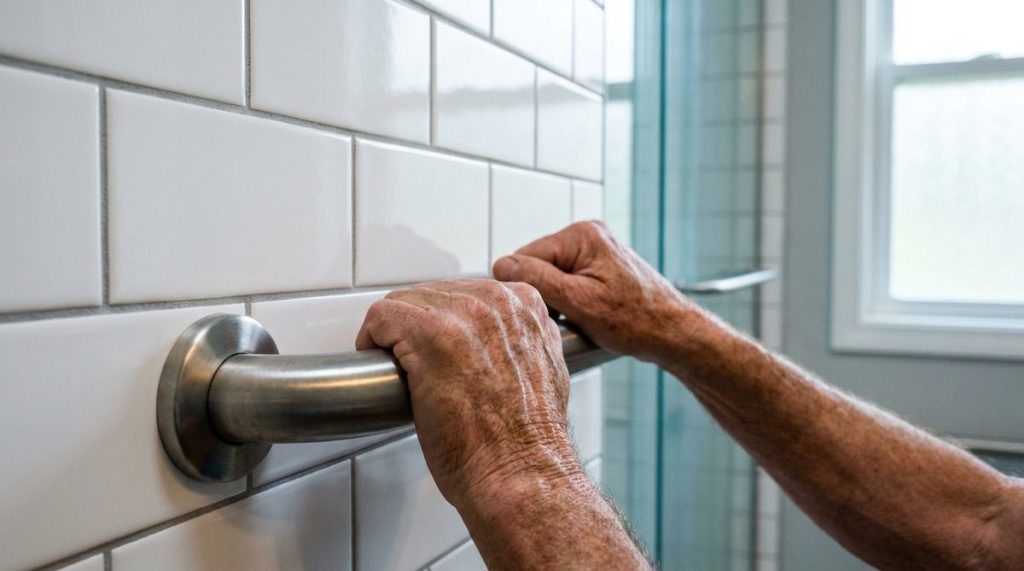
Recent reporting has highlighted that you can set up essential aging-in-place modifications for as little as $1,500. That covers grab bars in bathrooms, improved lighting, non-slip flooring in high-risk areas, and lever-style door handles. Even more extensive renovations — widening doorways, installing a walk-in shower, adding a stair lift — typically run between $10,000 and $30,000. That’s still less than six months in many assisted living facilities.
Of course, the financial picture for retirees is complicated by broader economic pressures. If you’re concerned about stretching your retirement dollars, I’d recommend reading about how retirees face a triple threat from inflation in 2025-2026 to understand the full landscape before making major housing decisions.
The Truth
Aging in place isn’t the budget option — it’s often the smart-money option. The key is planning proactively rather than reactively, which brings us to the next myth.
Myth #2: “I Don’t Need to Think About This Until Something Happens”
This one keeps me up at night. I’ve interviewed dozens of families who were forced into emergency home modifications — or emergency facility placement — after a fall, a stroke, or a hip replacement. The costs skyrocket. The options shrink. The stress is immeasurable.
The National Council on Aging reports that one in four Americans aged 65 and older falls each year, and falls are the leading cause of injury-related death in that age group. What’s particularly telling is that the majority of these falls happen at home — in the very spaces people assume are safe because they’ve lived there for decades.
Waiting for a crisis means you’re making major decisions under duress, often from a hospital bed, with limited contractor availability and premium rush pricing. I’ve seen families pay three to four times the normal rate for bathroom modifications because they needed them completed before a parent’s discharge date.
The Truth
The best time to prepare your home for aging in place is in your 50s or early 60s — years before you think you need it. The second-best time is right now. Modifications made proactively are cheaper, better planned, and give you time to compare contractors and explore grant programs like the growing number of Aging in Place community grants popping up across the country.
Myth #3: “My Home Is Fine — I’ve Lived Here for 30 Years Without Problems”
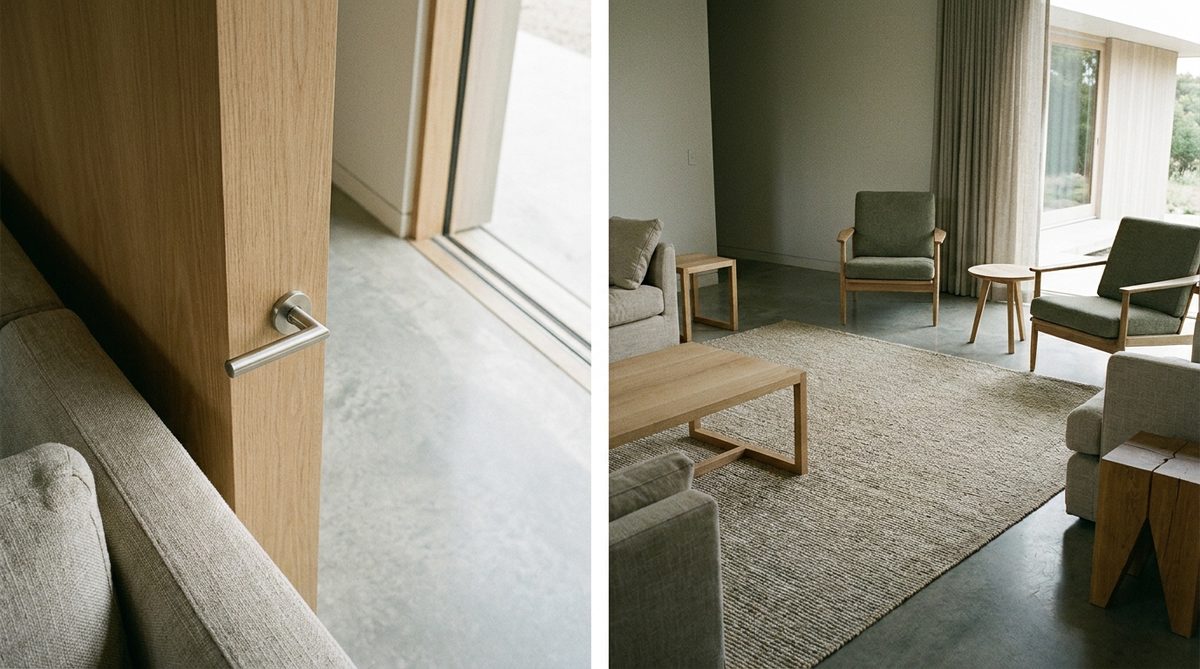
Familiarity breeds a dangerous kind of blindness. That narrow hallway you’ve navigated effortlessly for three decades becomes a serious obstacle with a walker. The bathtub you step over every morning becomes a fall risk when balance and flexibility decline. The basement laundry room you’ve used weekly becomes inaccessible after knee surgery.
What I see most often is that people confuse comfort with safety. Your home may feel perfectly comfortable right now, but comfort and accessibility are not the same thing. A 2023 study from the Joint Center for Housing Studies at Harvard found that fewer than 4% of U.S. housing stock has the three basic accessibility features needed for aging in place: a no-step entry, single-floor living, and accessible bathroom features.
That means there’s a 96% chance your home isn’t ready, even if it feels like it is.
A Quick Home Assessment You Can Do Today
Walk through your home with fresh eyes — or better yet, ask a friend or family member to do it — and honestly evaluate these areas:
- Entryways: Can you enter without climbing steps? Is there room for a future ramp if needed? Are thresholds low enough for a wheelchair or walker?
- Bathrooms: Is there a shower you can enter without stepping over a high tub wall? Are grab bars installed near the toilet and in the shower? Is the flooring non-slip?
- Kitchen: Can you reach frequently used items without a step stool? Are there lever-style faucet handles? Is the lighting bright enough to safely handle knives and hot surfaces?
- Hallways and doorways: Are doorways at least 32 inches wide (36 is better)? Are hallways clear of clutter and well-lit?
- Flooring: Are there area rugs without non-slip backing? Are there transitions between flooring types that could catch a foot or a wheel?
- Lighting: Do you have nightlights or motion-sensor lighting along paths from bedroom to bathroom? Are light switches accessible at both ends of hallways and staircases?
- Stairways: Are handrails secure on both sides? Could you live entirely on one floor if you needed to?
If you answered “no” to more than two of these, your home has gaps that deserve attention — regardless of how fine everything feels today. For more on separating fact from fiction about getting older, take a look at these 7 myths about aging and health that seniors must stop believing.
Myth #4: “Aging in Place Means Aging Alone”
This myth does real harm because it convinces people — especially their adult children — that staying home inevitably leads to isolation and loneliness. The National Institute on Aging has extensively documented the health risks of social isolation, linking it to increased rates of dementia, heart disease, and depression. Those risks are real and serious.
But here’s what the myth gets wrong: moving to a facility doesn’t automatically solve loneliness, and staying home doesn’t automatically cause it.
Research published in The Gerontologist found that older adults in assisted living facilities reported loneliness levels comparable to or even higher than those living independently in the community. The structure matters less than the strategy.
Building Connection at Home
I often tell my readers that aging in place should really be called “aging in community.” The most successful aging-in-place plans I’ve seen include deliberate social infrastructure:
- Village-model programs — member-driven organizations like the Village to Village Network connect neighbors for mutual support, social events, and shared services. These programs are expanding rapidly, with over 300 Villages operating across the U.S. in 2025.
- Technology-enabled connection — video calls, online hobby groups, and even multiplayer games keep people engaged. And no, you don’t have to be “tech-savvy.” Today’s platforms are specifically designed for older adults.
- Structured activities outside the home — senior centers, faith communities, volunteer organizations, and hobby groups provide regular social contact. Activities like group walking, book clubs, gardening clubs, and even LEGO building (yes, doctors are now recommending it for cognitive health) offer both mental stimulation and human connection.
- Home-sharing arrangements — programs that match older homeowners with compatible housemates are growing in popularity, providing companionship and supplemental income simultaneously.
Aging in place without a social plan is risky. Aging in place with a social plan can be richer and more connected than institutional living.
Myth #5: “Home Modifications Are Ugly and Will Tank My Home Value”
I understand this concern — nobody wants their home to look like a clinical facility. But this myth is rooted in a decade-old reality that no longer applies.
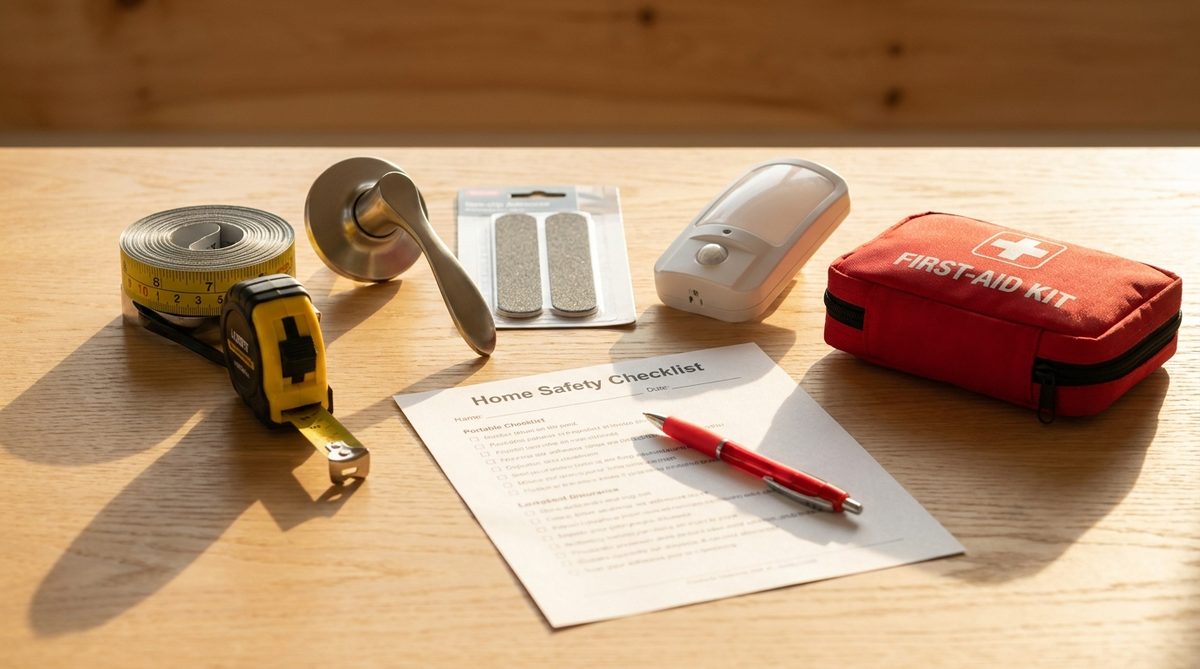
Better Homes & Gardens and other design publications have extensively covered the “universal design” movement, which integrates accessibility into aesthetically beautiful home design. Today’s grab bars come in designer finishes like matte black, brushed gold, and oil-rubbed bronze. Curbless showers are a luxury feature in high-end homes. Lever door handles are considered modern and sleek.
As for home value, the National Association of Home Builders has found that accessible features actually increase appeal in the current market. With the 65-and-over population projected to reach 82 million by 2050, demand for accessible homes is surging. A home that’s already modified for aging in place has a competitive advantage, not a disadvantage.
The Truth
Smart accessibility modifications are an investment that serves you now, protects you later, and appeals to the fastest-growing segment of homebuyers when you eventually sell.
Myth #6: “Medicare or Insurance Will Cover Everything If I Need Help”
This is a dangerous assumption that catches many retirees off guard. Medicare does not pay for home modifications. It does not cover grab bar installation, ramp construction, bathroom renovations, or stair lifts. Medicare will cover some home health services — skilled nursing, physical therapy — but only under specific conditions and for limited durations.
Long-term care insurance can help, but only about 7.5 million Americans currently hold long-term care policies, and premiums have risen dramatically over the past decade. Medicaid may cover some home modifications for those who qualify, but eligibility thresholds are strict and vary significantly by state.
Funding Options That Actually Exist
Don’t despair — there are real resources available if you know where to look:
- USDA Rural Development loans and grants for home repairs for low-income seniors in rural areas (up to $10,000 in grants for those 62+).
- HUD’s Home Equity Conversion Mortgage (HECM) program, which allows qualifying homeowners to use home equity for modifications.
- State and local Area Agency on Aging programs that offer free or subsidized home assessments and modifications.
- Community grant programs — like the new Aging in Place grant partnerships emerging between organizations like Village Friends and local nonprofits.
- Veterans benefits through the VA’s Specially Adapted Housing grant and Home Improvements and Structural Alterations program.
Understanding what’s actually covered — and what isn’t — is critical to avoiding financial surprises. I’d also suggest reviewing guidance on 5 aging in place myths that could cost you safety and money for a deeper dive into the financial planning side.
Myth #7: “Technology Can Replace Human Help”
Smart home devices, medical alert systems, medication management apps, video doorbells, automated lighting — the technology available to support aging in place in 2025 is genuinely impressive. And I recommend much of it.
But technology is a supplement, not a substitute. A motion sensor can detect that you fell. It cannot help you up. A medication reminder app can buzz at the right time. It cannot assess whether a new drug interaction is making you dizzy. A video doorbell can show you who’s at the door. It cannot spot that the person claiming to be from your utility company is running a scam — though learning how to protect yourself from financial scams targeting older adults certainly helps.
The Truth
The strongest aging-in-place plans layer technology on top of human support — a combination of family involvement, professional caregivers (even part-time), community programs, and trusted neighbors. Technology fills gaps beautifully. It should never be expected to stand alone.
Your Aging in Place Action Plan: Start This Week
I’ve spent this entire article tearing down myths. Now let me leave you with something constructive — a realistic action plan you can begin immediately, regardless of your current age or health status.
- Schedule a home safety walkthrough using the checklist above. Bring a trusted friend or family member for a second set of eyes. Write down every concern, no matter how small.
- Get a professional assessment. Many Area Agencies on Aging offer free or low-cost home safety assessments by occupational therapists. Call your local agency or visit the Eldercare Locator at 1-800-677-1116.
- Prioritize the bathroom first. It’s the highest-risk room in the house. Grab bars, non-slip mats, and improved lighting can be installed in a weekend for a few hundred dollars.
- Research funding options. Spend one afternoon exploring the grant and loan programs listed above. You may qualify for more assistance than you realize.
- Build your social infrastructure. Identify two or three regular activities outside the home. Look into Village model programs in your area. Set up a weekly check-in call with a friend, neighbor, or family member.
- Create a “what if” document. Write down your preferences for care, your key contacts, your financial information, and your wishes. Share it with someone you trust. Update it annually.
- Revisit your plan every year. Your needs at 62 won’t be your needs at 75. Build in regular reassessment so your home and your support network evolve as you do.
The Bottom Line on Aging in Place
After 16 years of writing about how Americans navigate the second half of life, I can tell you that the biggest obstacle to successful aging in place isn’t money, health, or housing stock. It’s misinformation.
Every myth I’ve debunked here has a real cost — in dollars, in safety, in quality of life. The seniors who thrive at home aren’t the ones who got lucky. They’re the ones who got informed, made a plan, and started early.
Your home can be the place where you live your best years — not because it’s perfect as it is, but because you made it ready. And the best part? You don’t have to do it all at once. You just have to start.
About Jennifer Adams, 16 Years in Lifestyle Journalism
Jennifer Adams is a lifestyle journalist with 16 years of experience writing about travel, hobbies, relationships, home life, and the art of aging well. She has contributed to national publications focused on the interests and aspirations of adults over 50 — from budget-friendly travel destinations to rediscovering hobbies in retirement. At Daily Trends Now, Jennifer writes warm, practical articles that celebrate life after 50 and help readers make the most of every chapter.