
Key Takeaways
- Nearly half of older adults actually report improved well-being with age, contradicting the myth that decline is inevitable.
- Depression in seniors is not a normal part of aging — it is a treatable medical condition that affects roughly 7 million Americans over 65.
- Strength training remains safe and effective well into your 80s and 90s, and avoiding exercise accelerates decline faster than aging itself.
- Many widely held beliefs about aging and health are outdated or flat-out wrong, and believing them can cost you years of vitality.
The Beliefs That Are Holding You Back
After 18 years of working with older adults as a board-certified geriatric physical therapy specialist, I can tell you that the biggest threat to healthy aging isn’t arthritis, heart disease, or even falls. It’s the myths people carry around in their heads about what aging actually means.
These beliefs sound reasonable. Some of them were even taught in medical schools decades ago. But research has moved forward, and many of the “truths” about aging and health that people over 50 accept without question are flat-out wrong — and believing them can shave years off your independence.
A landmark 2025 Yale study found that nearly half of older adults actually reported improvements in well-being as they aged. That finding stunned a lot of people, but it didn’t surprise me at all. The patients I see who thrive aren’t genetically lucky — they’ve simply rejected the cultural scripts about decline and replaced them with evidence-based strategies.
Let’s dismantle seven of the most persistent myths I encounter, one by one, and replace them with what the science actually shows.
Myth 1: “Feeling Down Is Just Part of Getting Older”
This is the myth that genuinely scares me, because it kills people. Not metaphorically — literally. When families assume that sadness, withdrawal, or loss of interest in life is a normal part of aging, they don’t seek treatment. And untreated depression in older adults is associated with a significantly higher risk of heart disease, cognitive decline, and suicide.
According to the CDC, approximately 7 million Americans over 65 experience clinical depression. Yet studies consistently show that fewer than half receive any treatment at all. The gap isn’t because treatments don’t work — antidepressants and cognitive behavioral therapy are highly effective in older populations. The gap exists because of this myth.
What the Evidence Actually Shows
Late-life depression is a medical condition with identifiable neurochemical and situational causes, including medication side effects, chronic pain, isolation, and loss of purpose. It responds to treatment at rates comparable to depression in younger adults.
I often tell my patients’ families: if your parent seems persistently withdrawn, has stopped doing things they used to enjoy, or is sleeping far more or less than usual, that’s not “just aging.” That’s a red flag that deserves a conversation with their physician. Depression screening tools like the PHQ-9 take less than five minutes and can change someone’s trajectory entirely.
Myth 2: “Exercise Is Dangerous After a Certain Age”
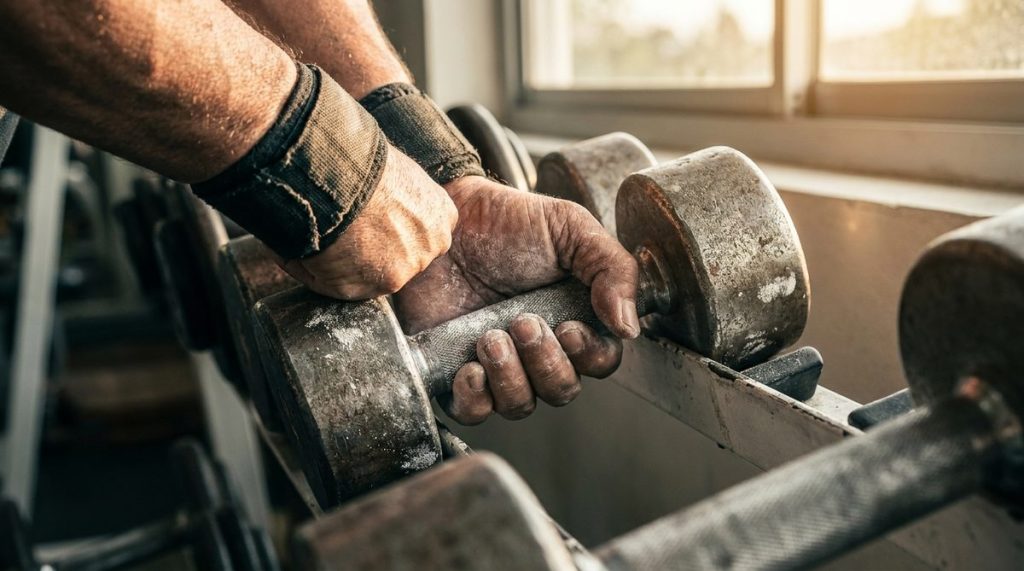
If I had a dollar for every time a well-meaning adult child told me they didn’t want their parent lifting weights because “they might get hurt,” I could fund my own research lab. This myth is not only wrong — it’s backwards. The danger isn’t exercise. The danger is the absence of exercise.
Muscle mass declines roughly 3-8% per decade after age 30, and that rate accelerates after 60. This process, called sarcopenia, is the primary driver of falls, fractures, and loss of independence. But here’s the part that doesn’t get enough attention: sarcopenia is largely reversible with resistance training, even in people in their 80s and 90s.
The Research Is Overwhelming
A widely cited study published in the Journal of the American Geriatrics Society showed that adults aged 87-96 who performed progressive resistance training increased their muscle strength by an average of 174% over just eight weeks. That’s not a typo.
The National Institute on Aging recommends that older adults perform muscle-strengthening activities at least two days per week, along with 150 minutes of moderate-intensity aerobic activity. These aren’t aspirational goals for “healthy” seniors — they’re baseline recommendations for virtually all older adults, including those managing chronic conditions.
What I see most often is a vicious cycle: someone has a minor injury, they stop moving “to be safe,” deconditioning sets in within weeks, and suddenly they can’t get up from a chair without help. The exercise didn’t cause the decline. The fear of exercise did. For more on building sustainable habits, take a look at 5 Healthy Habits for Aging Well in Your 60s, 70s & Beyond.
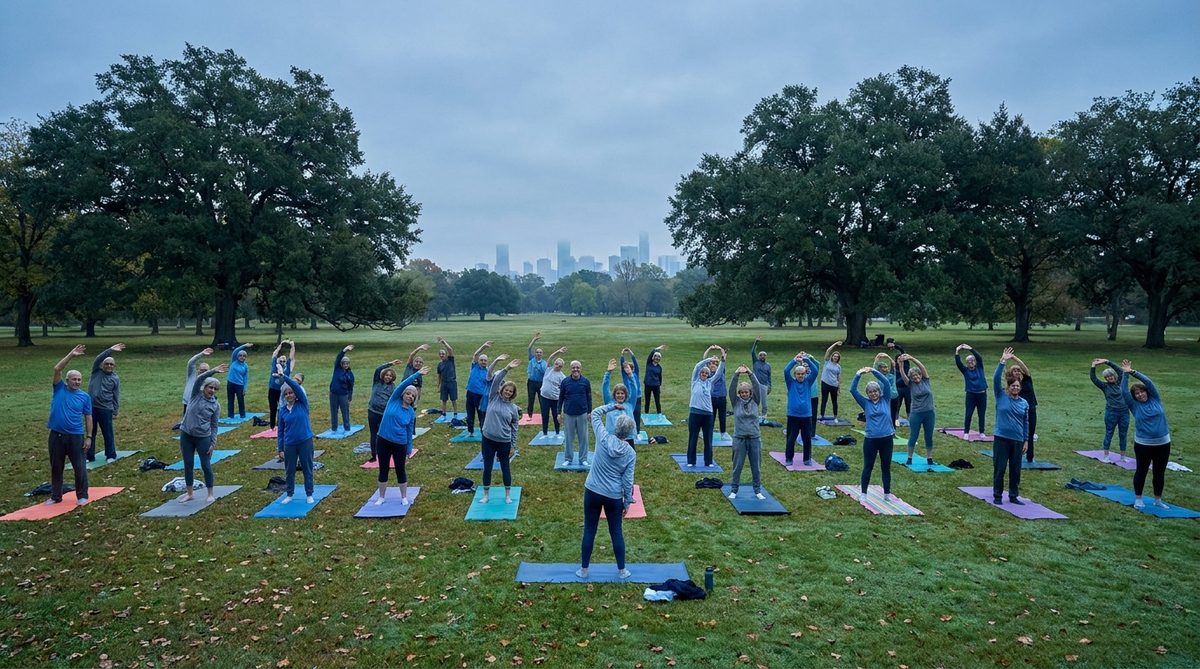
Myth 3: “Cognitive Decline Is Inevitable and Unstoppable”
The fear of losing your mind is, for many of my patients, greater than the fear of losing their mobility. And the cultural messaging around dementia makes it sound like a ticking time bomb with no off switch. But the reality is far more nuanced — and far more hopeful — than most people realize.
According to a 2024 report from The Lancet Commission on Dementia Prevention, up to 45% of dementia cases worldwide are attributable to 14 modifiable risk factors. These include hearing loss (the single largest modifiable factor), physical inactivity, social isolation, hypertension, diabetes, excessive alcohol use, and air pollution exposure.
Your Brain Is More Resilient Than You Think
Neuroplasticity — the brain’s ability to form new neural connections — doesn’t stop at 25. It slows, but it continues throughout life. Activities that challenge cognitive function, maintain cardiovascular health, and preserve social engagement have been shown in multiple longitudinal studies to significantly delay or prevent cognitive decline.
The Yale study I mentioned earlier supports this directly: participants who maintained physical activity, social connections, and a sense of purpose were dramatically more likely to report cognitive improvements rather than declines. The takeaway isn’t that dementia doesn’t exist. It’s that you have far more control over your brain health than the prevailing narrative suggests.
- Untreated hearing loss doubles the risk of cognitive decline — get your hearing checked annually after 50
- Aerobic exercise increases hippocampal volume (the brain’s memory center) by up to 2% per year in older adults
- Social isolation carries a cognitive risk comparable to smoking 15 cigarettes a day
- Learning a new skill — not just doing crossword puzzles — builds the most robust neural pathways
Myth 4: “You Need Less Sleep as You Age”
This one drives me up the wall because it’s half-true, which makes it more dangerous than a myth that’s completely false. Older adults don’t need less sleep. What changes is sleep architecture — the structure and quality of sleep cycles. And that distinction matters enormously.
The Mayo Clinic confirms that adults over 65 still need 7-8 hours of sleep per night. What happens with age is that deep sleep stages (stages 3 and 4) shorten, sleep becomes more fragmented, and circadian rhythms shift earlier. This means older adults often wake earlier and may nap during the day, creating the illusion that they need less total sleep.
Why This Myth Is Dangerous
When people accept poor sleep as normal, they stop seeking solutions. But chronic sleep deprivation in older adults is linked to increased fall risk (reaction time drops measurably after just one night of poor sleep), elevated inflammatory markers, higher rates of cardiovascular events, and accelerated cognitive decline.
If you or a loved one is getting fewer than six hours of consolidated sleep regularly, that’s not “just how it is at this age.” Common and treatable culprits include sleep apnea (underdiagnosed in older women especially), medication timing issues, nocturia from unmanaged prostate or bladder conditions, and poor sleep hygiene habits that have accumulated over decades.
Myth 5: “Pain Is Something You Just Have to Live With”
In my clinical experience, this is the myth that steals the most quality of life. I hear some version of “Well, what do you expect at my age?” at least three times a week. And every time, I push back — firmly but compassionately.
Yes, osteoarthritis affects roughly 50% of adults over 65. Yes, degenerative disc changes appear on virtually every MRI of a spine over 60. But here’s what those statistics don’t tell you: imaging findings correlate poorly with pain. Studies have repeatedly shown that people with severe arthritis on X-ray can be pain-free, while people with minimal findings can be in agony. The imaging isn’t the whole story.
Modern Pain Science Has Changed Everything
We now understand that chronic pain is driven as much by the nervous system’s sensitivity as by structural damage. This means that interventions targeting the nervous system — graded exercise, manual therapy, cognitive behavioral approaches, sleep optimization, and stress management — often outperform passive treatments like injections or surgery for chronic musculoskeletal pain.
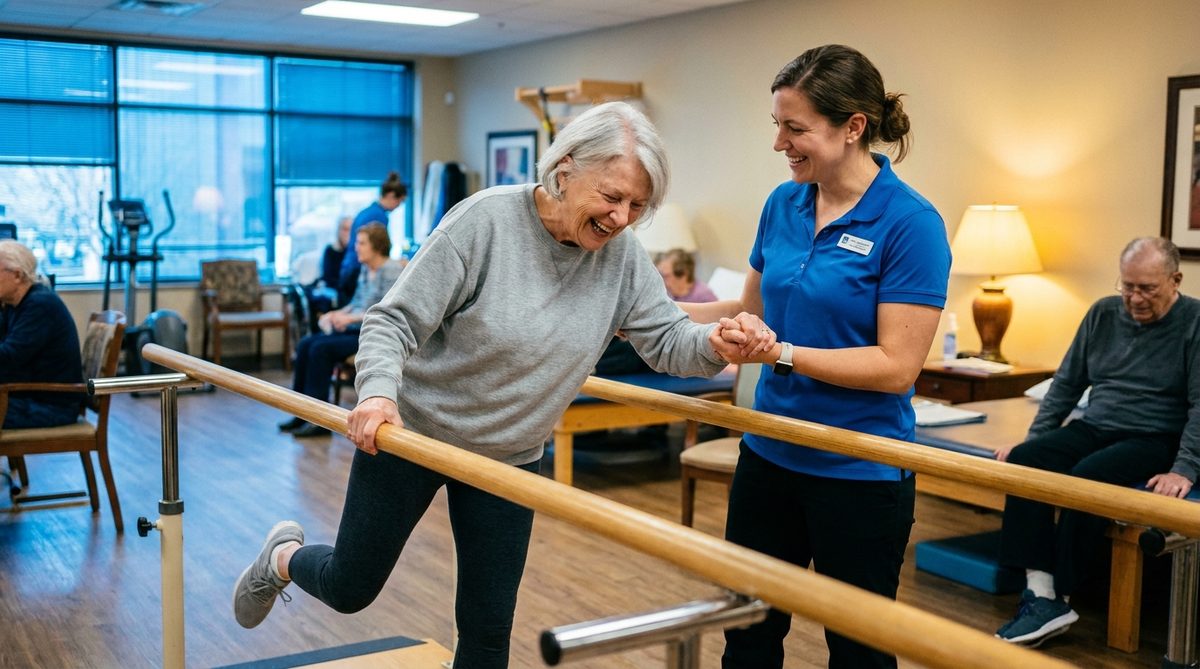
I’ve had patients in their 80s reduce their pain by 60-70% through progressive exercise programs that took 8-12 weeks. Not because their arthritis disappeared, but because their nervous system calmed down and their supporting muscles got stronger. Accepting pain as inevitable means accepting a smaller life. And that’s a choice, not a biological requirement.
Myth 6: “It’s Too Late to Make a Difference in My Health”
This might be the most insidious myth on the list because it undermines every other piece of health advice. Why exercise if it’s too late? Why change your diet at 72? Why quit smoking at 68? The assumption is that the damage is done and the window has closed.
The evidence says otherwise — emphatically.
The Numbers Tell a Different Story
- Quitting smoking after age 65 still reduces cardiovascular mortality risk by approximately 30% within three years
- Starting a walking program at any age reduces all-cause mortality by 20-30%, according to large meta-analyses
- Blood pressure management initiated in adults over 75 reduces stroke risk by roughly 33%, per the SPRINT trial data
- Dietary improvements — particularly increased protein intake and reduced ultra-processed food consumption — show measurable benefits in body composition within 12 weeks at any age
What I tell my patients is simple: you cannot go back in time, but your body is responding to what you do today. Every cell in your body is being rebuilt continuously. The raw materials and signals you provide — through movement, nutrition, sleep, and stress management — shape what gets built. That process doesn’t have a retirement age.
Summer is actually a perfect time to start making changes, especially around nutrition and outdoor activity. If you’re looking for specific guidance, 7 Nutrition Tips for a Healthy Senior Lifestyle This Summer is a solid starting point.
Myth 7: “Aging in Place Means Going It Alone”
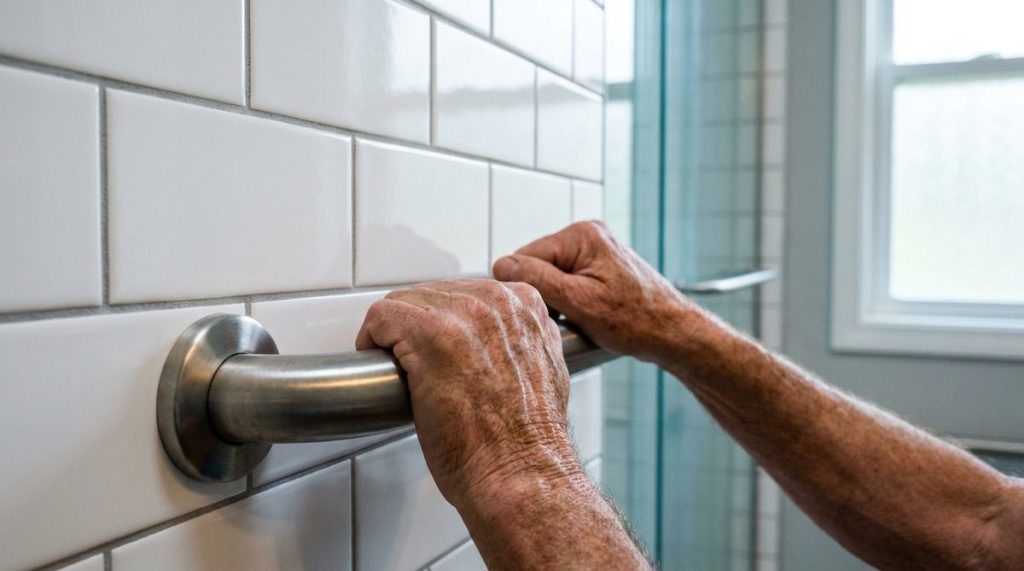
The desire to stay in your own home as you age is deeply personal and completely valid. But I’ve watched too many patients conflate “aging in place” with “refusing all help,” and the results can be devastating. Falls that happen because someone refused a grab bar installation. Medication errors because they didn’t want a pill organizer system. Social isolation because they stopped driving but wouldn’t accept rides.
Aging in place successfully requires planning, adaptation, and often technology. AI-powered health monitoring systems, telehealth platforms, medication management apps, and fall detection devices aren’t signs of weakness — they’re tools that extend independence. NIH-funded research is currently exploring how artificial intelligence can predict health crises before they happen, potentially allowing older adults to stay home safely for years longer than previous generations.
The Real Risk Isn’t Asking for Help
The real risk is isolation. A 2023 National Academies of Sciences report found that socially isolated older adults have a 50% increased risk of developing dementia and a 29% increased risk of coronary heart disease. Staying in your home is only beneficial if your home remains a place of connection, safety, and engagement — not a fortress of solitude.
If you’re planning to age in place, be honest about what modifications and support systems you need. There are common misconceptions about this process that can actually put your safety and finances at risk — 5 Aging in Place Myths That Could Cost You Safety & Money breaks those down in detail.
The Bigger Picture: Rewriting the Aging Narrative
Every myth on this list shares a common thread: they all assume that aging is a passive process that happens to you. That once you hit a certain birthday, your body and mind are on a fixed downward trajectory and your only job is to manage the decline as gracefully as possible.
That narrative is not supported by modern gerontology, exercise science, neuroscience, or the lived experience of millions of older adults who are thriving. The Yale study finding that nearly half of older adults improved with age wasn’t a fluke — it was confirmation of what clinicians like me see every day in practice.
Aging and health are not opposing forces. Aging is a biological reality. How you experience it — your strength, your cognition, your mood, your independence — is shaped profoundly by what you believe and what you do about those beliefs.
What You Can Do Starting This Week
I’m not going to pretend that reading one article will overhaul decades of ingrained beliefs. But awareness is the first step, and action is the second. Here are concrete moves you can make right now:
- If you’ve been avoiding exercise, ask your doctor for a referral to a physical therapist who specializes in geriatrics — we design programs around your specific conditions, not despite them
- If you or a loved one has been persistently sad or withdrawn, request a depression screening at your next primary care visit — it takes minutes and insurance covers it
- If you’ve been tolerating chronic pain as “normal aging,” seek a second opinion from a provider who uses active rehabilitation approaches rather than just prescribing rest
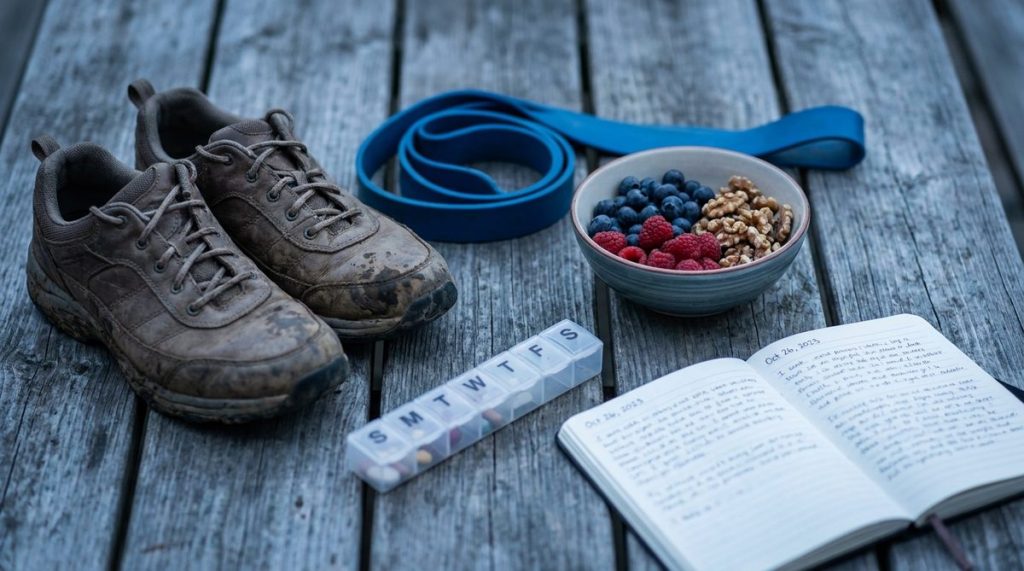
- If you’re sleeping poorly, keep a two-week sleep diary and bring it to your doctor — patterns often reveal fixable causes
- If you’re aging in place, do an honest home safety assessment and explore one new piece of assistive technology this month
The myths about aging and health that I’ve outlined here didn’t develop overnight, and they won’t disappear overnight either. But every patient I’ve ever worked with who challenged these beliefs — who picked up a dumbbell at 78, who got treated for depression at 82, who started a walking group at 70 — has told me some version of the same thing: “I wish I’d known sooner.”
You know now. That’s your advantage. Use it.
About Michael Torres, DPT, Board-Certified Geriatric Specialist
Michael Torres is a Doctor of Physical Therapy and board-certified geriatric clinical specialist with 18 years of experience working with older adults. He has treated thousands of seniors recovering from hip replacements, managing arthritis, rebuilding strength after hospitalizations, and preventing dangerous falls. At Daily Trends Now, Michael writes practical guides on exercises, mobility, pain management, and the physical strategies that help seniors stay strong and independent.