

Key Takeaways
- The average cost of aging in place modifications ranges from $10,000 to over $100,000, depending on home condition and health needs.
- Starting small with safety upgrades like grab bars and lighting can prevent costly emergency renovations later.
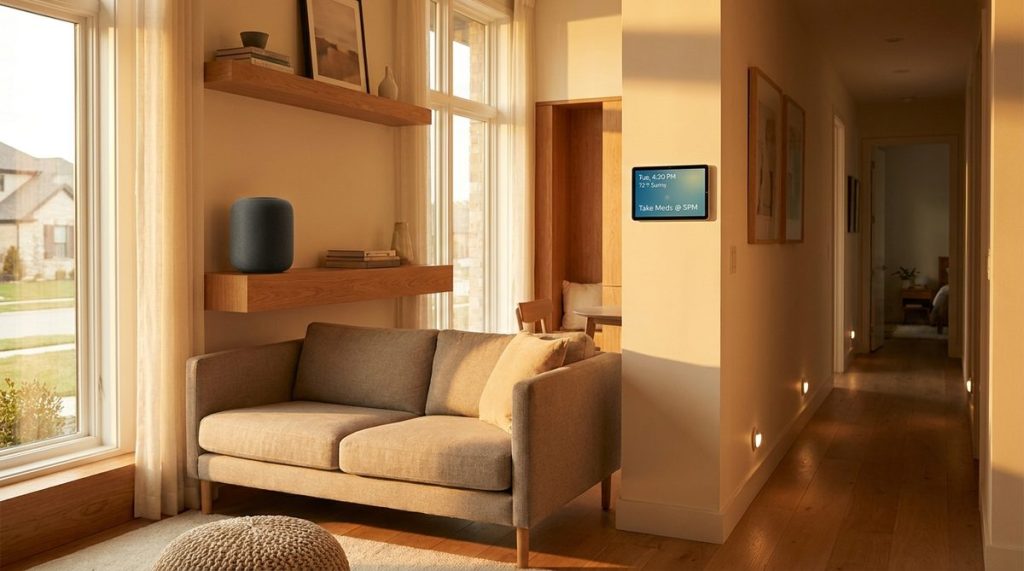
- Technology solutions such as medical alert systems and smart home devices can significantly reduce long-term caregiving expenses.
- Planning and budgeting for aging in place at least 5 to 10 years before retirement leads to dramatically better outcomes.
The $78,000 Surprise Nobody Warned Linda About
Linda Kowalski had lived in her split-level colonial in suburban Cleveland for 34 years. She’d raised two kids there, hosted decades of Thanksgiving dinners in the dining room, and knew every creak in every floorboard. When her husband passed in 2022, her children gently suggested she consider a senior living community. Linda refused. “This is my home,” she told them. “I’m staying.”
What Linda didn’t realize was just how much staying would cost. Within 18 months, she’d spent $78,000—a new walk-in shower after a fall in the tub, a stairlift to reach her bedroom, wider doorways for the walker she now used, and upgraded electrical systems to support the medical equipment her cardiologist required. The number stunned her. She’d budgeted $15,000.
I’ve covered stories like Linda’s for 16 years in lifestyle journalism, and what strikes me every single time is the gap between expectation and reality. Aging in place costs older Americans more than expected—not because the idea is flawed, but because most people start planning far too late and underestimate what “staying home” truly requires.
Why Aging in Place Costs Keep Climbing
According to a 2024 survey by AARP, roughly 77% of adults over 50 want to remain in their current homes as they age. That’s a powerful preference, and it makes sense—home is familiar, comforting, and deeply personal. But wanting to stay and being financially prepared to stay are two very different things.
The National Council on Aging estimates that Americans 65 and older spend an average of $2,000 to $3,500 per month on aging-in-place services when you combine home modifications, in-home care, medical equipment, and increased utility costs. Over a decade, that’s potentially $420,000—a figure that rivals or exceeds many assisted living facilities.
“The biggest misconception I encounter is that aging in place is the ‘free’ option. Your mortgage might be paid off, but your home wasn’t designed for the person you’ll be at 75 or 85. Retrofitting a house for safety, accessibility, and comfort is a major investment—and delaying it almost always makes it more expensive.”
What I see most often is a reactive pattern. Someone falls. Someone gets a diagnosis. And suddenly, a family scrambles to make a home livable under enormous time pressure, paying premium rates for emergency contractors and expedited equipment. Proactive planning changes everything.
The Real Numbers: Breaking Down Aging in Place Costs
Home Modifications
Basic safety modifications—grab bars, non-slip flooring, better lighting—can cost as little as $2,000 to $5,000. But most homes need more than the basics. Bathroom renovations with curbless showers and comfort-height toilets typically run $8,000 to $25,000. Stairlifts cost $3,000 to $15,000 depending on configuration. Widening doorways for wheelchair access averages $1,500 per doorway.
For a comprehensive whole-home retrofit, estimates from the National Association of Home Builders’ Certified Aging-in-Place Specialist (CAPS) program range from $30,000 to $100,000 or more, depending on the home’s age, layout, and the resident’s specific health needs. As I explored in depth in Aging in Place Costs More Than You Think: A Deep Dive, the homes built during the 1960s through 1980s housing boom—precisely where most Boomers live—are among the most expensive to adapt.
In-Home Care and Assistance
The Genworth Cost of Care Survey for 2024 reports that the national median cost of a home health aide is $33 per hour, or roughly $6,000 per month for 40 hours per week. Even part-time help—say, 15 hours weekly for housekeeping, meal prep, and errands—runs about $2,100 monthly. Over five years, that’s $126,000.
These costs are climbing faster than general inflation, too. Between 2019 and 2024, home health aide rates increased approximately 28%, outpacing the consumer price index significantly. If you’re watching your retirement savings carefully—and you should be—understanding how inflation is cutting into retirement savings in 2026 is essential context.
Technology and Medical Equipment
Medical alert systems, smart home sensors, automated medication dispensers, and remote health monitoring platforms have become critical tools for aging safely at home. Monthly subscription costs for these services range from $25 to $150, and the devices themselves can cost $200 to $1,500 upfront. For a deeper look at what’s available, I recommend reading about age tech devices that help seniors age in place safely.
Carol’s Story: The Power of Planning Early
Not every aging-in-place story is a cautionary tale. I spoke with Carol Henning, a 68-year-old retired school principal in Asheville, North Carolina, who started preparing her single-story ranch home when she was 58. “I looked at my parents’ experience,” Carol told me. “My dad broke his hip at 79, and within a week my mom was trying to find contractors, figure out Medicare, and manage his recovery all at once. I decided I wouldn’t put my kids through that.”
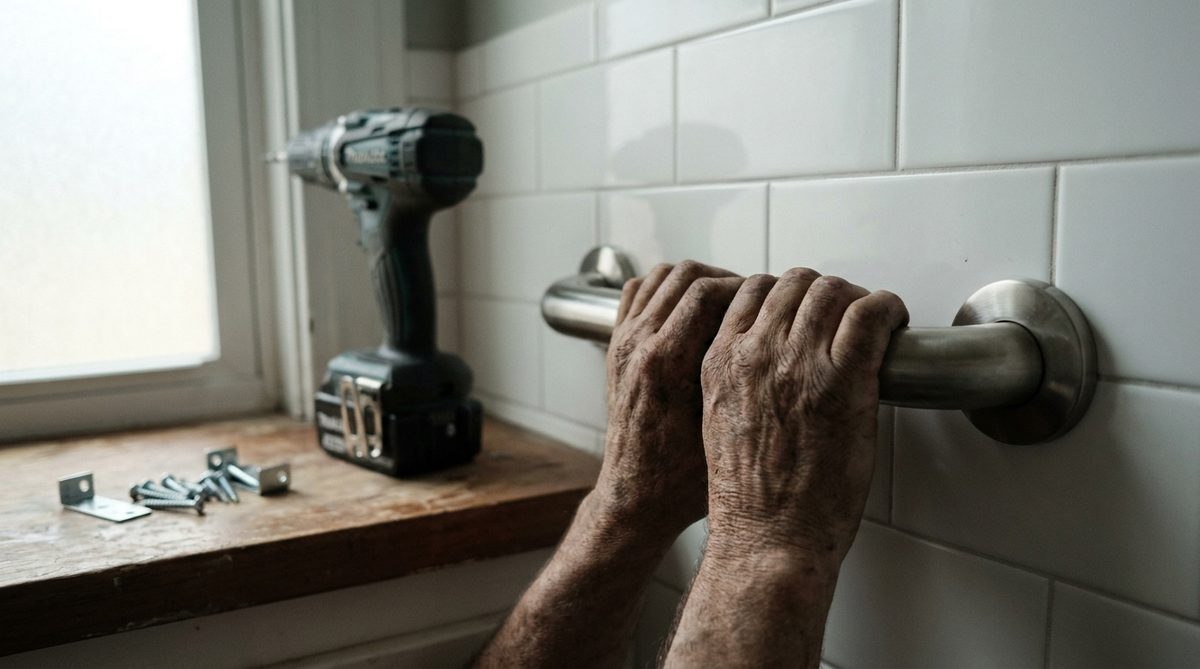
Carol spent roughly $42,000 over eight years—not all at once. She replaced her bathtub with a walk-in shower during a planned bathroom remodel. She installed lever-style door handles throughout the house when she updated the hardware anyway. She added motion-sensor lighting along hallways and stairs. Each project folded aging-in-place features into renovations she would have done regardless.
“The key was spreading it out,” Carol said. “Any single year, I never spent more than $8,000. And most of the changes made my home better right now—not just for some hypothetical future.”
Carol’s approach is what I recommend to every reader who asks me about this topic. In my 16 years covering these stories, the people who fare best are the ones who start before they need to.
A Step-by-Step Action Plan for Aging in Place on a Budget
Whether you’re 52 or 72, there’s a practical path forward. Here’s the approach I’ve refined over years of reporting and interviewing financial planners, occupational therapists, and certified aging-in-place specialists:
- Conduct a home safety assessment now. Many Area Agencies on Aging offer free or low-cost home assessments. An occupational therapist can walk through your home and identify fall risks, accessibility barriers, and future problem areas. The National Institute on Aging also provides a comprehensive home safety checklist you can use on your own.
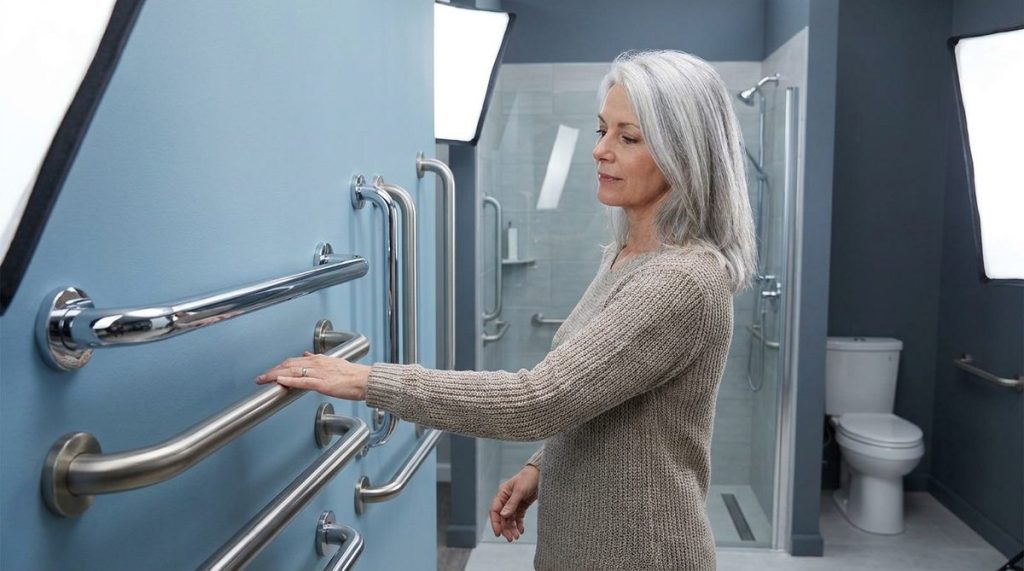
- Prioritize the bathroom and bedroom first. According to the CDC, more than 80% of fall injuries among adults 65 and older happen in the bathroom. Install grab bars near the toilet and in the shower ($50–$200 each professionally installed). Add non-slip mats or textured tile. If your bedroom is upstairs, start planning now for a main-floor sleeping option.
- Create a dedicated aging-in-place savings fund. Even $200 per month set aside in a separate account grows to $24,000 over ten years. Think of it as home maintenance insurance for your future self.
- Upgrade lighting throughout the house. Poor lighting is one of the most overlooked fall risks. Replace dim fixtures with bright LED options, add night lights along pathways to the bathroom, and install motion-sensor lights on porches and in closets. Total cost: typically under $500.
- Research financial assistance programs. Medicaid waiver programs, VA benefits for veterans, USDA Rural Development loans, and state-specific home modification grants can cover significant portions of renovation costs. Many people leave thousands of dollars on the table simply because they don’t apply.
- Build a local support team before you need one. Identify a trusted handyman, a home health agency, a geriatric care manager, and a neighbor willing to check in. Crises are exponentially more expensive and stressful when you’re building this network from scratch.
- Revisit your plan every two years. Health changes. Budgets shift. New technology emerges. What worked at 65 may not work at 73. Schedule a biennial review of your home’s accessibility and your financial projections.
The Hidden Costs Nobody Talks About
Property Taxes and Home Insurance
Your home may be paid off, but property taxes don’t stop. In states like New Jersey, Illinois, and Connecticut, property tax bills for a modest home can exceed $8,000 to $12,000 annually. Home insurance premiums have surged 30% to 50% in disaster-prone states since 2020. These aren’t optional expenses—they’re the price of staying.
Deferred Maintenance
A roof that was “fine” five years ago now leaks. The HVAC system installed in 2005 needs replacing. The driveway has cracks that become trip hazards. Homes age alongside their owners, and deferred maintenance catches up fast. The Harvard Joint Center for Housing Studies found that homeowners 65 and older spend an average of $8,300 annually on home maintenance and repairs—and those with homes built before 1980 spend considerably more.
Social Isolation
This is the cost that doesn’t show up on a spreadsheet but extracts an enormous toll. Aging in place can mean aging alone, especially after a spouse passes or friends move away. The National Institute on Aging has linked prolonged social isolation to increased risks of dementia, heart disease, and depression. Combating isolation might mean budgeting for transportation to social activities, club memberships, or community programs—real line items that matter for health and quality of life.
“Nearly 1 in 4 adults aged 65 and older is socially isolated, according to the National Academies of Sciences. The financial cost of the resulting health consequences—estimated at $6.7 billion in additional Medicare spending annually—dwarfs most home renovation budgets.”
When Aging in Place Isn’t the Right Answer
I often tell my readers something that might sound counterintuitive coming from someone who has championed aging in place for years: sometimes, it’s not the best choice. If your home requires $80,000 or more in modifications, if you’re increasingly isolated, if the neighborhood no longer feels safe, or if your health needs are escalating beyond what in-home care can reasonably manage, exploring other options isn’t failure. It’s wisdom.
A continuing care retirement community, a well-vetted assisted living facility, or even downsizing to a smaller, already-accessible home can be financially smarter and emotionally healthier. The goal was never the house. The goal is living well, safely, and with dignity—wherever that happens.
Making It Work: The Bottom Line
Aging in place costs older Americans more than expected, but it doesn’t have to become a financial crisis. The difference between Linda’s $78,000 shock and Carol’s manageable $42,000 plan came down to one thing: time. Starting early, spreading costs, folding accessibility into routine renovations, and leveraging available financial programs transforms aging in place from a reactive scramble into a deliberate, empowering choice.
Your home tells the story of your life. With the right planning, it can also be where you write the next chapter—safely, comfortably, and on your own terms. But that chapter requires an honest look at the numbers, a willingness to adapt, and the understanding that investing in your home now is really investing in your future independence.
And that, I’ve learned after 16 years of writing about how people navigate this stage of life, is worth every dollar.
Frequently Asked Questions
How much does it really cost to age in place?
Basic home modifications start at $2,000 to $5,000, but comprehensive retrofitting typically ranges from $30,000 to $100,000 or more. When you add in-home care, technology, and ongoing maintenance, total costs can reach $2,000 to $3,500 per month or more over time.
What are the most important home modifications for aging in place?
Bathroom safety upgrades like grab bars and walk-in showers are the top priority since most fall injuries happen there. Other critical modifications include improved lighting, non-slip flooring, lever-style door handles, and main-floor bedroom access.
Does Medicare pay for aging in place home modifications?
Traditional Medicare generally does not cover home modifications. However, some Medicare Advantage plans offer limited home safety benefits. Medicaid waiver programs, VA benefits, and state-specific grants may help cover costs depending on your eligibility.
At what age should I start planning to age in place?
Experts recommend starting at least 5 to 10 years before retirement, ideally in your mid-to-late 50s. Early planning allows you to spread costs over time, fold accessibility features into routine renovations, and avoid expensive emergency modifications later.
Is aging in place cheaper than assisted living?
It depends on your health needs and home condition. For relatively healthy adults with modest modification needs, aging in place can be significantly cheaper. However, for those requiring extensive home renovations and full-time in-home care, assisted living or continuing care communities may actually cost less while providing more comprehensive support.
About Jennifer Adams, 16 Years in Lifestyle Journalism
Jennifer Adams is a lifestyle journalist with 16 years of experience writing about travel, hobbies, relationships, home life, and the art of aging well. She has contributed to national publications focused on the interests and aspirations of adults over 50 — from budget-friendly travel destinations to rediscovering hobbies in retirement. At Daily Trends Now, Jennifer writes warm, practical articles that celebrate life after 50 and help readers make the most of every chapter.