

Key Takeaways
- A 2024 study showed that specific dietary interventions reversed biological age markers in older adults in just four weeks.
- Prioritizing polyphenol-rich foods, adequate protein, and gut-friendly fiber can measurably slow cellular aging.
- Reducing ultra-processed food intake is one of the single most impactful steps seniors can take for longevity.
- Small, sustainable diet shifts—not extreme overhauls—produce the most lasting anti-aging results after 50.
The Science Behind Reversing Biological Age With Food
When a groundbreaking 2024 study out of the Institute for Functional Medicine demonstrated that older adults reversed key biological age markers through a four-week dietary intervention, the nutrition world took notice. As a registered dietitian and nutritional scientist who has spent over 15 years working with adults over 50, I wasn’t surprised. I’ve watched the right food choices transform my clients’ lab work, energy levels, and even their cellular health markers.
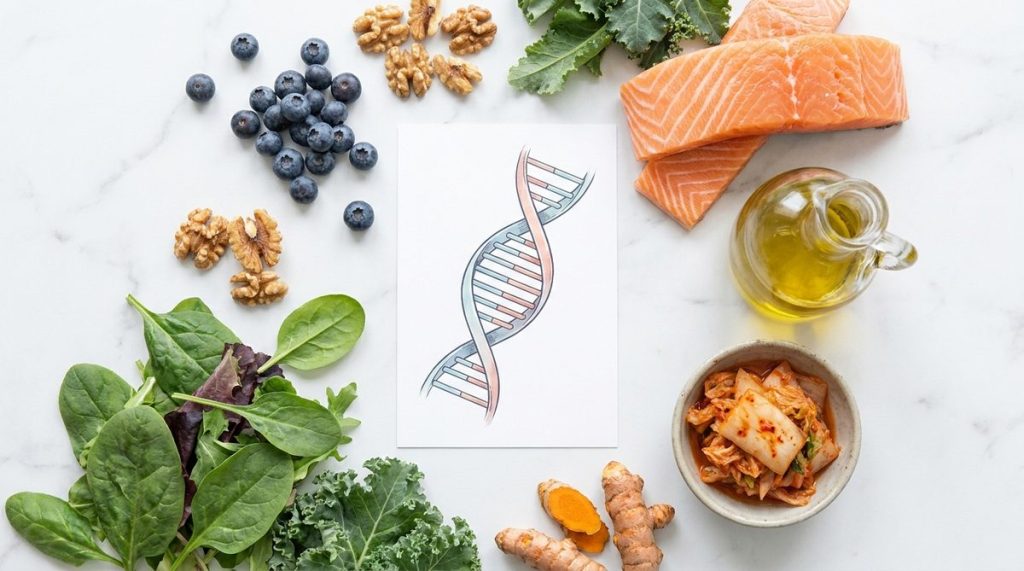
Here’s what excites me most: you don’t need a radical overhaul. The study, which used DNA methylation testing to measure epigenetic age, found that participants who followed a diet rich in specific nutrients actually turned back their biological clocks by an average of 3.23 years. That’s not science fiction—it’s dinner.
If you want to dive deeper into that research, check out this comprehensive breakdown: Reverse Biological Age With Diet: What Seniors Need to Know.
Below, I’m sharing seven specific, evidence-backed diet changes that can help reverse biological age after 50. These aren’t vague suggestions. They’re the exact strategies I use with my clients—and in my own kitchen.
1. Load Up on Polyphenol-Rich Foods Every Single Day
Polyphenols are plant compounds that act as powerful antioxidants and epigenetic modulators. In the biological age reversal study, participants consumed foods high in polyphenols daily—including berries, dark leafy greens, and green tea. These compounds directly influence DNA methylation patterns associated with aging.
What I see most often in my practice is that seniors underestimate how many polyphenol-rich foods they need. A single serving of blueberries at breakfast isn’t enough. Aim for at least five to seven servings of polyphenol-dense foods spread across the day.
Top Polyphenol Sources to Prioritize
- Blueberries, blackberries, and raspberries
- Dark leafy greens (kale, spinach, Swiss chard)
- Green tea and matcha
- Extra virgin olive oil
- Dark chocolate (85% cacao or higher)
- Red onions and purple cabbage
- Turmeric and rosemary
According to the National Institute on Aging, diets rich in colorful plant foods are consistently associated with reduced risk of cognitive decline, cardiovascular disease, and chronic inflammation—all hallmarks of accelerated biological aging.
2. Hit Your Protein Target—It’s Probably Higher Than You Think
After age 50, your body becomes less efficient at using dietary protein to maintain muscle, a phenomenon called anabolic resistance. The result? Accelerated muscle loss (sarcopenia) that ages your body far faster than your birthday suggests.
The current RDA of 0.8 grams of protein per kilogram of body weight was established for baseline needs in younger adults. For older adults, research published in the American Journal of Clinical Nutrition consistently supports a range of 1.0 to 1.2 grams per kilogram—and up to 1.5 g/kg for those who are physically active or recovering from illness.
In my 15 years of experience, I’ve found that most of my clients over 50 are eating roughly half the protein they need. A 150-pound adult should target approximately 68 to 82 grams daily, distributed across three meals. Front-loading protein at breakfast (at least 25-30 grams) is especially effective for stimulating muscle protein synthesis.
Smart Protein Choices for Aging Well
- Wild-caught salmon and sardines (double duty: protein plus omega-3s)
- Eggs (the whole egg—the yolk contains choline, critical for brain health)
- Greek yogurt or skyr
- Legumes and lentils
- Poultry and lean meats
- Tofu and tempeh for plant-based eaters
3. Dramatically Cut Ultra-Processed Foods
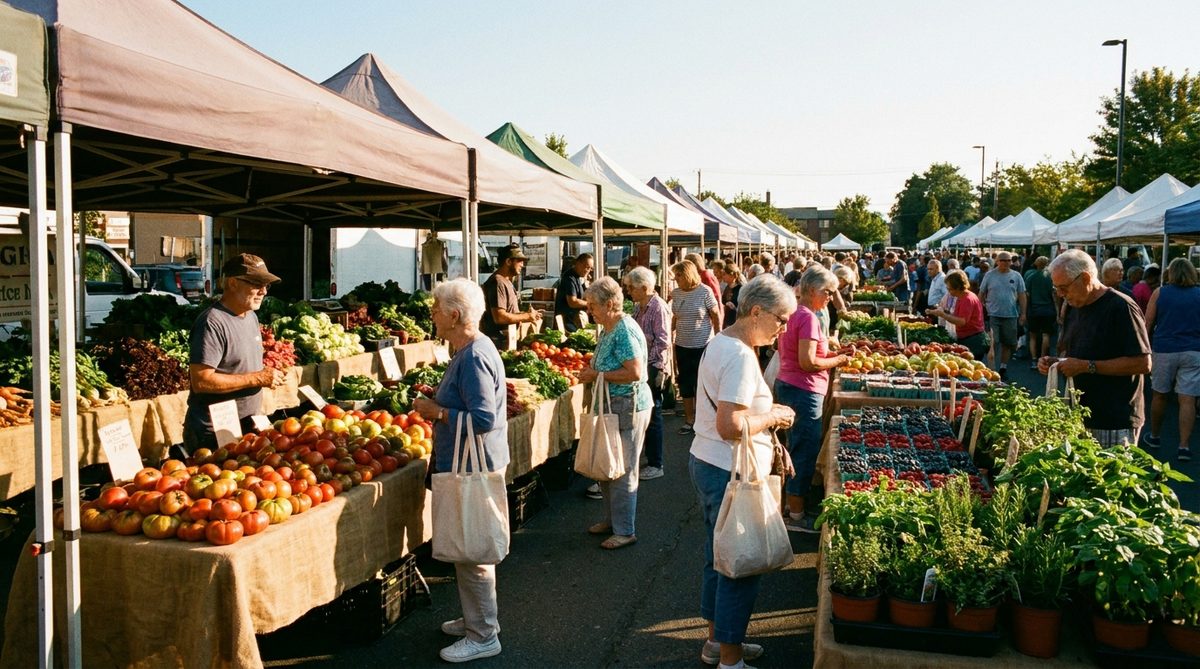
This is the change I push hardest with my clients, and it’s backed by some of the most alarming data in nutrition science. A 2024 analysis in the BMJ involving over 10 million participants found that high ultra-processed food consumption was associated with a 29% increased risk of all-cause mortality, a 40% higher risk of type 2 diabetes, and significantly elevated rates of cardiovascular disease.
Ultra-processed foods—packaged snacks, sugary cereals, frozen dinners, flavored yogurts, most fast food—contain additives, emulsifiers, and refined ingredients that trigger chronic inflammation, disrupt gut microbiome balance, and accelerate epigenetic aging.
I often tell my clients that you don’t need to be perfect. Reducing ultra-processed food intake by even 30-40% can produce measurable improvements in inflammatory markers within weeks. Start by auditing your pantry. If a product has more than five ingredients and includes items you can’t pronounce, it’s likely ultra-processed.
A Simple Swap Framework
- Replace flavored instant oatmeal with plain rolled oats topped with berries and walnuts.
- Swap deli meats for home-roasted chicken breast or canned wild salmon.
- Trade sugary granola bars for a handful of almonds and an apple.
- Ditch bottled salad dressings for a homemade olive oil and lemon vinaigrette.
- Choose plain full-fat yogurt over flavored varieties loaded with added sugar.
4. Feed Your Gut Microbiome Like Your Life Depends on It
Because, increasingly, research suggests it does. The gut microbiome plays a central role in immune function, inflammation regulation, nutrient absorption, and even mood. After 50, microbial diversity tends to decline—and that decline is directly linked to frailty, cognitive deterioration, and accelerated biological aging.
The biological age reversal diet in the landmark study specifically included probiotic-rich foods (like fermented vegetables) and prebiotic fiber. This wasn’t an afterthought; it was central to the protocol.
The Mayo Clinic emphasizes that a diverse, fiber-rich diet is the single most effective strategy for maintaining a healthy gut microbiome as we age. Aim for 25-30 grams of fiber daily from varied sources.
Gut-Friendly Foods to Eat Regularly
- Fermented foods: kimchi, sauerkraut, kefir, miso, plain yogurt with live cultures
- Prebiotic-rich foods: garlic, onions, leeks, asparagus, bananas, oats
- High-fiber legumes: lentils, chickpeas, black beans
- Diverse vegetables: aim for 30 different plant foods per week (a benchmark from the American Gut Project)
One caveat: if you’re currently eating very little fiber, increase gradually over two to three weeks to avoid digestive discomfort. Your gut bacteria need time to adjust.
5. Prioritize Anti-Inflammatory Fats and Ditch the Inflammatory Ones
Chronic low-grade inflammation—sometimes called “inflammaging”—is one of the primary drivers of biological aging. The fats you eat directly influence this process. Omega-3 fatty acids are potent anti-inflammatory agents, while excessive omega-6 fatty acids (found in refined seed oils) and trans fats promote inflammation.
The CDC reports that heart disease remains the leading cause of death for Americans over 65, and dietary fat quality is a modifiable risk factor that too many seniors overlook.
I recommend my clients aim for at least two servings of fatty fish per week (salmon, mackerel, sardines, herring) and use extra virgin olive oil as their primary cooking fat. If you don’t eat fish, a high-quality algae-based omega-3 supplement providing at least 1,000 mg combined EPA and DHA is a reasonable alternative.
Fats to Embrace vs. Fats to Minimize
- Embrace: Extra virgin olive oil, avocados, walnuts, flaxseeds, chia seeds, fatty fish
- Minimize: Soybean oil, corn oil, cottonseed oil, margarine, fried fast food, commercially baked goods
Managing the cost of eating well on a fixed income is a real concern. If rising prices are affecting your grocery budget, understanding how inflation is cutting into retirement savings in 2026 can help you plan smarter.

6. Practice Time-Restricted Eating (But Do It Safely)
Time-restricted eating (TRE)—consuming all your daily food within a consistent 10- to 12-hour window—has shown promising results for metabolic health in older adults. A 2023 study in Cell Metabolism found that a 10-hour eating window improved blood sugar regulation, reduced blood pressure, and decreased markers of oxidative stress in adults over 50.
This is not the same as aggressive fasting. I want to be very clear about that distinction, because I see too many seniors attempting 16:8 or even 20:4 fasting protocols that can lead to muscle loss, nutrient deficiencies, and dangerous blood sugar drops—especially for those on diabetes or blood pressure medications.
A 12-hour overnight fast (say, finishing dinner by 7 PM and eating breakfast at 7 AM) is a gentle, sustainable approach that gives your cells time to perform autophagy—the body’s natural cellular cleanup process—without the risks of prolonged fasting.
Safe Time-Restricted Eating Steps for Seniors
- Consult your physician or dietitian before starting, especially if you take medications that require food timing.
- Begin with a 12-hour eating window and maintain it consistently for two weeks.
- Ensure you’re meeting all protein, fiber, and micronutrient targets within your eating window.
- Stay well-hydrated outside the eating window with water, herbal tea, and black coffee.
- If you feel lightheaded, fatigued, or unusually hungry, widen the window—this should feel manageable, not miserable.
7. Address the Nutrients Most Seniors Are Missing
Even with a solid whole-foods diet, there are specific micronutrient gaps that become more common after 50—and they directly accelerate biological aging. In my practice, I see these deficiencies repeatedly in lab work.
The Critical Four
Vitamin D: An estimated 42% of American adults are vitamin D deficient, according to data from the Nutrition Research journal, and rates are even higher in adults over 65. Vitamin D plays essential roles in bone health, immune function, and inflammation control. Most older adults need 1,000-2,000 IU daily, though your doctor may recommend more based on blood levels.
Vitamin B12: Up to 20% of adults over 60 have low B12 due to decreased stomach acid production. Deficiency leads to fatigue, cognitive fog, and nerve damage. Food sources include eggs, fish, meat, and fortified nutritional yeast, but many seniors benefit from a sublingual B12 supplement.
Magnesium: Involved in over 300 enzymatic reactions, magnesium is chronically under-consumed. Adults over 50 should aim for 320-420 mg daily from foods like pumpkin seeds, dark chocolate, spinach, and almonds—supplementing if dietary intake falls short.
Omega-3 fatty acids (EPA/DHA): As discussed above, most Americans consume far too little. The anti-inflammatory and neuroprotective effects are dose-dependent, and food sources are preferable to supplements when possible.
If you’re looking at ways to stay healthier at home as you age, technology can also play a role. Age tech devices that help seniors age in place safely can complement a strong nutrition strategy by helping you monitor health metrics and stay connected with providers.
Putting It All Together: Your 7-Day Quick-Start Plan
I know seven changes can feel overwhelming, so here’s how I recommend my clients phase these in. Don’t try everything at once. Sustainable change beats dramatic overhauls every time.
- Week 1: Add two extra servings of polyphenol-rich foods daily and audit your pantry for ultra-processed items.
- Week 2: Track your protein intake for three days using a free app like Cronometer. Adjust meals to hit your target.
- Week 3: Introduce one fermented food daily and increase vegetable variety to work toward 30 plant foods per week.
- Week 4: Switch your primary cooking oil to extra virgin olive oil and add two fatty fish meals.
- Week 5: Establish a consistent 12-hour eating window.
- Week 6: Get blood work to check vitamin D, B12, and magnesium levels. Begin targeted supplementation if needed.
- Week 7: Review your progress. Notice energy, sleep quality, digestion, and mood changes.
The Bottom Line: Your Diet Is the Most Powerful Anti-Aging Tool You Own
No cream, procedure, or supplement can match the systemic, cellular-level impact of what you eat every day. The research is unambiguous: strategic dietary changes can reverse biological age after 50—not theoretically, but measurably, in real human beings, in as little as four weeks.
What I always remind my clients is that the goal isn’t perfection. It’s consistency. Every meal is an opportunity to send your cells a signal: repair, protect, renew. You don’t need expensive superfoods or complicated protocols. You need real food, adequate protein, healthy fats, abundant plants, and the willingness to make small changes that compound over time.
There are plenty of outdated beliefs that hold people back from making these changes. If you’ve been told it’s “too late” to improve your health after 60 or 70, I’d encourage you to read about the aging myths that are holding seniors back—and then prove them wrong at your next dinner.
Your biological age is not your chronological age. And with the right food on your plate, the gap between the two can start closing today.
About Dr. Linda Park, PhD, RD (Registered Dietitian)
Dr. Linda Park is a Registered Dietitian with a PhD in Nutritional Science and 15 years of clinical and research experience focused on older adults. She has published peer-reviewed research on the role of nutrition in managing diabetes, cardiovascular health, and cognitive decline in seniors. At Daily Trends Now, Dr. Park writes evidence-based articles on senior nutrition, supplement safety, meal planning, and the foods that truly make a difference for aging well.