


Margaret’s Four-Week Experiment
Margaret Chen, 68, had been my client for nearly three years. She came to me originally with the usual concerns — climbing cholesterol, creeping blood sugar, stiff joints that made her morning walks feel like negotiations with her own body. We’d made solid progress with gradual dietary shifts, but last February she walked into my office with a printout from a news article and a look I’ve come to recognize: equal parts hope and skepticism.
“Dr. Park,” she said, sliding the paper across my desk, “they’re saying scientists reversed biological age in older adults with a 4-week diet change. Is this real, or is this another miracle headline?”
It was a fair question. I’d seen the study she was referencing — a randomized controlled trial published in early 2025 showing that specific dietary interventions could measurably shift epigenetic markers associated with biological aging in adults over 50. The results were striking: participants following the protocol showed an average biological age reduction of roughly two years in just eight weeks, with measurable changes appearing as early as four weeks.
What made Margaret’s question so important — and what makes this topic so relevant for anyone over 50 — is the distinction between hype and actionable science. So I told her what I’m about to tell you: the research is real, it’s promising, and you don’t need a laboratory to start applying its principles today.
Biological Age vs. Chronological Age: Why the Difference Matters
Before we dive into what Margaret did — and what happened — we need to understand what “reversing biological age” actually means. Your chronological age is the number on your driver’s license. Your biological age is the functional age of your cells, tissues, and organ systems, measured through biomarkers like DNA methylation patterns, telomere length, and inflammatory markers.
Two people who are both 65 chronologically can have wildly different biological ages. One might have the cellular profile of a 58-year-old; the other might resemble a 73-year-old internally. According to the National Institute on Aging, biological age is increasingly recognized as a more accurate predictor of disease risk, cognitive decline, and mortality than chronological age alone.
This is the piece that gets lost in headlines. When scientists say they “reversed biological age,” they’re not claiming they turned back the clock on someone’s birthday. They’re saying measurable cellular markers moved in a younger, healthier direction. And that, frankly, is even more exciting — because it means the aging process at the cellular level is more modifiable than we once believed.
The Epigenetic Clock Explained Simply
The tool researchers use most often is called an epigenetic clock — specifically, methods developed by Dr. Steve Horvath at UCLA. These clocks analyze chemical tags on your DNA (methylation patterns) that change predictably with age. When you eat certain foods, manage stress, sleep well, and exercise, some of those tags can actually shift back toward a younger pattern.
In my 15 years of clinical nutrition practice, I’ve watched the science of epigenetics go from abstract laboratory theory to something I can discuss with my clients in concrete, practical terms. That shift has been one of the most exciting developments in nutritional science during my career.
The Study That Changed the Conversation
The research Margaret brought to me built on a landmark 2021 pilot study from the Helfgott Research Institute, later expanded with larger cohorts through 2024 and 2025. The dietary protocol was specific and structured, focusing on foods that influence DNA methylation pathways. Participants ate a diet rich in particular nutrients — folate, betaine, vitamin C, vitamin A, curcumin, and polyphenols — sourced from whole foods rather than supplements.
The study wasn’t about calorie restriction or some exotic superfood. It emphasized foods most Americans already have access to: dark leafy greens, cruciferous vegetables, beets, eggs, liver (for those willing), berries, green tea, and specific herbs like rosemary and turmeric. Participants also consumed probiotic-rich foods daily and limited added sugars, processed foods, and excess alcohol.
The results showed an average 3.23-year reduction in biological age among the treatment group over eight weeks. The control group, eating their usual diet, showed no significant change. If you want a deeper exploration of the original findings and their implications, our earlier coverage breaks it down thoroughly: Scientists Reversed Biological Age With a 4-Week Diet Change.
What Margaret Actually Ate for Four Weeks
After reviewing the research together, Margaret and I designed a personalized version of the study’s dietary protocol. I want to be transparent: we adapted the approach to fit her existing health conditions (pre-diabetes, mild hypertension) and her realistic food preferences. This is what I always tell my clients — the best dietary intervention is one you’ll actually follow.
Here’s the framework we built, and it’s one I’ve since used with dozens of clients over 50:
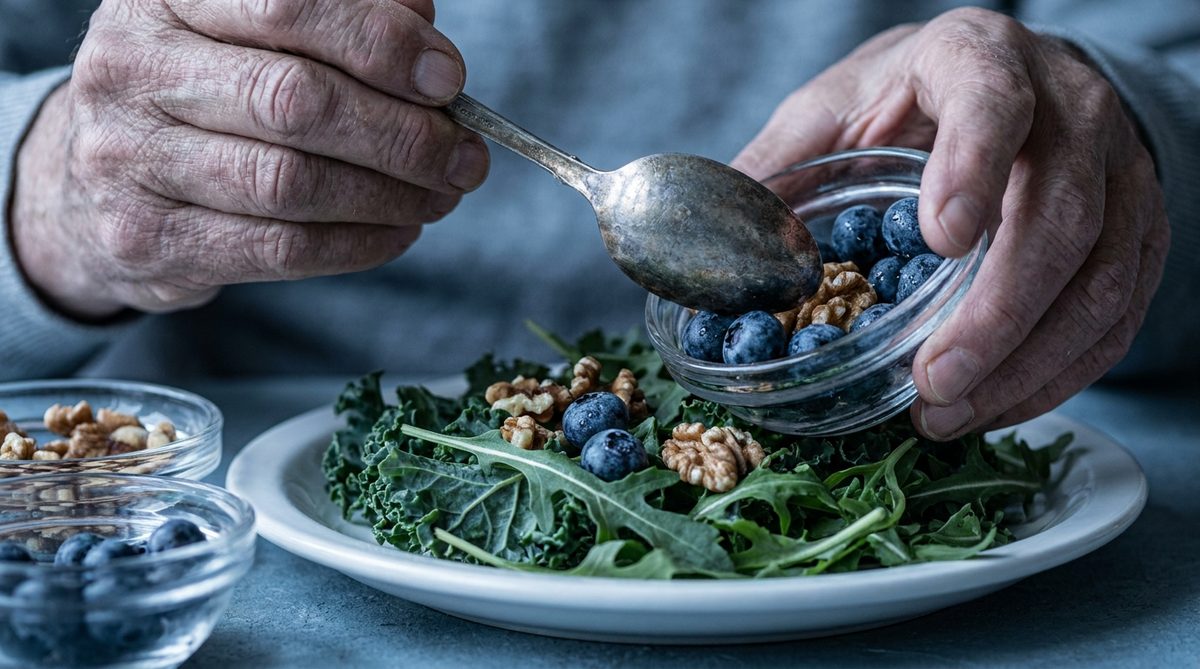
- Three cups of dark leafy greens daily. Margaret rotated between spinach, kale, Swiss chard, and collard greens. These are among the richest food sources of folate and betaine — two nutrients directly involved in DNA methylation. She added them to smoothies in the morning, ate a large salad at lunch, and sautéed greens as a dinner side.
- Two cups of cruciferous vegetables daily. Broccoli, cauliflower, Brussels sprouts, and cabbage contain sulforaphane and other compounds that influence epigenetic expression. Margaret roasted a large batch every three days to keep prep manageable.
- One to two servings of colorful berries daily. Blueberries, strawberries, and blackberries deliver polyphenols and anthocyanins that have demonstrated anti-aging effects at the cellular level. She kept frozen berries on hand — they’re equally nutritious and more budget-friendly, which matters when inflation is cutting into retirement savings.
- Seeds and healthy fats at every meal. Pumpkin seeds, sunflower seeds, flaxseeds, and walnuts provided vitamin E, omega-3 fatty acids, and additional methylation-supporting nutrients. She also used extra-virgin olive oil as her primary cooking fat.
- Two to three servings of probiotic foods daily. Fermented foods like plain yogurt, kefir, sauerkraut, and kimchi support gut microbiome diversity, which emerging research links to biological aging. The Mayo Clinic has highlighted the gut-aging connection as one of the most promising areas of geriatric nutrition research.
- Green tea and rosemary tea. Margaret replaced her afternoon coffee with green tea (rich in EGCG, a potent polyphenol) and brewed rosemary tea in the evenings. Both contain compounds shown to support healthy methylation patterns.
- Strict limits on sugar, processed food, and alcohol. She reduced added sugar to under 15 grams daily, eliminated processed meats and packaged snacks, and limited alcohol to two glasses of red wine per week.
- Adequate protein from clean sources. Wild-caught salmon twice weekly, pastured eggs most mornings, and legumes provided protein without the inflammatory load of heavily processed options.
What She Removed Was Just as Important
I often tell my clients that what you take off the plate matters as much as what you put on it. Margaret stopped buying white bread, switched from flavored yogurts (which can contain 20+ grams of added sugar) to plain, and eliminated the nightly bowl of ice cream that had become her default comfort food. These weren’t punitive restrictions — we replaced each item with something she genuinely enjoyed.
The ice cream became a small bowl of frozen blueberries drizzled with dark chocolate and topped with crushed walnuts. She told me by week two she actually preferred it.
What Happened: Margaret’s Results After Four Weeks
Margaret didn’t get an epigenetic test — those currently run $300 to $500, and insurance rarely covers them. But she did get standard bloodwork at week zero and week four, and the changes were clinically meaningful.
Her fasting blood glucose dropped from 118 mg/dL to 101 mg/dL — moving her from solidly pre-diabetic territory to borderline normal. Her C-reactive protein (CRP), a marker of systemic inflammation, decreased by 34%. Her LDL cholesterol fell 18 points. Her blood pressure, which had been hovering around 142/88, settled to 128/78.
But the numbers only told part of the story. Margaret reported sleeping more deeply, waking with less joint stiffness, and feeling what she described as “mentally sharper — like the fog lifted.” These subjective improvements align with what the research predicts: when you reduce biological age markers, you tend to feel functionally younger, too.
The Science Behind Why This Works
To reverse biological age with diet isn’t magic — it’s biochemistry. The foods in this protocol supply methyl donors (folate, betaine, vitamin B12) that your body uses to maintain healthy DNA methylation patterns. When methylation goes awry — through poor diet, chronic stress, environmental toxins, or simple aging — genes that should stay silent get activated, and protective genes get switched off.
Think of DNA methylation as a dimmer switch system. Healthy methylation keeps inflammation genes turned down and repair genes turned up. The standard American diet — heavy in processed foods, added sugars, and inflammatory fats — pushes those switches in the wrong direction over decades.
What the research shows is that the damage isn’t permanent. With targeted nutritional intervention, some of those switches can be reset. The CDC reports that diet-related chronic diseases account for roughly 90% of the nation’s $4.5 trillion in annual healthcare spending — and that the majority of these conditions are preventable or modifiable through lifestyle changes, especially dietary ones.

Common Mistakes Seniors Make When Trying This Approach
After sharing Margaret’s story at a community health talk last spring, I was flooded with questions from adults over 60 who wanted to try the same approach. What I see most often is people making one of three critical errors.
Mistake 1: Relying on Supplements Instead of Food
A 2024 study in the American Journal of Clinical Nutrition found that while multivitamins may slow biological aging in older adults, the effect was modest compared to whole-food dietary changes. Supplements can fill gaps, but they can’t replicate the synergistic combination of fiber, phytochemicals, and bioactive compounds found in real food. I recommend a food-first approach, with supplements only where specific deficiencies are documented through bloodwork.
Mistake 2: Making Too Many Changes at Once
Overhauling your entire diet overnight is a recipe for burnout. Margaret and I phased changes in over 10 days. Week one focused on adding greens and berries. Week two introduced fermented foods and the tea switch. By week three, we addressed the subtractions — sugar, processed snacks, excess alcohol. This gradual approach is backed by behavioral research showing that habit stacking dramatically improves long-term adherence.
Mistake 3: Ignoring Medications and Interactions
If you’re on blood thinners like warfarin, dramatically increasing your intake of vitamin K-rich greens can interfere with your medication. If you’re on metformin, certain dietary changes affect B12 absorption. Always — and I cannot stress this enough — consult your physician and a registered dietitian before making significant dietary changes, especially if you manage chronic conditions.
Can You Really Afford to Eat This Way?
One of the most frequent objections I hear is cost. And it’s valid — fresh produce, wild-caught fish, and organic options aren’t cheap, particularly when many retirees are already watching every dollar. We’ve covered the broader financial pressures in detail: 5 Biggest Financial Concerns for Retirees in 2026 (And Fixes).
But here’s what I tell my clients: this protocol doesn’t require organic everything or high-end specialty items. Frozen spinach is $1.50 a bag and nutritionally equivalent to fresh. Canned beans cost under a dollar. Eggs remain one of the most affordable nutrient-dense foods on the planet. Green tea bags are a few cents per cup. Margaret estimated her grocery costs increased by about $25 per week — roughly the cost of two restaurant coffees and a muffin.
The far greater cost is doing nothing. Unmanaged chronic inflammation and accelerated biological aging lead to more medications, more doctor visits, more hospitalizations, and ultimately less independence. For anyone concerned about the true costs of aging in place, investing in preventive nutrition is one of the highest-return decisions you can make.
Beyond Food: The Other Pillars That Accelerate Results
Diet is the most powerful lever for influencing DNA methylation, but it doesn’t work in isolation. The same body of research emphasizes several complementary habits that amplify the dietary effects.
Sleep: Adults who sleep fewer than six hours per night show accelerated epigenetic aging. Margaret committed to a consistent 10:30 PM bedtime and eliminated screens after 9:00 PM. Within two weeks, she was sleeping seven hours most nights.
Movement: Moderate exercise — 30 minutes of walking, swimming, or cycling five days a week — has been independently shown to slow biological aging by 1 to 2 years. Margaret already walked daily; we added two sessions of light resistance training with a set of dumbbells at home.
Stress management: Chronic psychological stress accelerates DNA methylation aging. Margaret started a simple 10-minute morning meditation using a free app. She was skeptical at first. By week three, she said it felt “as essential as brushing my teeth.”
Social connection: Loneliness and social isolation are associated with faster biological aging and increased mortality risk comparable to smoking 15 cigarettes a day. Margaret joined a weekly walking group at her local community center — combining movement and connection in one habit.
What This Means for Your Next Doctor’s Visit
If Margaret’s story resonates with you, here’s what I’d suggest as a next step. At your next appointment, ask your doctor about three specific blood tests: fasting glucose, C-reactive protein (CRP), and a comprehensive metabolic panel. These give you a baseline snapshot of inflammation, metabolic health, and organ function. Some forward-thinking clinicians now offer epigenetic age testing, though it’s still largely out-of-pocket.
Then, consider consulting a registered dietitian — ideally one experienced in working with older adults. Many Medicare Advantage plans now cover medical nutrition therapy, and even original Medicare covers it for diabetes and kidney disease diagnoses. The investment in personalized guidance can save you thousands in downstream healthcare costs and, more importantly, years of quality life.
Margaret Today
It’s been five months since Margaret started her modified protocol. She’s maintained about 80% of the dietary changes — she’ll admit the occasional ice cream still happens, and I’ll admit I told her that’s completely fine. Her most recent bloodwork showed sustained improvements across every marker we tracked. Her doctor reduced her blood pressure medication dosage for the first time in six years.
But what Margaret tells me matters most isn’t a number on a lab report. It’s that she played on the floor with her four-year-old grandson last weekend without needing help getting back up. It’s that she drove three hours to visit her sister and arrived feeling energized instead of depleted. It’s that she feels, in her words, “like I got some of my years back.”
That’s what reversing biological age actually looks like in real life. Not a fountain of youth. Not a miracle. Just a woman in her late 60s who decided that what she put on her plate could change what was happening inside her cells — and was right.
Frequently Asked Questions
How quickly can dietary changes affect biological age in older adults?
Research shows measurable changes in DNA methylation markers — the primary indicators of biological age — can appear in as few as four weeks with a targeted dietary protocol. However, most studies track outcomes over eight weeks for statistically significant results. Functional improvements like better sleep, reduced inflammation markers in bloodwork, and improved energy often appear within the first two to three weeks.
Do I need an epigenetic age test to benefit from this diet?
No. While epigenetic age tests (costing $300 to $500) can provide a precise biological age measurement, you can track meaningful progress through standard bloodwork your doctor already orders — particularly fasting glucose, C-reactive protein, lipid panels, and blood pressure. These markers correlate with the same cellular processes that epigenetic clocks measure and are typically covered by insurance.
Is it safe for seniors on multiple medications to make these dietary changes?
Most of these dietary changes are safe for the general population, but specific interactions can occur. High vitamin K intake from leafy greens can interfere with warfarin and other blood thinners. Increased fiber can affect absorption timing of certain medications. Grapefruit and some polyphenol-rich foods interact with statins and calcium channel blockers. Always consult your physician and a registered dietitian before making significant dietary changes if you take prescription medications.
About Dr. Linda Park, PhD, RD (Registered Dietitian)
Dr. Linda Park is a Registered Dietitian with a PhD in Nutritional Science and 15 years of clinical and research experience focused on older adults. She has published peer-reviewed research on the role of nutrition in managing diabetes, cardiovascular health, and cognitive decline in seniors. At Daily Trends Now, Dr. Park writes evidence-based articles on senior nutrition, supplement safety, meal planning, and the foods that truly make a difference for aging well.