

Key Takeaways
- The average aging in place costs for home modifications alone range from $10,000 to $50,000, depending on the scope of changes needed.
- Proactive planning in your 50s and 60s can save tens of thousands compared to making emergency modifications after a fall or health crisis.
- Occupational therapy home assessments, typically $150–$400, can identify the highest-priority changes and prevent unnecessary spending.
- Combining smart home technology, community resources, and phased renovations creates a realistic and affordable aging in place strategy.
Why Aging in Place Costs Catch So Many Retirees Off Guard
Here’s something I’ve learned after 16 years of covering lifestyle and active aging stories: almost nobody budgets for aging in place until they’re already in crisis mode. A fall in the bathroom, a knee replacement that makes stairs impossible, a spouse who suddenly needs a wheelchair—these are the moments when families scramble, overpay, and make decisions they later regret.
According to a 2024 survey by AARP, roughly 77% of adults over 50 want to remain in their current homes as they age. But a striking disconnect exists between that desire and the financial reality. The same research found that fewer than 1 in 5 have actually taken steps to prepare their homes for aging.
The truth about aging in place costs is that they’re not a single line item—they’re an accumulation of modifications, services, maintenance, and technology that can quietly total $50,000, $100,000, or more over a decade. But here’s the encouraging part: with a smart, phased approach, you can dramatically reduce those numbers while creating a home that genuinely supports your independence.
This guide walks you through exactly how to do that.
Step One: Get a Professional Home Assessment
Before you spend a single dollar on renovations, invest in a professional evaluation of your home. This is the step most people skip, and it’s the one that saves the most money in the long run.
Why an Occupational Therapist Is Your Best First Call
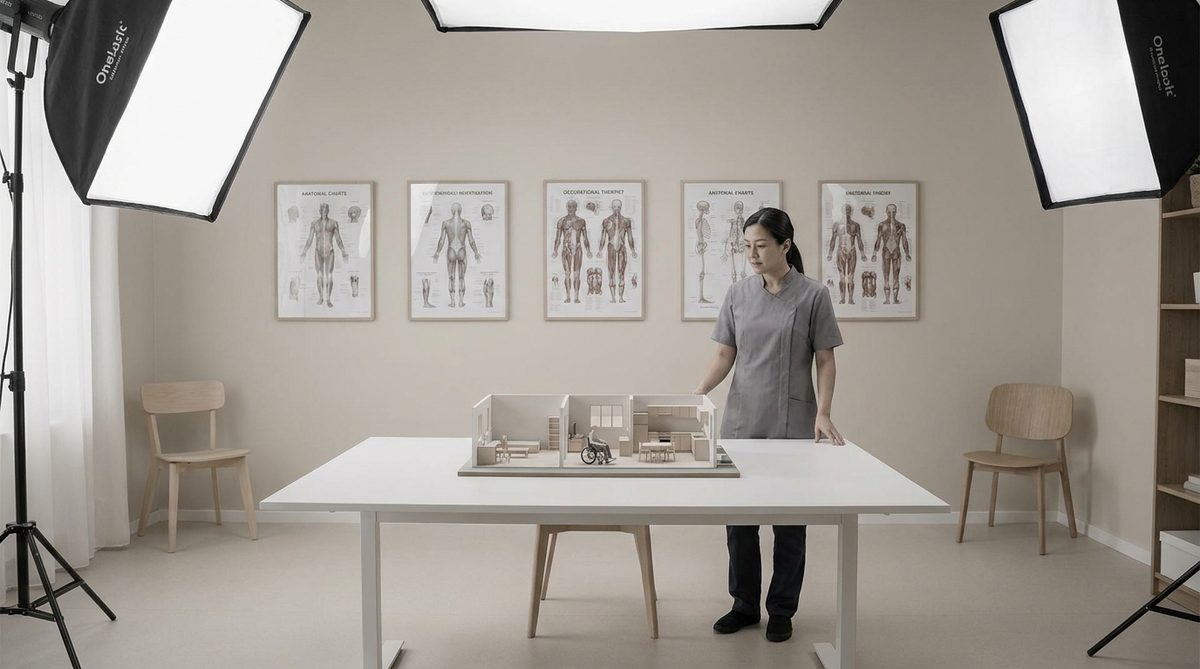
Occupational therapists (OTs) who specialize in home modifications can walk through your house and identify every potential hazard, accessibility barrier, and opportunity for improvement. Unlike a contractor—who may be incentivized to sell you the biggest project possible—an OT focuses on what you actually need based on your health, mobility, and daily routines.
A typical OT home assessment costs between $150 and $400, and many Medicare Advantage plans now cover some portion of this service. The National Institute on Aging recommends these assessments as a frontline strategy for fall prevention, which remains the leading cause of injury-related death for Americans over 65.
What They’ll Evaluate
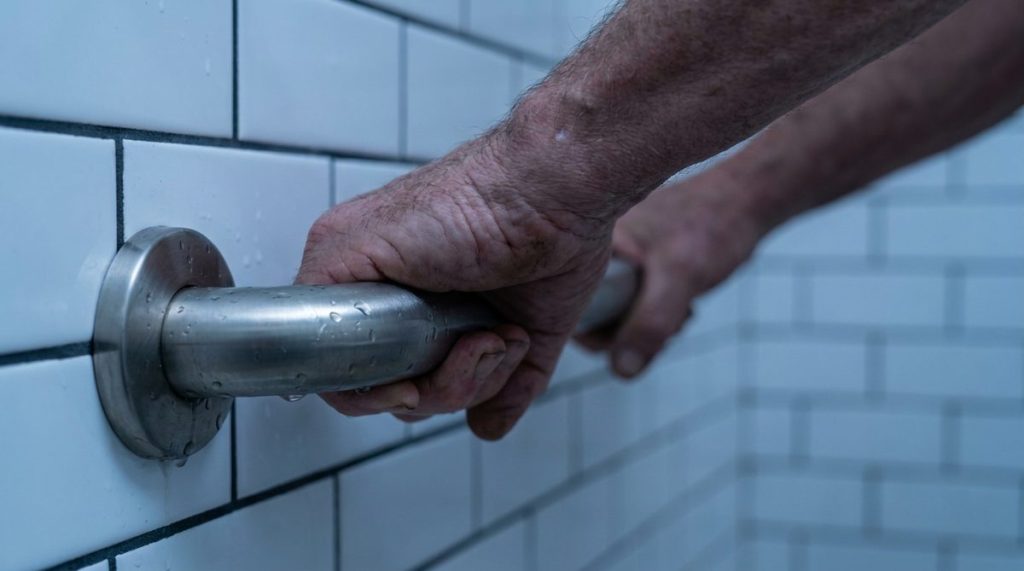
- Bathroom accessibility (the #1 location for in-home falls)
- Stairway safety and whether a main-floor bedroom is feasible
- Kitchen reach zones, counter heights, and appliance placement
- Entryway thresholds, door widths, and ramp needs
- Lighting adequacy throughout the home, especially at night
- Flooring hazards including loose rugs, uneven transitions, and slick surfaces
I often tell readers to think of this assessment like a home inspection before buying a house—except you’re inspecting for the next 20 years of your own life. The report gives you a prioritized action list, which is essential for the next step.
Step Two: Understand the Real Numbers Behind Aging in Place Costs
Let’s get specific about what things actually cost in 2025. One of the biggest problems I see in this space is vague advice. You deserve real numbers so you can plan realistically.
| Modification or Service | Average Cost Range (2025) | Priority Level |
|---|---|---|
| Grab bars (bathroom, 2–4 installed) | $200–$600 | Immediate |
| Walk-in shower conversion | $3,500–$10,000 | High |
| Stairlift installation | $3,000–$8,000 | As needed |
| Wheelchair ramp (exterior) | $1,500–$8,000 | As needed |
| Smart home technology (starter package) | $500–$2,000 | High |
| Main-floor bedroom/bath addition | $25,000–$75,000 | Medium-High |
| Widening doorways (per door) | $500–$2,500 | Medium |
| Non-slip flooring (whole home) | $3,000–$12,000 | High |
| Home care aide (20 hrs/week, annual) | $28,000–$35,000 | Variable |
| Medical alert system (annual) | $300–$600 | Immediate |
When you look at this table, it becomes clear why aging in place costs spiral when everything is done at once. A bathroom remodel, a stairlift, new flooring, and a ramp can easily exceed $30,000 in a single month if you’re reacting to an emergency. But spread over five to ten years of proactive planning? The same improvements become manageable.
And don’t forget the ongoing costs. Home maintenance, lawn care, and housekeeping that you once handled yourself may require paid help as you age. The National Council on Aging estimates that these recurring expenses add $5,000 to $12,000 annually for older homeowners—costs that are rarely factored into retirement budgets.
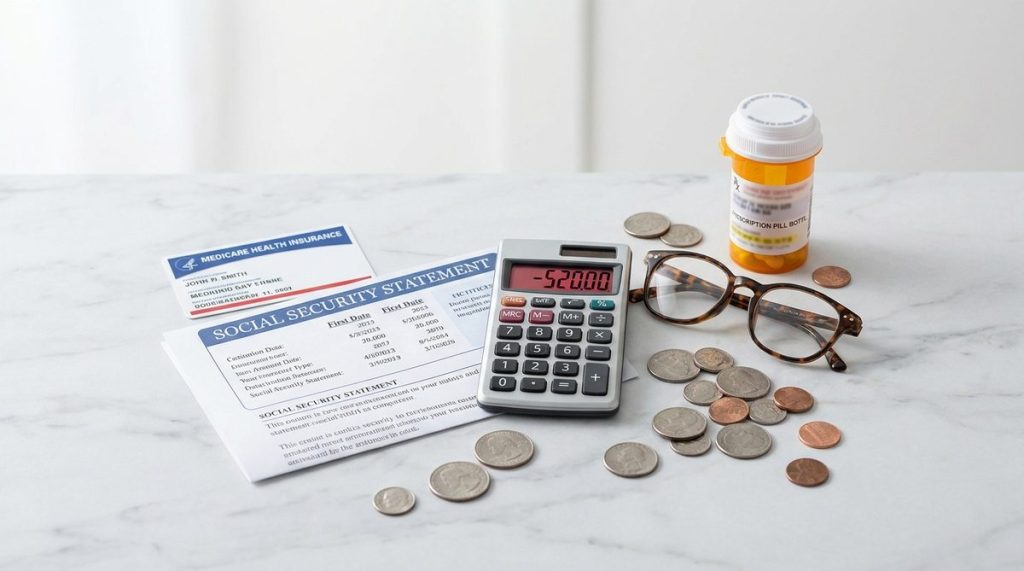
If you’re already feeling the squeeze from rising healthcare premiums, these additional expenses can compound quickly. Understanding how rising Medicare premiums are eating your Social Security check is essential context for building a complete aging-in-place budget.
Step Three: Prioritize by Impact, Not by Trend
Home renovation shows and glossy magazine spreads make it tempting to dream about spa-like accessible bathrooms and chef-grade universal-design kitchens. But in my experience covering this topic since 2009, the modifications that save lives and preserve independence are almost never the glamorous ones.
The “Big Three” That Matter Most
Fall prevention modifications should always come first. The CDC reports that one in four Americans over 65 falls each year, and falls account for over 3 million emergency department visits annually. Grab bars, non-slip flooring, improved lighting, and eliminating tripping hazards like throw rugs are low-cost, high-impact changes.
Bathroom accessibility ranks second. A walk-in shower with a bench seat, a comfort-height toilet, and lever-style faucets can extend your ability to live independently by years. If you can only afford one major renovation in the next five years, make it the bathroom.
First-floor living capability comes third. If your bedroom and only full bathroom are upstairs, creating a main-floor sleeping and bathing option—even a temporary one—gives you a critical safety net for recovery after surgery or during illness.
What Can Wait
- Full kitchen remodels (minor adjustments like pull-out shelves and lever handles are usually sufficient)
- Whole-home smart systems (start with a medical alert and smart doorbell, then expand)
- Exterior hardscaping unless you currently use a mobility device
- Cosmetic upgrades that don’t improve function
There are also plenty of misconceptions about what’s truly necessary versus what’s marketing hype. I’d encourage you to read up on aging in place myths that could cost you thousands before signing any contracts.
Step Four: Explore Every Funding Source Available
One of the most common mistakes I encounter is retirees assuming they have to pay for everything out of pocket. There are more financial assistance options than most people realize, though finding them requires some digging.
Government Programs and Tax Benefits
- Medicaid Home and Community-Based Services (HCBS) Waivers: Available in all 50 states, these waivers can cover home modifications, personal care, and adaptive equipment for qualifying individuals. Eligibility and benefits vary by state.
- VA Aid and Attendance Benefit: Veterans and surviving spouses may qualify for up to $2,431/month (2025 rates) to help cover home care and modifications.
- USDA Rural Development Repair Loans and Grants: Homeowners 62+ in rural areas can receive grants up to $10,000 for home safety repairs.
- Medical Expense Tax Deduction: Home modifications prescribed by a physician for a medical condition may be deductible as medical expenses on your federal return.
Nonprofit and Community Resources
Organizations like Rebuilding Together and local Area Agencies on Aging often provide free or low-cost home modifications for income-qualifying seniors. Your state’s aging services department (find yours through the Eldercare Locator at 1-800-677-1116) can connect you with programs specific to your county.
Some utility companies also offer free home energy audits and weatherization services for older adults, which can reduce your monthly bills—a meaningful contribution to overall aging in place costs.
Step Five: Build a Technology Layer That Actually Helps
Smart home technology for aging in place has exploded in the last three years, and not all of it is worth the investment. What I see most often is retirees either avoiding technology entirely or buying gadgets they never learn to use. Neither extreme serves you well.
Technology Worth the Investment
- Medical alert systems with automatic fall detection ($30–$50/month) — these have a proven track record of reducing time-to-rescue after falls
- Smart door locks with keypad or app entry ($150–$300) — eliminates fumbling with keys and allows remote entry for caregivers
- Video doorbells ($100–$250) — lets you see and speak with visitors without approaching the door
- Voice-activated assistants ($30–$100) — useful for medication reminders, hands-free calling, and controlling lights
- Automatic stove shut-off devices ($100–$400) — a simple device that can prevent a kitchen fire
If technology feels intimidating, you’re not alone—but many of the barriers people perceive aren’t as real as they seem. Take a look at tech myths older adults still believe that hold them back for a reality check that might change your perspective.
Step Six: Don’t Forget the Human Infrastructure
Modifications and technology are only part of the equation. The human support network around you is equally critical—and often more so.
Building Your Support Team
Start assembling a team now, even if you don’t need all of these people yet. Having relationships in place before a crisis means faster, better care when the time comes.
- A trusted general contractor experienced in accessibility modifications (ask for ADA-specific references)
- A geriatric care manager who can coordinate medical, legal, and daily living needs
- A reliable neighbor or nearby friend for daily check-ins (this costs nothing and saves lives)
- A home care agency you’ve vetted in advance, so you’re not choosing one from a hospital bed
- An estate planning attorney who understands healthcare directives and long-term care planning
The Role of Community
Social isolation is one of the most dangerous—and underestimated—risks of aging in place. Research from the National Academies of Sciences, Engineering, and Medicine shows that social isolation increases the risk of premature death by 26% and is comparable to smoking 15 cigarettes a day in its health effects.
Aging in place doesn’t mean aging alone. Village-to-Village networks, senior center programs, faith community outreach, and even organized hobby groups can provide the regular human contact that keeps you healthier and sharper. Physical and mental wellness are deeply connected to how well you age overall, which is why I always recommend reviewing the 6 pillars of healthy aging after 60 that experts swear by.
Step Seven: Create a Phased Timeline and Revisit It Annually
The most effective aging in place strategy I’ve seen over my career isn’t a one-time project—it’s an ongoing plan with a built-in review cycle.
A Realistic Phased Approach
Ages 50–60: Get your home assessment. Install grab bars, improve lighting, address tripping hazards, and set up a medical alert system. Total estimated investment: $1,000–$3,000. This is also the ideal time to review your long-term care insurance options, as premiums increase dramatically after 60.
Ages 60–70: Tackle the bathroom conversion and flooring upgrades. Add smart home basics. Investigate first-floor living options if your home is multi-story. Total estimated investment: $10,000–$25,000, spread over the decade.
Ages 70–80: Evaluate whether a stairlift, ramp, or more significant structural change is needed. Begin establishing relationships with home care providers. Consider whether a home care aide for specific tasks (meal prep, transportation, housekeeping) would extend your independence. Ongoing annual cost: $5,000–$35,000 depending on care needs.
Ages 80+: Reassess annually with your OT and physician. Your needs at 82 may be very different from your needs at 78. Stay flexible and willing to adjust the plan.
The Annual Review
Every January—or whatever month works for you—walk through your home with fresh eyes. Ask yourself: Has anything changed about my mobility, vision, or balance? Are there new hazards? Is my support network still intact? This 30-minute annual habit can catch problems before they become emergencies.
The Bottom Line on Aging in Place Costs
Aging in place costs are real, and they’re higher than most people expect. But they don’t have to be devastating. The difference between a $100,000 crisis and a $30,000 planned investment often comes down to timing, prioritization, and knowing where to find help.
In my 16 years of covering this topic, the retirees who fare best aren’t the ones with the biggest budgets. They’re the ones who started planning early, made smart choices about what to prioritize, and built a community around themselves that goes beyond four walls and a roof.
Your home can be your greatest asset in retirement—not just financially, but as the place where you live your fullest, most independent life. Start with one step today, and the rest will follow.
Frequently Asked Questions
What is the average total cost of aging in place over 10 years?
Estimates vary widely, but most financial planners suggest budgeting $50,000 to $150,000 over a decade when you factor in home modifications, ongoing maintenance, potential home care assistance, and technology. Starting modifications early and phasing them over time significantly reduces the total.
Does Medicare cover home modifications for aging in place?
Original Medicare (Parts A and B) generally does not cover home modifications like ramps or grab bars. However, some Medicare Advantage plans include supplemental benefits for home safety modifications, and Medicaid HCBS waivers in many states can cover qualifying changes. Always check your specific plan and state programs.
At what age should I start making my home age-friendly?
Experts recommend beginning assessments and low-cost modifications like grab bars, improved lighting, and tripping hazard removal in your 50s. Starting early allows you to spread larger expenses over time and ensures your home is safe before a health event forces rushed, expensive decisions.
Is aging in place cheaper than moving to assisted living?
It depends on your care needs. For healthy, independent adults, aging in place is typically less expensive—averaging $2,000 to $4,000 per month in combined costs versus $4,500 to $7,000 per month for assisted living. However, if you need 24/7 care, in-home services can exceed the cost of a facility. A geriatric care manager can help you compare options specific to your situation.
About Jennifer Adams, 16 Years in Lifestyle Journalism
Jennifer Adams is a lifestyle journalist with 16 years of experience writing about travel, hobbies, relationships, home life, and the art of aging well. She has contributed to national publications focused on the interests and aspirations of adults over 50 — from budget-friendly travel destinations to rediscovering hobbies in retirement. At Daily Trends Now, Jennifer writes warm, practical articles that celebrate life after 50 and help readers make the most of every chapter.