

Key Takeaways
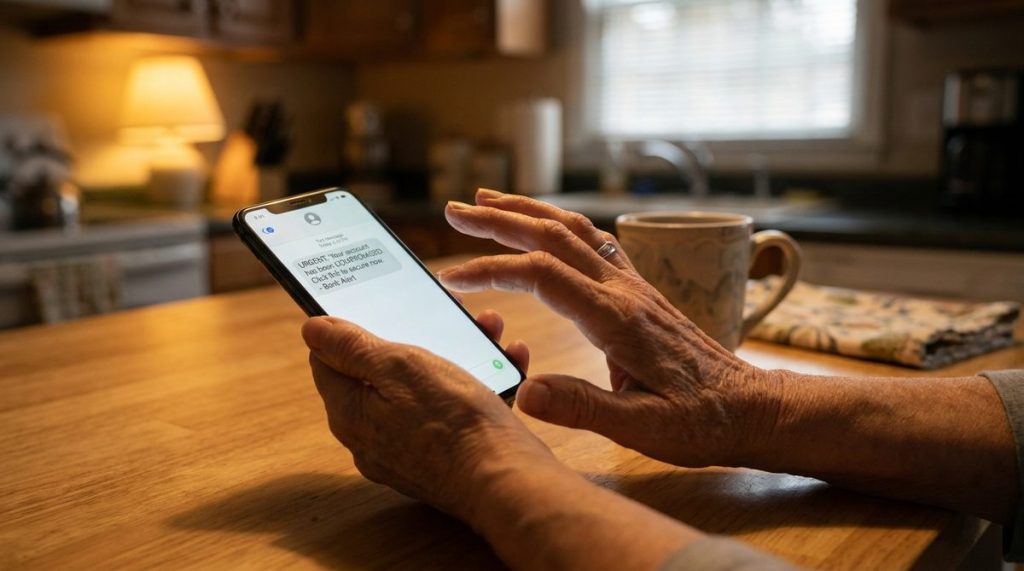
- Americans over 60 lost $3.4 billion to reported cyber fraud in 2023, but the true figure including unreported losses may exceed $28 billion annually.
- The Bermuda Dunes tragedy underscores how online scams can escalate from financial theft to fatal real-world consequences for older adults.
- Free digital tools like credit freezes, call-blocking apps, and password managers provide powerful protection that most seniors haven't activated yet.
- Isolation is the single greatest risk factor for financial exploitation — technology that connects you to family and community is itself a defense.
A $28 Billion Crisis Hiding in Plain Sight
Here’s a number that should stop you cold: Americans over 60 reported losing $3.4 billion to online fraud in 2023, according to the FBI’s Internet Crime Complaint Center. That figure alone represents a 11% increase from 2022. But the truly alarming part? The FBI estimates that only about 1 in 5 elder fraud victims ever files a report.
When you account for unreported cases, researchers at the AARP Public Policy Institute estimate the total annual cost of financial exploitation of older Americans reaches somewhere between $12.5 billion and $28.3 billion. In my 14 years of cybersecurity research, I’ve watched this crisis metastasize from an occasional phishing email into an industrialized global enterprise — and the people I talk to most, adults over 50 who are building digital confidence, are squarely in the crosshairs.
This isn’t a scare piece. I’m writing this because understanding how these scams work — mechanically, psychologically, financially — is the single most effective defense. And because a recent tragedy in Bermuda Dunes, California, reminded all of us that the stakes can extend far beyond money.
The Bermuda Dunes Wake-Up Call
In early 2025, an elderly couple was found dead in their Bermuda Dunes home. As details emerged, friends and investigators revealed that the wife had been targeted by an online scam. While the full circumstances remain under investigation, people close to the couple described a pattern I’ve seen devastate families across the country: shame, secrecy, escalating financial loss, and a deepening isolation that made intervention nearly impossible.
A longtime friend of the couple publicly warned others, saying the wife had been manipulated over time by someone she believed was trustworthy. This is not a story about carelessness. It’s a story about sophisticated criminal psychology deployed against a decent person.
What I see most often in my research and consulting work is this: the victims of elder financial scams are not gullible. They’re frequently well-educated, financially comfortable, and socially engaged — until the scam slowly severs those connections. Understanding this pattern is critical if you or someone you love is over 50 and active online.
The Top 5 Financial Scams Targeting Older Adults in 2025
Based on FBI IC3 data, FTC Consumer Advice reports, and my own analysis of active threat campaigns, here are the five fraud categories doing the most damage to Americans over 60 right now.
1. Romance and Confidence Scams
Total reported losses for adults 60+ exceeded $356 million in 2023 alone. These scams begin on dating apps, Facebook, or even Words With Friends. The criminal builds a relationship over weeks or months, then introduces a financial “crisis.” What makes these devastating isn’t the initial contact — it’s the long grooming period that creates genuine emotional attachment.
The Bermuda Dunes case appears to follow this broad pattern. Victims often transfer money through cryptocurrency, gift cards, or wire transfers — methods chosen specifically because they’re difficult to reverse or trace.
2. Tech Support Fraud
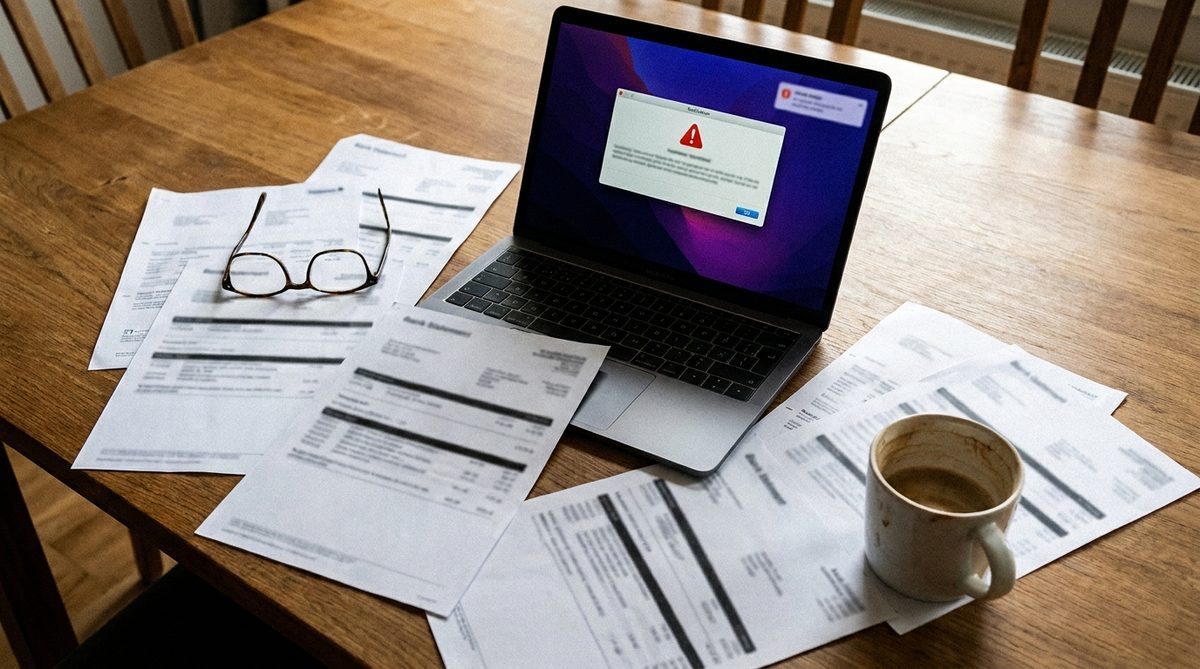
A pop-up warns that your computer is infected. A phone number connects you to a “Microsoft” or “Apple” technician who requests remote access. In 2023, tech support scams cost older Americans over $590 million in reported losses — making it the single costliest category for this age group. I often tell my clients: no legitimate technology company will ever contact you through a browser pop-up or demand remote access to your machine.
3. Government Impersonation
Callers posing as Social Security Administration, IRS, or Medicare representatives threaten arrest, benefit suspension, or legal action unless you make an immediate payment. The FTC received over 330,000 government impersonation reports in 2023. These scams exploit a generational respect for institutions — something criminals deliberately weaponize. If you’re concerned about your Social Security benefits, get the facts from reliable sources rather than reacting to pressure calls. Our coverage of 5 Social Security COLA Myths Seniors Must Stop Believing separates real policy from the kind of misinformation scammers exploit.
4. Investment and Cryptocurrency Fraud
Older adults lost over $1.2 billion to investment fraud in 2023, with cryptocurrency schemes leading the category. These scams often begin as one of the other types — a romance scam pivots to a “guaranteed” crypto investment, or a tech support scam reveals a “compromised” brokerage account. The convergence of scam types is one of the most dangerous trends I’m tracking.
5. Lottery, Sweepstakes, and Inheritance Scams
“You’ve won, but you need to pay the taxes first.” This classic scheme still works. Reported losses for adults 60+ topped $149 million in 2023. Modern versions arrive via email, text, and even physical mail designed to look official.

How the Numbers Break Down: A Comparative Look
To put these scam categories in perspective, here’s a comparison of their scale, typical contact method, and average individual loss based on 2023 FBI IC3 and FTC data for victims aged 60 and over:
| Scam Type | Total Reported Losses (60+) | Primary Contact Method | Avg. Individual Loss | Recovery Rate |
|---|---|---|---|---|
| Tech Support Fraud | $590 million | Browser pop-ups, phone calls | $14,000–$33,000 | Very low (~5%) |
| Romance/Confidence Scams | $356 million | Social media, dating apps | $9,000–$50,000+ | Extremely low (~3%) |
| Investment/Crypto Fraud | $1.2 billion | Social media, messaging apps | $50,000–$100,000+ | Near zero for crypto |
| Government Impersonation | $178 million | Phone calls, email | $3,000–$8,000 | Low (~10%) |
| Lottery/Sweepstakes | $149 million | Email, phone, physical mail | $5,000–$15,000 | Low (~7%) |
The recovery rates tell the real story. Once money leaves your account — especially through wire transfers, gift cards, or cryptocurrency — the chances of getting it back are in the single digits. Prevention isn’t just the best strategy. For all practical purposes, it’s the only strategy.
Why Older Adults Are Targeted: It’s Not What You Think
Let me be direct about something: the “vulnerable elderly victim” stereotype is both inaccurate and harmful. Here’s what the research actually shows.
It’s About Assets, Not Naivety
Adults over 60 control approximately 70% of all U.S. household wealth. Criminals follow the money. A 65-year-old retiree with a paid-off house, a pension, and a 401(k) represents a vastly more profitable target than a 30-year-old with student debt. Scammers aren’t exploiting stupidity — they’re exploiting prosperity.
Digital Adoption Is Surging Without Matching Security Education
Pew Research Center data shows that smartphone ownership among Americans 65+ jumped from 18% in 2013 to 76% in 2024. Tablet use, smart speaker adoption, and social media participation have all followed similar curves. This is overwhelmingly positive — technology keeps people connected, informed, and independent. But the cybersecurity education hasn’t kept pace with the adoption curve.
If you’re exploring smart home technology to maintain independence as you age, that’s a wise investment. Just be sure you’re pairing the hardware with security fundamentals. Our guide to Age Tech for Seniors: Devices That Help You Age in Place covers the devices worth considering, and the security tips below will help you use them safely.
Isolation Is the Master Vulnerability
Every forensic case study I’ve reviewed shares a common thread: the scam succeeds when the victim becomes isolated from people who might intervene. Romance scammers explicitly instruct victims not to tell family. Tech support fraudsters create urgency that prevents consultation. The Dutch National Police recently demonstrated the power of community accountability when their “shame campaign” against wanted scammers led to a dramatic increase in tips and arrests — proof that connection and visibility are the enemies of fraud.
Digital Tools That Actually Protect You
I’m a cybersecurity researcher, so naturally I believe in technological solutions. But I also know that the most effective tools are worthless if they’re confusing or inconvenient. Here are the defenses I recommend to every person over 50 — prioritized by impact and ease of use.
Credit Freezes: Free and Devastatingly Effective
A credit freeze at all three bureaus (Equifax, Experian, TransUnion) prevents anyone from opening new accounts in your name. It’s free, it takes about 10 minutes per bureau, and you can temporarily lift it when you legitimately need credit. The FTC’s consumer guide walks you through the process step by step. In my professional opinion, this is the single highest-impact action any adult can take, regardless of age.
Call-Blocking and Spam-Filtering Apps
The FTC reported 2.6 million fraud reports initiated by phone calls in 2023. Modern call-blocking tools like the built-in “Silence Unknown Callers” feature on iPhone or Google’s Call Screen on Pixel and Android phones can eliminate the vast majority of scam calls before they reach you.
- iPhone users: Go to Settings → Phone → Silence Unknown Callers. Calls from numbers not in your contacts go straight to voicemail.
- Android users: Open the Phone app → Settings → Caller ID & Spam → Turn on “Filter spam calls.”
- Landline users: Contact your carrier about Nomorobo or similar services. Many are free for landlines.
Password Managers: The Tool I Wish Everyone Would Adopt
I cannot overstate this: reusing passwords across sites is the #1 way accounts get compromised. A password manager (I typically recommend Bitwarden for its free tier, or 1Password for its family-friendly design) generates and stores unique passwords for every site. You remember one master password. The manager handles the rest.
Consumer Reports has published excellent independent evaluations of password managers, with specific attention to ease of use — an important factor for anyone who isn’t interested in wrestling with complicated software.
Two-Factor Authentication (2FA)
After passwords, enabling 2FA on your email, bank, and social media accounts is the most protective step available. When someone tries to log into your account, they’ll also need a code sent to your phone. Even if a scammer has your password, they can’t get in without physical access to your device.
- Enable 2FA on your email first — your email account is the skeleton key to your digital life because password resets for other services route through it.
- Use an authenticator app (Google Authenticator or Microsoft Authenticator) rather than SMS codes when possible. SIM-swapping attacks can intercept text messages.
- Keep backup codes printed and stored in a safe place, in case you lose your phone.
The Human Firewall: Strategies Beyond Technology
Tools matter. But in my experience consulting on hundreds of fraud cases, the human element is where most defenses succeed or fail. Here’s what I recommend beyond software and settings.
The 24-Hour Rule
Any legitimate financial transaction can wait 24 hours. Any request that can’t wait is, by definition, suspicious. I tell every client: if someone is pressuring you to act immediately — whether they claim to be from the IRS, your bank, a love interest in crisis, or a grandchild in jail — hang up, close the browser, and call someone you trust. Then verify independently using a number you look up yourself, never one provided by the caller.
Establish a “Financial Buddy” System
This is the recommendation I feel most strongly about. Choose someone — a family member, a trusted friend, an attorney, a financial advisor — and agree that any transaction over a certain amount (say, $500) gets a second opinion first. This isn’t about surrendering control. It’s about building in a circuit breaker that scammers cannot bypass.
The reason isolation is so effective for criminals is precisely because a second pair of eyes would catch the fraud immediately. A financial buddy system eliminates that vulnerability without sacrificing your independence.
Monitor Statements Weekly, Not Monthly
Many older adults still review bank and credit card statements once a month when the paper statement arrives. By then, fraudulent charges can be 30 days old, often past the easy dispute window. Set a weekly calendar reminder to log in and review transactions. If you see anything unfamiliar — even a small charge of $1 or $2 — investigate immediately. Scammers frequently test accounts with micro-transactions before making large withdrawals.
What to Do If You or Someone You Know Has Been Targeted
Shame keeps people silent, and silence keeps the money gone. If you or someone you care about has been scammed, here’s what needs to happen — fast.
- Contact your bank or credit card company immediately. Some transactions can be reversed if reported within 24–48 hours.
- File a report with the FBI’s Internet Crime Complaint Center (IC3) at ic3.gov. This creates a federal record and may help recovery efforts.
- Report to the FTC at ReportFraud.ftc.gov. The FTC uses these reports to identify trends and take enforcement action.
- File a report with CISA if the scam involved a phishing email, malicious website, or ransomware. CISA coordinates national cybersecurity defense and tracks active threats.
- Tell someone you trust. This is not optional. Scammers count on silence. Breaking that silence is the first step toward both practical recovery and emotional healing.
I also want to address the emotional aftermath directly: fraud victimization in older adults is associated with depression, anxiety, and a measurable decline in physical health, according to research published in the Journal of General Internal Medicine. Taking care of your mental and physical health after a scam is just as important as the financial recovery. Our piece on Healthy Aging After 50: A Dietitian’s Guide to Thriving is a good starting point for the holistic self-care that supports resilience.
The Bigger Picture: Technology Is Still Your Ally
I want to end with something I feel strongly about, because I worry that articles about financial scams targeting older adults sometimes leave readers afraid of technology itself. That would be the wrong takeaway.
The same smartphone that a scammer might use to contact you is also the device that lets you video-call grandchildren, manage medications, monitor your health, control smart home devices, and — critically — verify suspicious claims in real time. Technology adoption among older adults is surging, and the benefits to independence, cognitive health, and social connection are well-documented.
The goal isn’t to retreat from digital life. The goal is to engage with it on your terms, with the right defenses in place. A credit freeze takes ten minutes. A password manager takes an afternoon to set up. Silencing unknown callers takes thirty seconds. These small investments in security pay dividends for years.
In my 14 years studying digital threats, the most resilient people I’ve encountered aren’t the ones who avoid technology — they’re the ones who learned how it works just well enough to spot when something doesn’t add up. That knowledge, combined with a trusted person to call when something feels off, is a defense no scammer can crack.
The criminals behind these operations are organized, funded, and persistent. But they’re also predictable. They rely on the same playbook — urgency, isolation, shame, and secrecy — in nearly every case. Once you recognize that playbook, you’ve already won half the battle. Arm yourself with the tools, trust your instincts, and stay connected to the people who care about you. That combination is more powerful than any scam operation on earth.
About Dr. Priya Sharma, PhD in Computer Science, CISSP
Dr. Priya Sharma is a cybersecurity expert with a PhD in Computer Science and a Certified Information Systems Security Professional (CISSP) credential. She has spent 14 years researching digital privacy, online fraud, and data protection — with a particular focus on the risks facing older internet users. At Daily Trends Now, Dr. Sharma writes about online scams, password security, smartphone privacy, and the practical steps readers can take to stay safe in an increasingly connected world.