

The Phone Call That Changed Everything
Margaret called me on a Tuesday afternoon in March. She was 67, recently retired from teaching high school biology, and for the first time in her life, she felt lost — not emotionally, but physically. Her doctor had just told her she was pre-diabetic, her blood pressure was creeping up, and her bone density scan showed the early stages of osteopenia. “I thought I was doing everything right,” she said, her voice cracking slightly. “I walk my dog. I eat salads. How did I get here?”
In my 15 years as a registered dietitian and nutritional scientist, Margaret’s story is one I’ve heard hundreds of times. The details change — sometimes it’s a man in his late 50s blindsided by a cholesterol report, sometimes it’s a 72-year-old woman who tripped on a curb and fractured her wrist — but the underlying theme is always the same. People assume that healthy aging is something that just happens if you avoid the obviously bad stuff. The truth is far more nuanced, and far more empowering.
Healthy aging — defined by the National Institute on Aging as maintaining functional ability, independence, and quality of life as you grow older — doesn’t require perfection. It requires intention. And the science we have in 2025 gives us a clearer roadmap than ever before.
Why “Eating Salads” Wasn’t Enough for Margaret
When I sat down with Margaret for her first nutrition consultation, I asked her to walk me through a typical day of eating. Breakfast was black coffee and a granola bar. Lunch was that salad she was so proud of — iceberg lettuce, a handful of croutons, fat-free ranch dressing. Dinner was usually a frozen meal or pasta with jarred sauce. Snacks were pretzels or crackers.
On paper, she wasn’t “eating badly.” But she was profoundly under-nourished in the areas that matter most after 50. Her protein intake was barely 35 grams a day — less than half of what I recommend for women her age. Her calcium and vitamin D intake were negligible. She was getting almost no omega-3 fatty acids, minimal fiber from diverse plant sources, and her diet was heavy in refined carbohydrates that were silently driving her blood sugar upward.
What I see most often in my practice is this exact pattern: seniors who eat regularly but eat poorly, not out of laziness or ignorance, but because nobody ever told them that nutritional needs shift dramatically after 50. Your body at 65 is not the body you had at 35, and it shouldn’t be fed the same way.
The Nutritional Shifts That Matter After 50
Protein: The Most Under-Consumed Nutrient in Older Adults
After age 50, you begin losing muscle mass at a rate of roughly 1-2% per year — a process called sarcopenia. By 80, up to 30% of your muscle mass can be gone. According to the CDC, falls are the leading cause of injury-related death among adults 65 and older, and a major driver of those falls is muscle weakness.
The current Recommended Dietary Allowance (RDA) for protein is 0.8 grams per kilogram of body weight, but a growing body of research — including a landmark 2023 meta-analysis published in the American Journal of Clinical Nutrition — suggests that older adults need 1.0 to 1.2 grams per kilogram to maintain muscle mass and function. For a 150-pound woman like Margaret, that’s roughly 68 to 82 grams of protein per day.
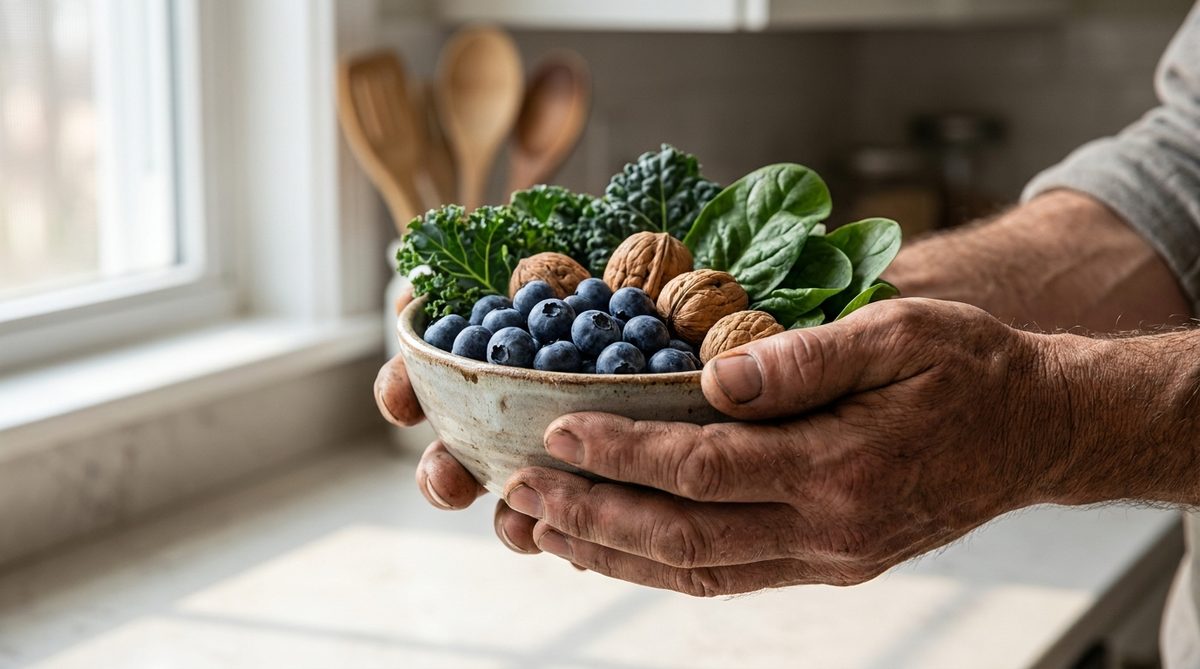
I often tell my clients to think of protein as a “use it or lose it” nutrient. Your body can only absorb and utilize about 25-30 grams of protein at a time, so spacing intake across three meals (and ideally a snack) is critical. A breakfast of Greek yogurt with nuts and berries, a lunch featuring grilled chicken or lentils, and a dinner with salmon or lean beef gives your muscles consistent building blocks throughout the day.
Calcium, Vitamin D, and the Bone Equation
Margaret’s osteopenia diagnosis wasn’t a surprise when I looked at her diet. She had quietly stopped drinking milk in her 40s (“it just didn’t agree with me”), never replaced it with fortified alternatives, and spent most of her time indoors. Her vitamin D level, when we tested it, was 18 ng/mL — well below the 30 ng/mL threshold most experts consider adequate.
Women over 50 need 1,200 mg of calcium daily and at least 600-800 IU of vitamin D, though many physicians now recommend 1,000-2,000 IU based on individual blood levels. Food sources like fortified plant milks, canned sardines with bones, broccoli, and almonds can help close the gap, but supplementation is often necessary — and should always be guided by bloodwork.
Fiber and Gut Health: The Overlooked Foundation
Here’s something that surprises many of my clients: roughly 70% of your immune system lives in your gut. As you age, the diversity of your gut microbiome tends to decline, which has been linked to increased inflammation, weaker immunity, and even cognitive decline. A 2024 study from Stanford University found that adults over 65 with the most diverse gut microbiomes had significantly lower rates of hospitalization over a five-year follow-up period.
The fix isn’t complicated, but it does require variety. I encouraged Margaret to aim for 25-30 different plant foods per week — not just fruits and vegetables, but also nuts, seeds, whole grains, legumes, herbs, and spices. Each one feeds different strains of beneficial bacteria. Within two months, her digestive complaints improved, and her fasting blood sugar dropped by 14 points.
Beyond the Plate: The Pillars of Healthy Aging That Nutrition Alone Can’t Build
I’m a dietitian, so food is my primary tool. But I’d be dishonest if I told you nutrition alone was sufficient for healthy aging. The research is overwhelmingly clear that thriving after 50 requires a multi-pillar approach. If you’re looking for a comprehensive framework, I’d recommend reading about the six pillars of an age-defying lifestyle for 2026 — it’s an excellent starting point.
Movement: Consistency Over Intensity
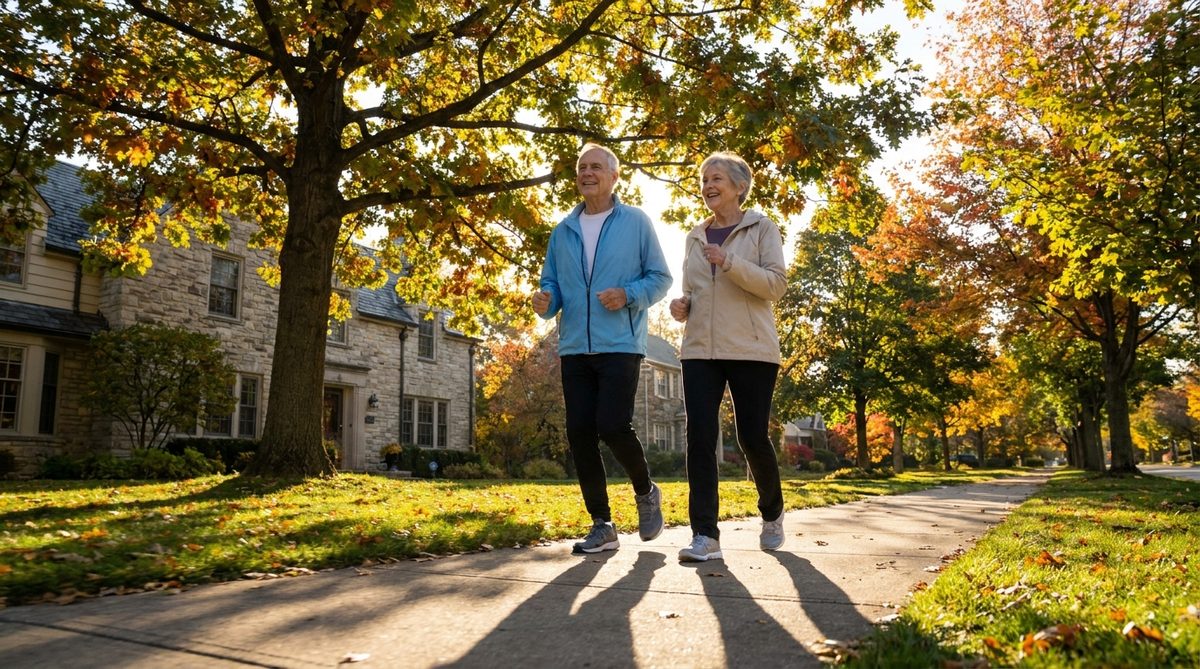
Margaret walked her dog for 15 minutes twice a day and considered that her exercise. Walking is wonderful — but it’s not enough. The Mayo Clinic recommends that adults over 65 get at least 150 minutes of moderate aerobic activity per week, plus muscle-strengthening activities at least two days per week and balance training three or more days per week.
I’m not talking about CrossFit. I’m talking about:
- Brisk walking, swimming, or cycling for cardiovascular health
- Resistance bands, bodyweight exercises, or light dumbbells for muscle preservation
- Tai chi, yoga, or simple single-leg stands for balance and fall prevention
- Stretching and mobility work to maintain joint range of motion
Margaret started a twice-weekly strength class at her local YMCA. Six months later, her grip strength — a surprisingly reliable predictor of overall longevity — had improved by 22%.
Social Connection: The Nutrient You Can’t Swallow
One of the most striking findings in aging research over the past decade is the devastating health impact of loneliness. A 2023 report from the U.S. Surgeon General declared loneliness a public health epidemic, estimating that social isolation increases the risk of premature death by 26% — comparable to smoking 15 cigarettes a day.
After retirement, Margaret had lost her daily interactions with colleagues and students. Her children lived in different states. Her social life had shrunk to brief exchanges at the grocery store. This isn’t unusual. According to AARP, more than one in three adults over 45 report feeling lonely, and the number increases sharply after 65.
I encouraged Margaret to treat social engagement like a prescription. She joined a book club, started volunteering at a community garden, and began having weekly video calls with her grandchildren. Interestingly, recent research has even found that frequent museum visits are tied to reduced cellular aging — a reminder that stimulating environments and cultural engagement aren’t luxuries but legitimate health interventions.
Sleep: The Repair Window That Shrinks With Age
Aging changes sleep architecture in ways that many people don’t expect. Deep sleep — the stage critical for memory consolidation, tissue repair, and immune function — declines significantly after 50. Many older adults spend more time in lighter sleep stages, wake more frequently during the night, and struggle with early morning waking.
Margaret was averaging about five hours of fragmented sleep per night and had accepted it as “just what happens when you get older.” But chronic sleep deprivation raises cortisol levels, increases insulin resistance, impairs cognitive function, and accelerates biological aging.
Simple nutritional strategies can help. Magnesium-rich foods like pumpkin seeds and dark chocolate support muscle relaxation. Tart cherry juice contains natural melatonin. Avoiding large meals within three hours of bedtime reduces reflux-related sleep disruption. And limiting caffeine after noon — something Margaret was not doing — can make a significant difference in sleep quality for anyone over 50.
Margaret’s Six-Month Transformation
I want to be clear: Margaret did not undergo some dramatic Hollywood makeover. She didn’t lose 50 pounds or suddenly start running marathons. What happened was quieter and, in my professional opinion, far more meaningful.
At her six-month check-in with her physician, her A1C had dropped from 5.8% (pre-diabetic) to 5.4% (normal). Her blood pressure had come down from 142/88 to 128/78 without medication. Her bone density hadn’t improved yet — that takes longer — but it had stopped declining. Her vitamin D level was up to 42 ng/mL.
More importantly, she felt different. She had energy in the afternoons again. She was sleeping six to seven hours most nights. She told me she felt “like myself again, but maybe a better version.” That’s what healthy aging looks like in practice — not the absence of disease, but the presence of vitality.
What I Wish Every Senior Knew About Healthy Aging
If there’s one message I could broadcast to every American over 50, it’s this: it is not too late. The human body retains a remarkable capacity for adaptation at every age. A 2024 study published in Nature Aging demonstrated that adults who adopted improved dietary patterns and regular exercise after age 60 still experienced measurable reductions in biological age markers within 12 months. For more on this fascinating research, check out how scientists have reversed biological age in seniors.
But healthy aging also requires practical planning beyond diet and exercise. If you’re managing chronic conditions and want to remain in your own home as long as possible, understanding the realities — and the myths — is essential. I’d encourage you to explore practical strategies for aging in place with chronic conditions, because independence and good nutrition go hand in hand.
Small Shifts, Lasting Impact
I don’t believe in overhauls. In my experience, the seniors who sustain real change are the ones who start with one or two shifts and build from there. Here’s what I typically suggest as a starting framework:
- Add a high-quality protein source to every meal — even breakfast
- Eat at least five different-colored vegetables per week to diversify micronutrient intake
- Get your vitamin D level tested — a simple blood draw that can reshape your supplementation strategy
- Move your body in some intentional way for at least 30 minutes daily, including at least two sessions of resistance work per week
- Schedule social interaction the same way you’d schedule a doctor’s appointment — it’s that important
- Address sleep problems with your physician rather than accepting poor sleep as inevitable
Margaret is now 68. She still calls me occasionally, usually to ask about a new food she’s read about or to tell me her granddaughter is now joining her on morning walks when she visits. She’s not perfect — she still loves her pretzels, and I don’t ask her to give them up. But she’s informed, intentional, and thriving.
That’s what healthy aging is. Not perfection. Not deprivation. Not some impossible standard set by wellness influencers half your age. It’s a series of deliberate, evidence-based choices that compound over time — like interest in a savings account, except the currency is years of independence, clarity, and joy.
And it’s never too late to make your first deposit.
Frequently Asked Questions
What is the most important nutrient for healthy aging after 50?
While no single nutrient is a magic bullet, protein is the most consistently under-consumed nutrient among older adults. Research suggests adults over 50 need 1.0-1.2 grams of protein per kilogram of body weight daily to prevent muscle loss, support bone health, and maintain functional independence. Spreading protein intake across all meals is more effective than consuming it in one large serving.
How much exercise do seniors need for healthy aging?
The CDC and Mayo Clinic recommend at least 150 minutes of moderate aerobic activity per week, plus muscle-strengthening activities at least two days per week and balance exercises three or more days. This doesn't have to be intense — brisk walking, swimming, resistance bands, tai chi, and yoga all count. Consistency matters far more than intensity.
Can you actually reverse aging through diet and lifestyle changes?
Emerging research, including a 2024 study in Nature Aging, shows that adults who adopt healthier dietary patterns and regular exercise after age 60 can measurably reduce biological age markers within 12 months. While you can't reverse chronological age, you can slow or partially reverse biological aging by improving nutrition, increasing physical activity, prioritizing sleep, and maintaining strong social connections.
About Dr. Linda Park, PhD, RD (Registered Dietitian)
Dr. Linda Park is a Registered Dietitian with a PhD in Nutritional Science and 15 years of clinical and research experience focused on older adults. She has published peer-reviewed research on the role of nutrition in managing diabetes, cardiovascular health, and cognitive decline in seniors. At Daily Trends Now, Dr. Park writes evidence-based articles on senior nutrition, supplement safety, meal planning, and the foods that truly make a difference for aging well.