

Aging Well Is Not a Matter of Luck — It’s a Matter of Strategy
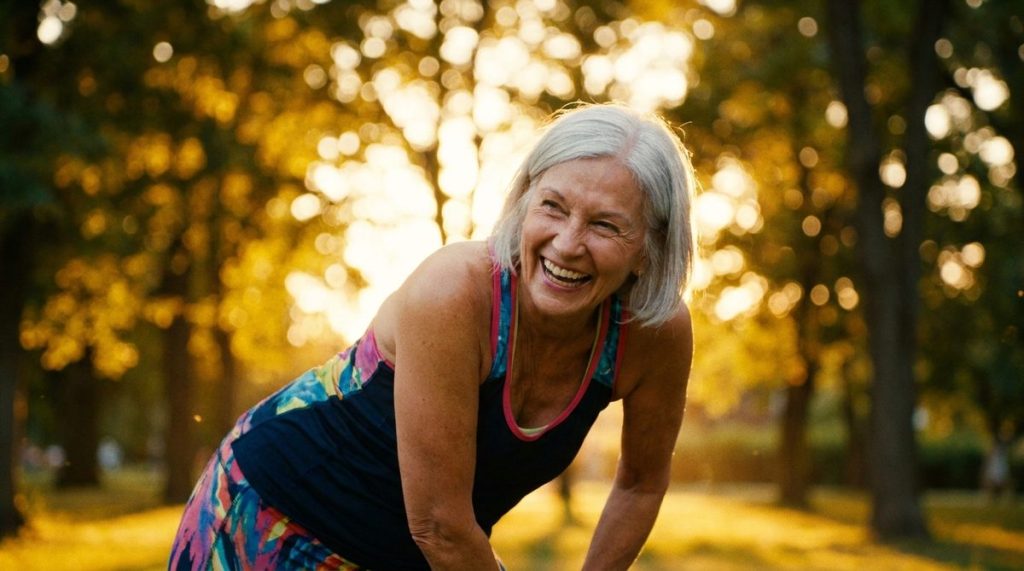
In my 22 years practicing geriatric medicine, I’ve watched two patients of the same age walk into my clinic on the same day — one barely able to climb the exam table, the other training for a 10K. The difference between them almost never comes down to genetics. It comes down to daily habits compounded over years.
The science on this is clearer than ever. A 2024 longitudinal study published in JAMA Network Open found that adults who consistently followed multiple healthy-lifestyle pillars had a biological age up to six years younger than their chronological age. And a landmark 2025 study out of the UK demonstrated that regular arts engagement and physical activity are directly linked to a slower pace of biological aging — measured at the cellular level.
What I see most often is patients who feel overwhelmed. They hear “eat better” and “exercise more” but don’t know where to start. That’s why I’ve distilled decades of clinical evidence and patient outcomes into six concrete pillars of a healthier, age-defying lifestyle. These aren’t vague suggestions. They’re specific, actionable strategies that my most successful patients follow — and that the latest research in 2025 and 2026 fully supports.
Pillar 1: Nutrition That Reverses Cellular Aging
If you only change one thing after reading this article, change what’s on your plate. The connection between diet and biological age isn’t theoretical anymore — it’s measurable. A widely cited 2024 clinical trial showed that older adults who followed a structured Mediterranean-style diet for just four weeks exhibited measurable reductions in DNA methylation age, effectively reversing biological age markers by roughly three years.
I often tell my patients that anti-aging nutrition isn’t about restriction — it’s about density. Nutrient-dense foods deliver more vitamins, minerals, polyphenols, and fiber per calorie. Here’s the framework I use in practice:
- Prioritize colorful produce at every meal. Aim for 7–9 servings daily of vegetables and fruits. Dark leafy greens, berries, and cruciferous vegetables top the list for their antioxidant and anti-inflammatory profiles.
- Choose fatty fish at least three times per week. Salmon, sardines, and mackerel provide omega-3 fatty acids that the Mayo Clinic links to reduced cardiovascular risk and improved cognitive function in older adults.
- Replace refined grains with whole grains and legumes. Lentils, quinoa, and oats stabilize blood sugar and feed beneficial gut bacteria — a factor now considered central to healthy aging.
- Use extra-virgin olive oil as your primary fat. Two to three tablespoons daily has been associated with a 28% lower risk of dementia in adults over 65, according to a 2023 Harvard analysis.
- Limit ultra-processed foods aggressively. A 2024 BMJ study found that every 10% increase in ultra-processed food consumption raised all-cause mortality risk by 14% in adults over 60.
For a deeper dive into how specific dietary frameworks support longevity, I recommend reading this comprehensive breakdown of the 6 Pillars of Healthy Aging After 50 from a dietitian’s perspective.

Pillar 2: Movement That Protects Muscle, Bone, and Brain
The CDC reports that only 28% of adults aged 75 and older meet the recommended physical activity guidelines. That statistic haunts me, because the evidence for exercise as medicine is overwhelming — more robust than any single pharmaceutical intervention I prescribe.
After age 50, you lose roughly 1–2% of muscle mass per year if you’re sedentary. This condition, sarcopenia, is now recognized as a leading driver of falls, fractures, hospitalization, and loss of independence. But here’s the encouraging part: resistance training can reverse sarcopenia at any age. I’ve seen 82-year-old patients regain functional strength within 12 weeks of a structured program.
The Optimal Exercise Mix for Adults Over 50
| Exercise Type | Weekly Target | Key Benefits for Aging | Examples |
|---|---|---|---|
| Aerobic/Cardio | 150–300 min moderate OR 75–150 min vigorous | Heart health, blood pressure, mood, cognitive function | Brisk walking, swimming, cycling |
| Resistance/Strength | 2–3 sessions (all major muscle groups) | Muscle preservation, bone density, metabolic health | Body-weight exercises, bands, free weights |
| Balance Training | 3+ sessions | Fall prevention — falls cause 36,000+ deaths annually in adults 65+ | Tai chi, single-leg stands, yoga |
| Flexibility/Mobility | Daily (5–10 min) | Joint health, pain reduction, functional range of motion | Stretching, foam rolling, gentle yoga |
If you’re also thinking about making your home safer as you stay active, consider these aging-in-place design features that cut fall risk by 60%.
Pillar 3: Sleep Architecture — The Most Overlooked Pillar
Sleep is the single most undervalued component of healthy aging that I encounter in clinical practice. Adults over 60 frequently tell me, “I just don’t need as much sleep anymore.” That’s a myth — and a dangerous one.
What actually happens is that sleep architecture changes with age. Deep slow-wave sleep decreases, sleep latency increases, and nighttime awakenings become more frequent. But the biological need for 7–8 hours of restorative sleep doesn’t diminish. Poor sleep in older adults is directly linked to accelerated cognitive decline, elevated cortisol, insulin resistance, weakened immunity, and a 45% increased risk of cardiovascular events.
Evidence-Based Sleep Strategies for Older Adults
Maintain a rigid sleep-wake schedule. Going to bed and waking up within the same 30-minute window — even on weekends — is the single most effective behavioral intervention for sleep quality, according to circadian rhythm research from 2024.
Manage light exposure deliberately. Get at least 20 minutes of bright outdoor light within an hour of waking. This calibrates your circadian clock. In the evening, dim indoor lights and avoid screens for 60–90 minutes before bed. Blue-light filtering alone isn’t sufficient — overall light intensity matters more.
Address sleep apnea. An estimated 56% of adults over 65 have undiagnosed obstructive sleep apnea. If you snore loudly, wake gasping, or feel unrested despite adequate sleep time, request a home sleep study from your physician. Treating sleep apnea can dramatically reduce stroke risk and improve daytime cognitive function.
Limit sleep aids. Benzodiazepines and Z-drugs (zolpidem, eszopiclone) increase fall risk in older adults by up to 40% and are associated with higher rates of cognitive impairment. Cognitive behavioral therapy for insomnia (CBT-I) is the first-line treatment recommended by the American Academy of Sleep Medicine and produces longer-lasting results without side effects.
Pillar 4: Cognitive Engagement and Creative Activity
One of the most exciting findings in aging research this year comes from a 2025 study that analyzed over 6,000 older adults in the UK. Those who regularly participated in arts and cultural activities — painting, playing music, attending theater, visiting museums — showed a measurably slower pace of biological aging compared to those who didn’t. This wasn’t a small effect. The association held even after controlling for socioeconomic status, education, and physical activity levels.
What I find clinically compelling is that this aligns with what neuroscientists call “cognitive reserve.” The brain is plastic at every age. When you challenge it with novel, complex, and emotionally engaging activities, you build neural connections that serve as a buffer against dementia pathology.

Three Enjoyable Ways to Slow Brain Aging
Learn a musical instrument or join a choir. Music engages memory, motor coordination, emotional processing, and auditory discrimination simultaneously — more brain regions than almost any other single activity. A 2024 meta-analysis showed that regular musical engagement reduced dementia risk by 24% in adults over 60.
Take up visual arts. Drawing, painting, or sculpting activates the prefrontal cortex and strengthens visuospatial processing. Community art classes also provide social connection, compounding the benefit.
Engage in strategic games with a social component. Bridge, chess clubs, or even cooperative board games combine cognitive challenge with social interaction. Isolation is a risk factor for cognitive decline that rivals smoking — so activities that are both mentally stimulating and socially embedded deliver the greatest return.
Research increasingly confirms that decline isn’t inevitable as we age, and creative engagement is a powerful part of the equation.
Pillar 5: Social Connection as a Longevity Tool
The U.S. Surgeon General declared loneliness a public health epidemic in 2023, and the data behind that declaration is staggering. Social isolation increases mortality risk by 29% — comparable to smoking 15 cigarettes a day. For adults over 65 living alone, the risk of developing dementia is 27% higher than for those with regular social contact.
In my practice, I screen every patient over 65 for social isolation using the UCLA Loneliness Scale. It takes two minutes and reveals more about a patient’s health trajectory than many lab panels. When I identify isolation, I treat it with the same urgency as high blood pressure.
Building and Maintaining Social Infrastructure
Schedule social activity like a medical appointment. Put it on the calendar. Whether it’s a weekly lunch, a walking group, or a volunteer shift, the consistency matters more than the duration. Studies show that three or more meaningful social interactions per week is the threshold for protective benefits.
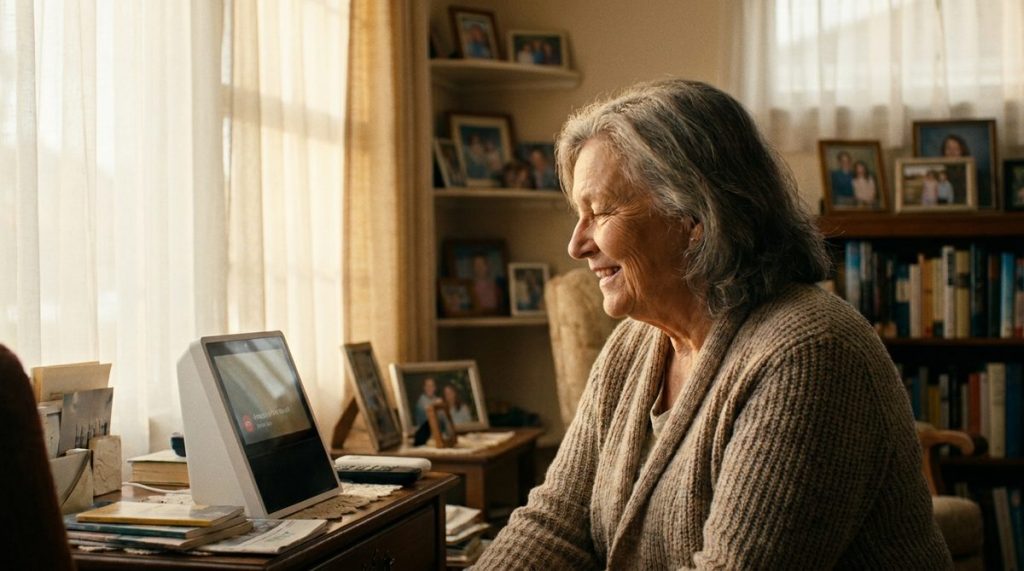
Leverage technology thoughtfully. Video calls, online communities, and virtual classes can supplement — though not fully replace — in-person connection. For those with mobility limitations, technology bridges the gap effectively. If you’re considering tools to stay connected and safe at home, explore these 7 tech devices that help seniors age in place safely.
Consider intergenerational programs. Mentoring, tutoring, or participating in programs that pair older adults with younger people provides a sense of purpose — a factor the National Institute on Aging identifies as independently associated with lower mortality, better sleep, and reduced inflammation.
Pillar 6: Proactive Medical Management
The final pillar of a healthier, age-defying lifestyle is the one most directly tied to my clinical work: staying ahead of chronic disease rather than reacting to crises. Approximately 80% of adults over 65 manage at least one chronic condition. Nearly 70% manage two or more. The goal isn’t to avoid all illness — it’s to manage conditions so effectively that they don’t dictate your quality of life.
What Proactive Medical Management Looks Like
Medication optimization. Polypharmacy — taking five or more medications — affects more than 40% of older adults and is responsible for approximately 125,000 deaths annually in the United States. I conduct a comprehensive medication review with every patient at least twice per year. Ask your doctor to do the same. The question isn’t just “What should I add?” — it’s “What can we safely stop?”
Preventive screenings on schedule. Colonoscopies, bone density scans, annual comprehensive metabolic panels, hearing and vision tests, and depression screenings all have evidence-based schedules. Missing a screening doesn’t cause immediate symptoms — but catching colon cancer at stage I versus stage III means a 90% survival rate versus 53%.
Advance care planning. Only 37% of American adults have a completed advance directive. In my experience, having this conversation — about healthcare proxies, living wills, and goals of care — reduces family conflict, decreases unwanted aggressive treatment, and actually improves end-of-life quality. This is a medical intervention as much as any prescription.
Financial health as medical health. Financial stress elevates cortisol chronically, worsening hypertension, diabetes control, and depression. I’ve seen patients’ blood pressure improve when they resolve financial anxiety. If you’re concerned about retirement finances, this guide on protecting your savings as a retiree is a practical starting point.
Putting the Six Pillars Together: Your Action Plan
What makes these six pillars powerful isn’t any single one in isolation — it’s the synergy between them. Good nutrition improves sleep. Better sleep enhances cognitive function. Cognitive engagement often involves social connection. Physical activity reduces the need for medications. Proactive medical management keeps you well enough to stay active and engaged.
Here’s how I recommend my patients start implementing these pillars without feeling overwhelmed:
- Week 1: Add two extra servings of vegetables per day and schedule a medication review with your doctor.
- Week 2: Begin a 20-minute daily walk and establish a fixed bedtime that allows for 7.5 hours in bed.
- Week 3: Sign up for one social or creative activity — an art class, book club, choir, or volunteer role.
- Week 4: Complete or update your advance directive and review all current prescriptions with your pharmacist.
- Month 2 and beyond: Add resistance training twice per week, expand your Mediterranean diet practices, and track your sleep quality using a journal or wearable device.
Small, layered changes are sustainable. Radical overhauls are not — and in my two decades of practice, I’ve never once seen an overnight transformation stick.
The Bottom Line: Age-Defying Is Within Reach
The phrase “age-defying lifestyle” might sound like marketing language, but the science behind these six pillars is concrete, peer-reviewed, and applicable starting today. Biological aging is not fixed. Your cells respond to what you eat, how you move, how well you sleep, what you create, who you love, and how you manage your health.
I’ve watched patients in their 80s lower their biological age markers. I’ve seen 70-year-olds outperform sedentary 50-year-olds on every functional measure. Aging doesn’t mean decline — not if you build the right foundation. These six pillars are that foundation. Start with one. Then add another. The compounding effect is real, and it’s never too late to begin.
About Dr. James Roberts, MD, Board-Certified in Geriatrics
Dr. James Roberts is a board-certified geriatrician with 22 years of clinical experience caring for American seniors. He specializes in chronic disease management, medication safety, cognitive health, and senior wellness. Dr. Roberts is passionate about translating the latest medical research into clear, practical guidance that helps older adults make confident, informed decisions about their health. At Daily Trends Now, his articles are based on peer-reviewed studies and authoritative sources such as the CDC, Mayo Clinic, and the National Institute on Aging.