
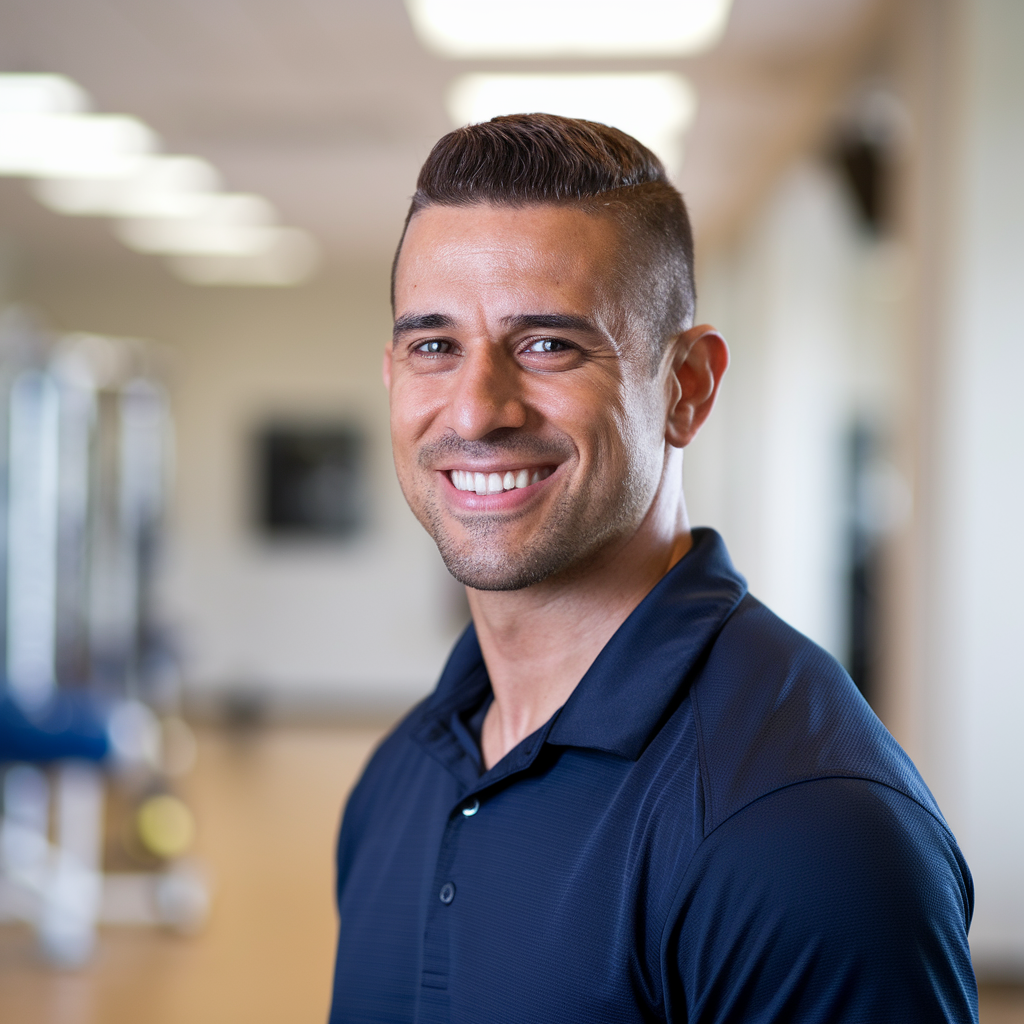
Why “Age-Defying” Doesn’t Mean Fighting Aging — It Means Mastering It
I’ve spent 18 years as a board-certified geriatric physical therapy specialist, and if there’s one thing I wish every patient heard on their 50th birthday, it’s this: aging well isn’t about turning back the clock. It’s about building a lifestyle that lets you stay independent, strong, and genuinely happy for decades to come.
The science behind healthy aging has evolved dramatically. Research from the National Institute on Aging consistently shows that roughly 75% of the factors determining how well we age are behavioral — not genetic. That means the choices you make today about movement, food, sleep, and social connection matter far more than your family history.
The headlines in early 2025 are buzzing about the “pillars” of an age-defying lifestyle heading into 2026. As someone who works with older adults every single day, I wanted to break down exactly what those pillars look like in practice — not as vague wellness slogans, but as concrete, evidence-backed strategies you can start using this week.
Here are the six pillars of a healthier, age-defying lifestyle that I recommend to every patient and reader over 50.
1. Consistent Strength Training — The Single Greatest Anti-Aging Tool
If I could prescribe only one intervention to every adult over 50, it would be progressive resistance training. Not walking. Not stretching. Strength training. Here’s why: after age 30, we lose approximately 3–8% of muscle mass per decade, and that rate accelerates significantly after 60. The clinical term is sarcopenia, and it’s a primary driver of falls, fractures, disability, and loss of independence.
The CDC recommends adults 65 and older perform muscle-strengthening activities at least two days per week. Yet according to their own 2022 data, fewer than 27% of older adults meet that guideline. That gap represents one of the biggest missed opportunities in preventive health care.
What This Looks Like in Practice
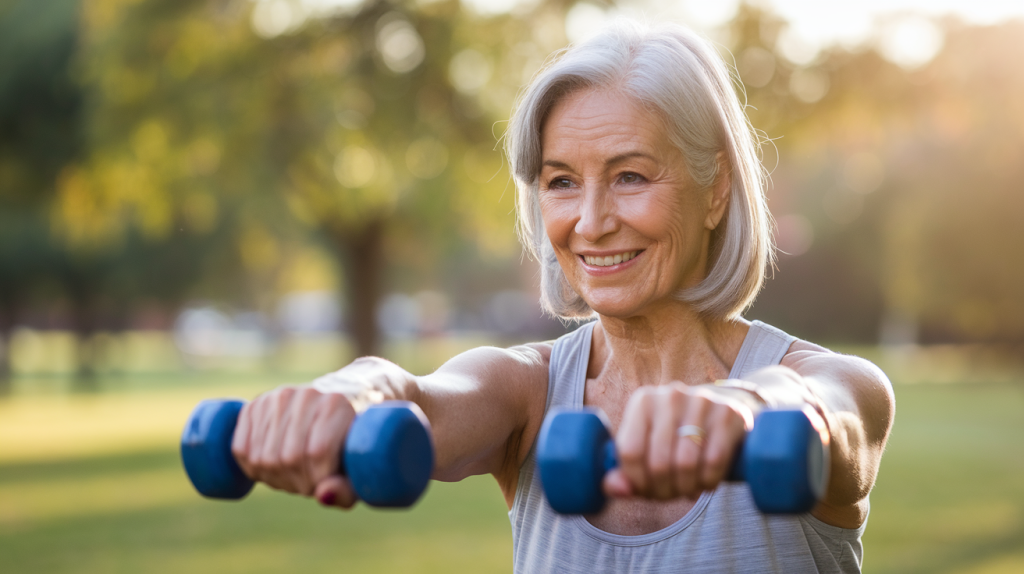
You don’t need a gym membership or heavy barbells. In my clinic, I start patients with bodyweight exercises, resistance bands, and light dumbbells. The key is progressive overload — gradually increasing the challenge so your muscles continue to adapt.
- Start with two sessions per week, each lasting 20–30 minutes, targeting major muscle groups (legs, back, chest, shoulders, core).
- Focus on functional movements: squats to a chair, wall push-ups, step-ups, and rows with resistance bands.
- Increase resistance by 5–10% every two to three weeks once an exercise feels manageable for 12 repetitions.
- Track your progress in a simple notebook or phone app — patients who log their workouts are 42% more likely to stick with them long-term, per a 2023 study in the Journal of Aging and Physical Activity.
- Work with a physical therapist or certified trainer experienced with older adults for your first month to establish safe form.
I’ve seen 72-year-old patients double their leg press strength in 12 weeks. That kind of improvement translates directly into climbing stairs more easily, getting out of a car without struggling, and recovering faster if you do end up hospitalized. Speaking of hospitals, keeping elderly patients moving during hospital stays is critical — and it’s far easier when you enter the hospital with a strength reserve built through consistent training.
2. An Anti-Inflammatory Nutrition Strategy — Not a Diet, a Pattern
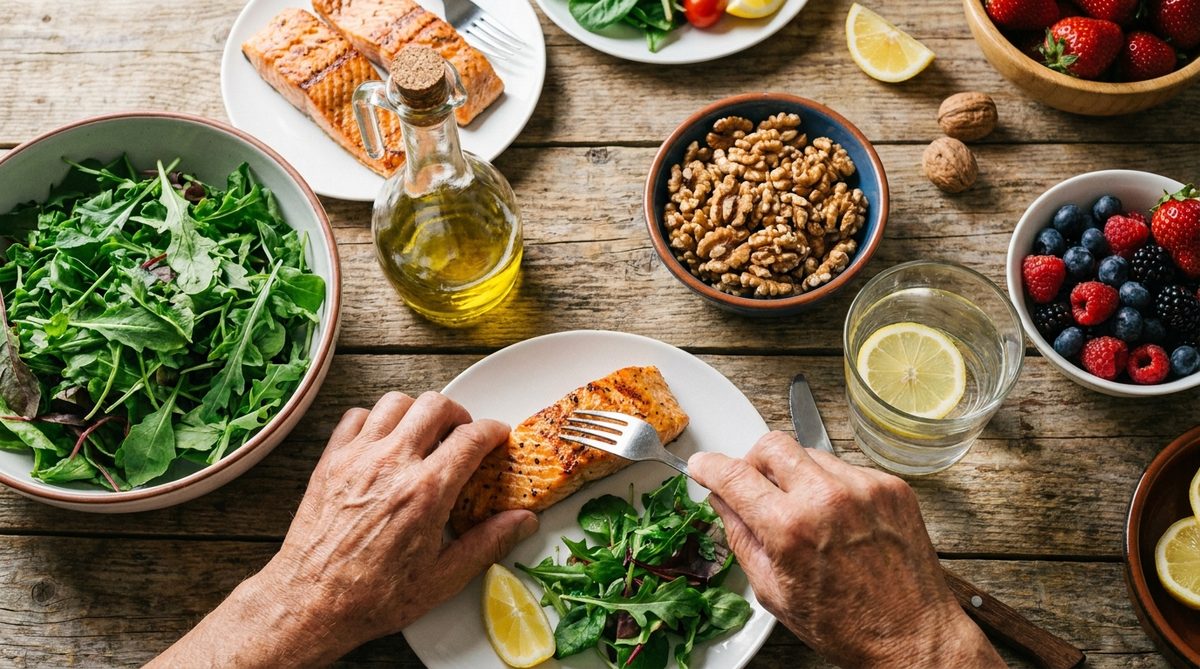
What I see most often in my patients isn’t a lack of willingness to eat well — it’s confusion about what “eating well” actually means after 50. The age-defying lifestyle approach to nutrition isn’t about calorie restriction or eliminating food groups. It’s about consistently choosing foods that reduce chronic inflammation, the underlying driver of heart disease, arthritis, cognitive decline, and dozens of other age-related conditions.
The Mediterranean dietary pattern remains the gold standard. A landmark 2023 meta-analysis published in the BMJ reviewing over 120 studies confirmed that adherence to a Mediterranean-style diet was associated with a 25% reduction in cardiovascular events and a 23% reduction in all-cause mortality among adults over 55.
The Core Principles
Prioritize vegetables, fruits, whole grains, legumes, nuts, olive oil, and fatty fish (like salmon and sardines). Limit processed meats, refined sugars, and ultra-processed foods. Aim for 25–30 grams of protein at each meal — older adults need more protein than younger people to maintain muscle, yet most aren’t getting enough.
One practical tip I give every patient: make half your plate vegetables at both lunch and dinner. It sounds simple, but that single habit shifts your entire intake toward nutrient density and away from inflammatory processed carbohydrates. For a deeper look at what really works nutritionally after 60, check out this piece on healthy aging myths debunked by a dietitian over 50.
3. Sleep Quality Over Sleep Quantity
Sleep is the most underrated pillar of a healthier, age-defying lifestyle. The Mayo Clinic reports that adults over 65 still need seven to eight hours of sleep, but deep restorative sleep stages (slow-wave sleep) naturally decrease with age. This reduction is linked to increased cortisol, impaired glucose metabolism, accelerated cognitive decline, and higher fall risk.
In my 18 years of experience, I’ve noticed a strong correlation between my patients who sleep well and those who make the fastest functional progress. Sleep is when your body repairs muscle tissue, consolidates memory, and regulates the hormones that control appetite, mood, and inflammation.
Actionable Sleep Hygiene for Older Adults
Stop viewing poor sleep as a normal part of aging. It isn’t. If you snore loudly, wake gasping, or feel unrested despite adequate hours in bed, talk to your doctor about a sleep study. Undiagnosed sleep apnea affects an estimated 56% of adults over 65, according to a 2020 study in The Lancet Respiratory Medicine.
Keep your bedroom cool (65–68°F), limit screen exposure for 60 minutes before bed, maintain a consistent wake time — even on weekends — and avoid caffeine after noon. These aren’t trendy hacks; they’re evidence-based interventions that I’ve watched transform patients’ energy, balance, and mental sharpness within weeks.
4. Social Connection as a Biological Necessity
Loneliness isn’t just an emotional problem. It’s a clinical one. The U.S. Surgeon General’s 2023 advisory declared social isolation a public health epidemic, noting that the mortality impact of prolonged loneliness is equivalent to smoking 15 cigarettes per day. For adults over 50, social disconnection increases the risk of dementia by 50% and the risk of heart disease by 29%.
I often tell my patients that your social calendar is as important as your exercise routine. I’ve seen individuals whose physical therapy progress stalled — not because the exercises weren’t working, but because they had no motivation, no one waiting for them at a walking group, and no reason to get dressed in the morning.
Building Your Social Infrastructure
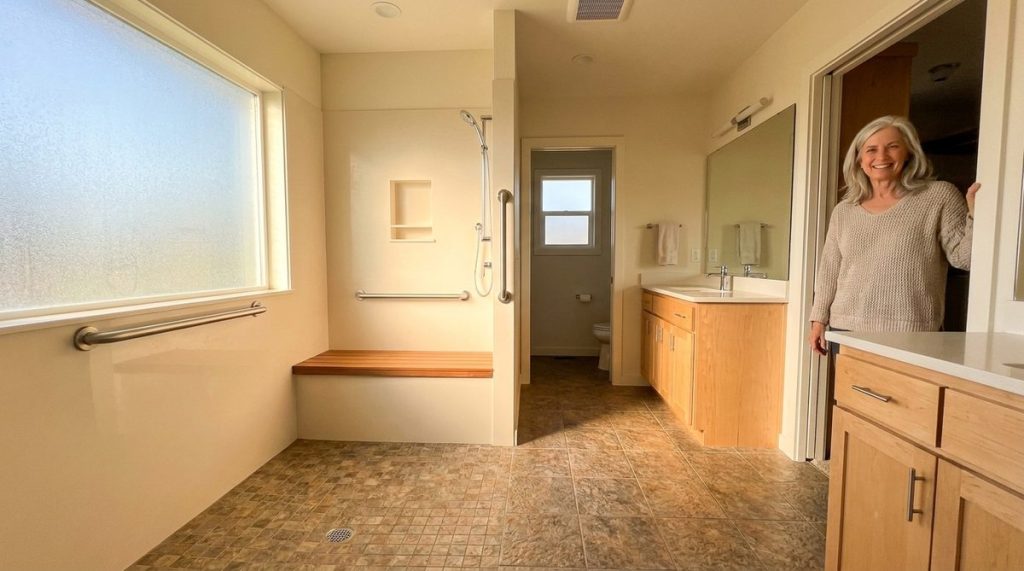
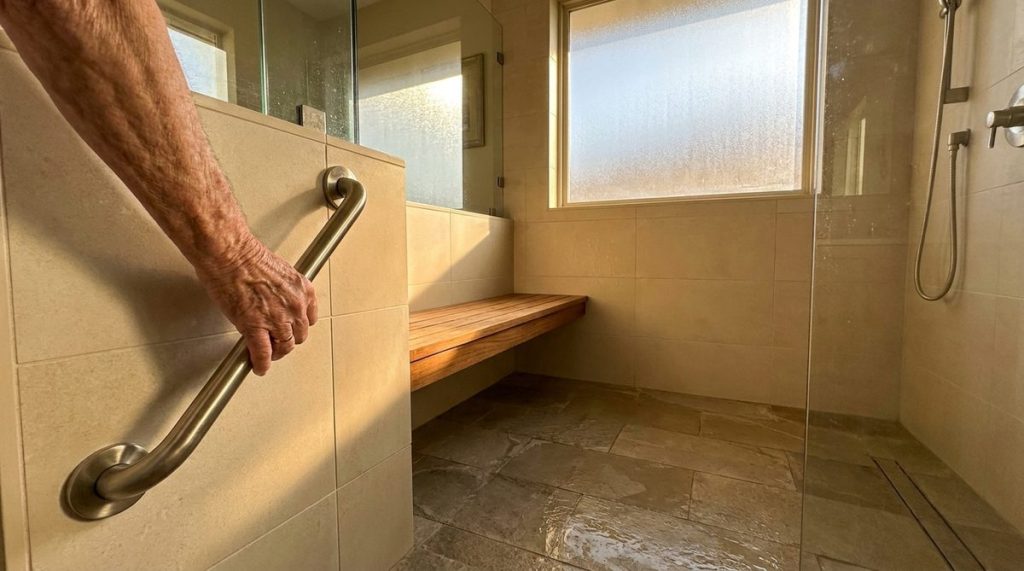
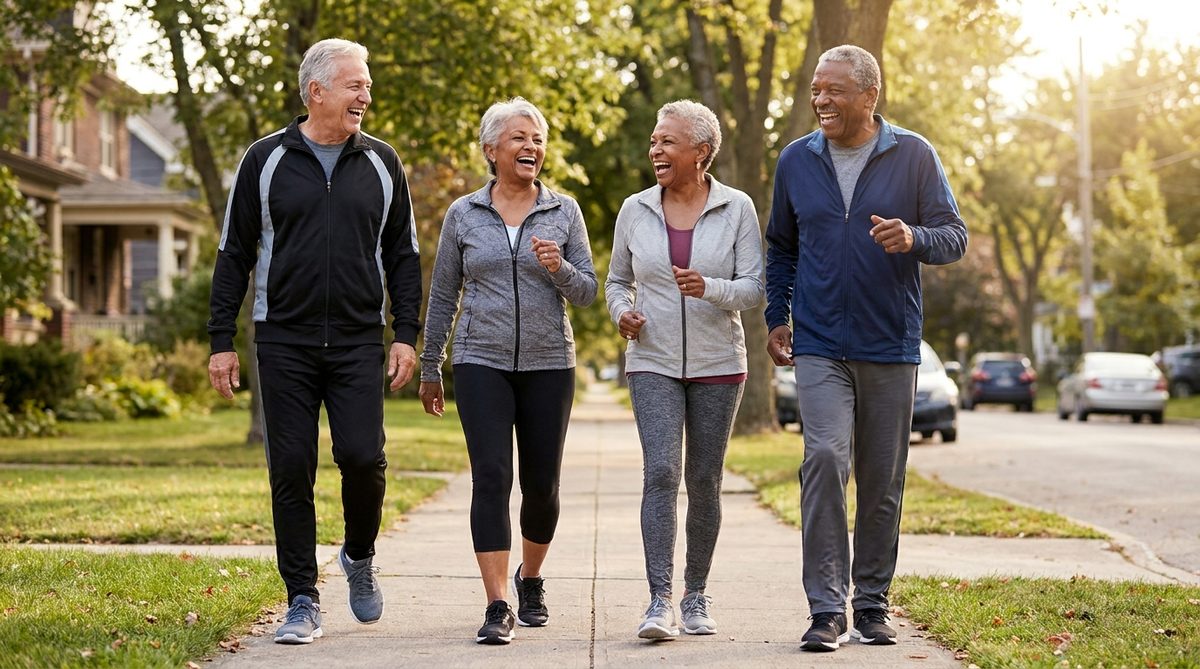
Think of social connection as infrastructure you build intentionally, just like you’d modify a home for safe aging. (If you’re working on that, here’s a useful guide on how to modify your home to age in place.) Join a walking group, volunteer at a local food bank, take a class at a community college, or simply commit to one weekly phone call with a friend or family member.
Technology helps, too. Video calling has been shown to reduce depressive symptoms in isolated older adults by up to 34% when used regularly. The point isn’t how you connect — it’s that you do, consistently and meaningfully.
5. Proactive Brain Health — Beyond Crossword Puzzles
Cognitive decline is the health outcome adults over 50 fear most, often ranking above cancer or heart disease in surveys. The good news from emerging research is that up to 40% of dementia cases may be preventable through lifestyle modifications, according to a comprehensive 2024 update from The Lancet Commission on Dementia Prevention.
The biggest modifiable risk factors include hearing loss (untreated hearing loss increases dementia risk by up to 42%), physical inactivity, hypertension, diabetes, depression, and social isolation. Notice how many of those overlap with the other pillars we’ve already discussed. That’s not a coincidence — an age-defying lifestyle is inherently neuroprotective.
What Actually Protects Your Brain
Crossword puzzles are fine, but they’re not sufficient. Genuine cognitive challenge requires novelty — learning a new language, picking up a musical instrument, taking an unfamiliar route through your neighborhood. These activities force your brain to form new neural connections rather than simply reinforcing existing ones.
Get your hearing checked annually after 50 and use hearing aids if recommended. Manage your blood pressure aggressively (target below 130/80 per current ACC/AHA guidelines). And keep exercising — aerobic activity increases brain-derived neurotrophic factor (BDNF), essentially fertilizer for your neurons. A 2023 study in Neurology found that older adults who walked briskly 150 minutes per week had hippocampal volumes comparable to adults three years younger.
6. Purposeful Stress Management and Mental Health Care
The final pillar of a healthier, age-defying lifestyle is one that my generation of clinicians didn’t learn much about in school but now recognize as foundational: mental health. Chronic psychological stress elevates cortisol, accelerates telomere shortening (a biological marker of aging), increases systemic inflammation, and sabotages nearly every other healthy behavior.
Adversity and stress accumulate over a lifetime, and recent research from the Journal of Gerontology (2024) demonstrates that cumulative adversity is directly tied to increased frailty in midlife and older adults. This isn’t abstract theory — I see it in my clinic. Patients carrying years of unmanaged stress, grief, or anxiety have measurably worse physical function, slower recovery times, and higher rates of chronic pain.
Evidence-Based Strategies That Work
Mindfulness-based stress reduction (MBSR) has the strongest evidence base for older adults. An eight-week MBSR program has been shown to lower cortisol by 15–20%, reduce chronic pain intensity, and improve sleep quality. Many hospitals and community centers offer these programs, and several are available online for free through the VA and university medical centers.
Therapy isn’t just for people in crisis. Cognitive behavioral therapy (CBT) is highly effective for older adults dealing with health anxiety, adjustment to retirement, grief, or the emotional weight of managing chronic conditions. If cost is a barrier, many Medicare Advantage plans now cover teletherapy with zero copay — check your specific plan details.
I also encourage daily practices that sound simple but carry real physiological weight: five minutes of deep diaphragmatic breathing, spending 20 minutes outdoors in natural light, and writing down three specific things you’re grateful for each evening. These aren’t soft wellness trends. They’re interventions backed by peer-reviewed data showing reductions in inflammatory markers, blood pressure, and depressive symptoms.
Pulling It All Together: Your Age-Defying Action Plan
These six pillars — strength training, anti-inflammatory nutrition, quality sleep, social connection, brain health, and stress management — aren’t independent strategies. They’re interconnected systems. Improving one improves all the others. Exercise improves sleep. Better sleep improves nutrition choices. Stronger social bonds reduce stress. Lower stress protects your brain.
I always tell patients: don’t try to overhaul everything at once. Pick one pillar where you’re weakest and commit to one specific change for the next 30 days. Walk into a gym and ask about a beginner strength class. Buy a bag of frozen salmon and commit to eating fish twice this week. Call a friend you haven’t spoken to in months.
The research is clear, and my clinical experience confirms it daily: the adults who age most successfully aren’t the ones with perfect genes. They’re the ones who build sustainable habits across these six pillars, year after year. And if you’re looking for more strategies that genuinely work, I recommend reading about 7 healthy aging habits that actually work after 60.
The best time to start building an age-defying lifestyle was 20 years ago. The second best time is today.
Frequently Asked Questions
What is the best exercise for adults over 50 to slow aging?
Progressive resistance (strength) training is the single most impactful exercise for adults over 50. It combats sarcopenia, improves bone density, reduces fall risk, and supports metabolic health. The CDC recommends at least two sessions per week targeting all major muscle groups, and even bodyweight exercises or resistance bands provide significant benefits when performed consistently.
How many hours of sleep do seniors really need?
Most adults over 65 still need seven to eight hours of sleep per night, according to the Mayo Clinic. However, sleep quality matters as much as quantity — deep restorative sleep stages naturally decline with age. If you feel unrested despite adequate hours in bed, talk to your doctor about a sleep evaluation, particularly for undiagnosed sleep apnea, which affects more than half of adults over 65.
Can lifestyle changes actually prevent dementia?
Research from The Lancet Commission on Dementia Prevention suggests that up to 40% of dementia cases could be prevented or delayed through modifiable lifestyle factors. The most impactful include treating hearing loss, staying physically active, managing blood pressure and diabetes, maintaining social connections, and engaging in cognitively challenging new activities beyond routine puzzles.
Is the Mediterranean diet effective for healthy aging?
Yes. A 2023 meta-analysis of over 120 studies found that the Mediterranean dietary pattern reduced cardiovascular events by 25% and all-cause mortality by 23% among adults over 55. The diet emphasizes vegetables, fruits, whole grains, legumes, fatty fish, nuts, and olive oil while limiting processed meats and refined sugars, creating a powerful anti-inflammatory nutritional foundation.
How does social isolation affect physical health in older adults?
Social isolation carries serious physical health consequences. The U.S. Surgeon General's 2023 advisory equated the mortality risk of prolonged loneliness to smoking 15 cigarettes daily. For adults over 50, social disconnection increases dementia risk by 50% and heart disease risk by 29%. Regular meaningful social engagement — even through video calls — measurably reduces depressive symptoms and inflammatory markers.
About Michael Torres, DPT, Board-Certified Geriatric Specialist
Michael Torres is a Doctor of Physical Therapy and board-certified geriatric clinical specialist with 18 years of experience working with older adults. He has treated thousands of seniors recovering from hip replacements, managing arthritis, rebuilding strength after hospitalizations, and preventing dangerous falls. At Daily Trends Now, Michael writes practical guides on exercises, mobility, pain management, and the physical strategies that help seniors stay strong and independent.