

Why More Older Adults Are Looking Beyond Assisted Living
Assisted living facilities serve an important role, but they are far from the only path forward for Americans over 50. According to AARP, roughly 77 percent of adults aged 50 and older say they want to remain in their own homes as they age. That overwhelming preference has fueled a surge in creative, practical alternatives to assisted living that balance independence with the right amount of support.
The cost factor alone is enough to make anyone pause. The Genworth 2023 Cost of Care Survey found the national median cost of an assisted living facility reached $5,350 per month — more than $64,000 a year. For many retirees living on fixed incomes, that figure simply does not work, especially when inflation continues to chip away at retirement savings.
But cost is only part of the equation. Autonomy, social connection, familiar surroundings, and personal dignity all factor into the decision. The good news: a growing ecosystem of services, housing models, and community programs now makes it realistic to age well outside a traditional facility. Below are eight alternatives to assisted living that deserve serious consideration.
1. Aging in Place With Home Modifications
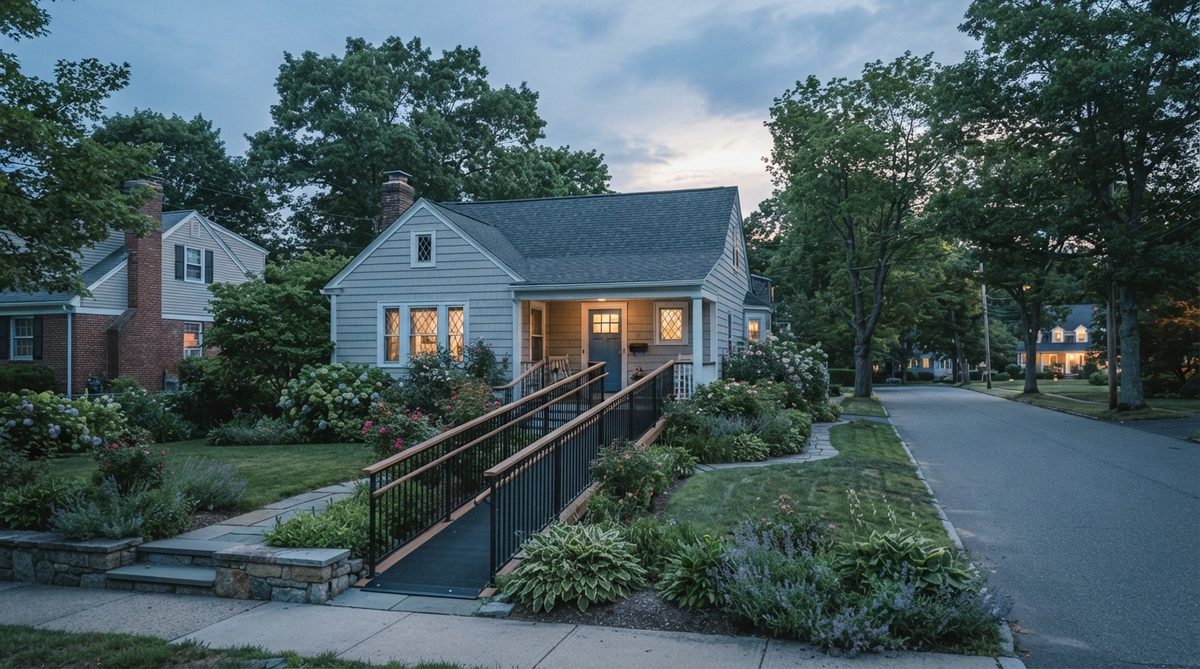
Staying in the home you already love is the most popular alternative to assisted living — and for good reason. Familiar surroundings support cognitive health, reduce stress, and preserve the routines that keep life feeling normal.
The key is making the home physically safe. The National Institute on Aging recommends grab bars in bathrooms, improved lighting, non-slip flooring, and single-floor living arrangements as foundational changes. More extensive modifications might include widening doorways, installing walk-in showers, or adding stairlifts.
What to budget
Basic safety modifications can cost as little as $2,000 to $5,000, while full aging-in-place remodels may run $25,000 or more depending on the scope. Some state Medicaid waiver programs and Veterans Affairs grants help cover costs — it is worth researching what applies in your state.
If you are considering this route, our detailed guide on how to make your home safe for aging in place walks through the process room by room.
2. In-Home Care Services
Hiring professional caregivers to come to your home — rather than moving to a facility — gives you the help you need without uprooting your life. In-home care ranges from a few hours of companionship per week to full-time skilled nursing, depending on what the situation calls for.
Types of in-home help
- Personal care aides: Assist with bathing, dressing, meal preparation, and light housekeeping.
- Home health aides: Provide basic health-related services under medical supervision.
- Skilled nursing: Licensed nurses who handle wound care, medication management, injections, and chronic disease monitoring.
- Companion care: Focused on socialization, errands, and transportation rather than medical tasks.
The national median cost for a home health aide is approximately $33 per hour, according to Genworth data. That means someone needing 20 hours a week of help would pay roughly $2,860 per month — significantly less than the median assisted living bill. Medicare covers certain qualifying home health services, though the rules are specific and time-limited.
3. Adult Day Programs
Adult day programs are one of the most underrated alternatives to assisted living. These community-based centers provide structured activities, meals, social interaction, and health monitoring during daytime hours, typically from about 7 a.m. to 6 p.m.
They are especially valuable for older adults who live with family caregivers. The caregiver can work or tend to personal needs during the day, while the older adult stays engaged and supervised in a safe setting.
What to expect
The National Council on Aging reports that adult day services cost a national median of roughly $78 per day — far less than residential care. Most programs offer transportation, therapeutic activities, and some provide specialized memory care for participants with Alzheimer’s or dementia.
Consider a hypothetical retiree named Carol who has early-stage dementia. Imagine she attends an adult day program three days a week while her daughter is at work. Carol gets socialization, cognitive exercises, and a hot lunch, while her daughter avoids the burnout that drives many families toward premature placement in assisted living.
4. Naturally Occurring Retirement Communities (NORCs)
You may already live in a NORC without realizing it. A Naturally Occurring Retirement Community is not a planned senior development — it is any neighborhood, apartment building, or housing complex where a large share of residents happen to be older adults.
What makes NORCs special is the layer of coordinated services that nonprofits, government agencies, and health systems bring directly to the community. Think on-site wellness clinics, social workers, group exercise classes, and volunteer-run transportation — all delivered where residents already live.
Where to find them
NORC programs are most established in New York, Ohio, and several other states. AARP and local Area Agencies on Aging can help you determine whether a NORC Supportive Services Program operates near you. Because residents do not have to move, these programs preserve neighborhood ties and keep costs minimal — often funded through grants and Medicaid waivers rather than out-of-pocket fees.
5. Home-Sharing and Co-Housing
Loneliness is one of the biggest threats to health after 50. The U.S. Surgeon General’s 2023 advisory on the epidemic of loneliness cited research showing that social isolation carries health risks equivalent to smoking 15 cigarettes a day. Home-sharing directly addresses that risk.
In a home-sharing arrangement, an older adult with extra space opens a room to a housemate — often another older adult, a graduate student, or a younger person willing to help with chores in exchange for reduced rent. Organizations like Silvernest and the National Shared Housing Resource Center help match compatible participants.
Co-housing takes it further
Senior co-housing communities are intentionally designed neighborhoods where residents have private homes but share common spaces like kitchens, gardens, and gathering rooms. Decision-making is collaborative, and neighbors actively look out for one another. There are currently more than 170 co-housing communities across the United States, with a growing number specifically designed for older adults.
This model works well for people who value community and independence in equal measure — and who want a built-in support network without the institutional feel of a facility.

6. The Village Model
The Village movement started in Boston’s Beacon Hill neighborhood in 2001 and has since spread to more than 350 communities in 45 states. Villages are membership-driven, grassroots organizations run largely by volunteers — many of whom are older adults themselves.
How it works
Members pay an annual fee (typically $400 to $600 for an individual, though many Villages offer sliding-scale pricing) and gain access to a vetted network of services:
- Transportation to medical appointments, grocery stores, and social events
- Home repair referrals with pre-screened contractors
- Social programming such as book clubs, lectures, and group outings
- Wellness checks and technology support
- Connections to professional home-care providers when needs escalate
The Village to Village Network coordinates the movement nationally. This alternative to assisted living is particularly appealing because it lets you stay in your own home while plugging into a community that genuinely watches out for its members.
7. Continuing Care Retirement Communities (CCRCs) — Independent Living Track
CCRCs — sometimes called Life Plan Communities — are often lumped in with assisted living, but they deserve separate attention because of their tiered structure. A CCRC offers independent living, assisted living, and skilled nursing all on one campus. The critical difference is that many residents enter at the independent living level and stay there for years, sometimes decades.
Why it qualifies as an alternative
Choosing independent living within a CCRC means you maintain your own apartment or cottage, cook your own meals (or eat in a dining hall when you feel like it), and come and go freely. If health needs change later, higher levels of care are available on-site — no traumatic moves across town.
Costs vary widely. Entry fees can range from $100,000 to over $500,000, with monthly fees of $2,000 to $4,500, depending on the location and contract type. That is a substantial investment, so careful financial planning is essential. Understanding how your benefits and income streams fit together matters here — check our overview of Social Security changes still affecting retirees in 2026 to make sure you are factoring in the latest adjustments.
8. Technology-Enabled Independent Living
Modern technology has made it remarkably easier to live independently at any age. The combination of telehealth, smart-home devices, medical alert systems, and digital social platforms creates a safety net that simply did not exist a decade ago.
Tools worth adopting
- Medical alert systems: Wearable devices with fall detection and GPS tracking, such as those from Medical Guardian or Bay Alarm Medical, that connect directly to emergency services.
- Telehealth platforms: Virtual doctor visits eliminate transportation barriers and reduce exposure to illness in waiting rooms. Medicare now covers many telehealth services permanently after expanding access during the pandemic.
- Smart-home sensors: Motion sensors, automated lighting, smart thermostats, and stove auto-shutoff devices reduce accident risks without requiring a caregiver’s constant presence.
- Medication management apps and dispensers: Automated pill dispensers like Hero or MedMinder alert you when a dose is due and notify a family member if it is missed.
- Social connection tools: Video calling, online community forums, and even gaming platforms designed for older adults help combat isolation.
Research increasingly supports the cognitive benefits of staying digitally engaged as you age. Our coverage of how smartphone use is linked to lower cognitive decline after 50 explores that evidence in detail.
How to Decide Which Alternative Fits Your Life
Choosing among alternatives to assisted living is not a one-size-fits-all decision. The right answer depends on health status, financial resources, family proximity, social needs, and personal preferences. Here are some guiding questions to ask yourself:
- How much daily help do you realistically need right now — and how might that change in the next five years?
- What is your monthly budget for care and housing combined?
- How important is staying in your current neighborhood versus moving to a purpose-built community?
- Do you have family or friends nearby who can provide informal support, or will you need to build a new network?
- Are you comfortable with technology, or would you need training and setup help?
Imagine a retired couple in their early 70s who are healthy, socially active, and own their home outright. Aging in place with modest home modifications and a Village membership might serve them beautifully for the next 15 years. Now imagine a 78-year-old widower managing diabetes and early mobility challenges with no family within 200 miles. A CCRC or a home-sharing arrangement paired with in-home care could be a smarter, safer fit.
The Bottom Line: Independence Has More Paths Than Ever
The conversation around aging in America is shifting fast. Assisted living will remain an important option for people who need it, but it is no longer the default. From home modifications and in-home care to co-housing, Villages, and smart technology, the landscape of alternatives to assisted living has never been richer or more accessible.
The most important step is starting the conversation — with yourself, with family, and with professionals — before a crisis forces a rushed decision. Planning early gives you more choices, lower costs, and a far better chance of living the later decades on your own terms.
Whatever path you choose, remember that the goal is not just to age safely. The goal is to age well — with purpose, connection, and the freedom to shape your own daily life.
Frequently Asked Questions
What is the cheapest alternative to assisted living?
Aging in place with basic home modifications is typically the most affordable option, especially if you own your home. Adding an adult day program or a Village membership keeps costs well below the national median of $5,350 per month for assisted living, while still providing social support and safety resources.
Does Medicare cover any alternatives to assisted living?
Medicare does not cover assisted living or long-term custodial care, but it does cover qualifying home health services, certain telehealth visits, and medically necessary durable medical equipment. Eligibility rules are specific, so check with Medicare directly or consult a State Health Insurance Assistance Program (SHIP) counselor.
How do I know when aging in place is no longer safe?
Warning signs include frequent falls, missed medications, noticeable weight loss, increased confusion, social withdrawal, and an inability to manage basic tasks like cooking or bathing. A geriatric care manager or your primary care physician can conduct a formal assessment to help determine the appropriate level of support.
What is a Village model and how do I join one?
A Village is a membership-based, community-run organization that helps older adults live independently at home by providing vetted services such as transportation, home repair referrals, social activities, and wellness checks. You can search for a Village near you through the Village to Village Network at vtvnetwork.org.
Are home-sharing arrangements safe for older adults?
Reputable home-sharing programs conduct background checks, reference checks, and compatibility interviews before matching participants. Organizations like Silvernest and the National Shared Housing Resource Center facilitate vetted matches. As with any living arrangement, setting clear expectations and a written agreement from the start is essential.