


The Biggest Lie About Retirement Hobbies? That They’re Just About Filling Time
In my 16 years covering lifestyle and active aging, I’ve watched one narrative stubbornly persist: that retirement hobbies are pleasant but ultimately trivial ways to pass the hours. Crossword puzzles to keep you busy. Knitting to keep your hands moving. Gardening because, well, what else are you going to do?
That framing isn’t just dismissive — it’s factually wrong. And it’s costing millions of Americans over 50 real, measurable benefits to their cognitive health, physical resilience, social connections, and even their financial well-being.
The science on retirement hobbies has evolved dramatically in the last decade. A 2023 study published in Nature Medicine found that adults who engaged in mentally stimulating leisure activities had a 23% lower risk of dementia. The National Institute on Aging now actively recommends hobby engagement as part of a comprehensive cognitive health strategy — not as an afterthought, but as a frontline tool.
So let’s clear the air. Here are six myths about retirement hobbies I encounter constantly, and the evidence-backed truths that should replace them.
Myth 1: You Need to Find “The One” Perfect Hobby
I can’t tell you how many readers have written to me saying some version of this: “I’ve tried painting, I’ve tried birdwatching, I’ve tried book clubs — nothing sticks. Maybe hobbies just aren’t for me.” This all-or-nothing thinking is the single biggest barrier I see.
The truth is that hobby engagement after 50 doesn’t require a lifelong passion. Research from the AARP shows that adults who rotate between multiple low-commitment activities report higher life satisfaction than those who pursue a single hobby intensely. The variety itself is the benefit.
Why “Hobby Stacking” Works Better
Neurologists use the term “cognitive cross-training” to describe the benefits of switching between different types of mental and physical challenges. A week that includes a watercolor session, a group walk, and an evening of strategic board games activates different neural pathways each time.
- Creative activities (painting, writing, music) engage the prefrontal cortex and boost divergent thinking
- Physical hobbies (hiking, swimming, dancing) increase BDNF, a protein that supports new brain cell growth
- Social hobbies (group classes, volunteering, team sports) reduce cortisol and lower inflammation markers
- Strategic hobbies (chess, bridge, language learning) strengthen working memory and processing speed
You don’t need one perfect hobby. You need a rotating menu. Give yourself permission to be a dabbler — the science is on your side.
Myth 2: Retirement Hobbies Are Expensive
This myth is particularly damaging because it creates a class barrier around something that should be universally accessible. Yes, some hobbies carry steep price tags. But the idea that meaningful engagement requires a financial investment is flatly untrue.
The National Council on Aging reports that over 60% of adults 60 and older cite cost as a reason they don’t pursue new activities. Yet many of the hobbies with the strongest evidence for brain and body health are free or nearly free.
“Walking — just plain walking — remains the single most studied and most consistently beneficial physical activity for adults over 50. It costs nothing, requires no equipment beyond decent shoes, and reduces all-cause mortality by up to 30% when done regularly.” — American Heart Association, 2024 Physical Activity Guidelines Review
High-Impact, Low-Cost Activities Worth Trying
- Community volunteering (linked to lower depression rates and longer lifespan in a 2022 JAMA Network Open study)
- Public library programs, including free language classes, film screenings, and writing groups
- Nature journaling, which combines outdoor time with creative expression
- Bodyweight exercise routines available through free apps and YouTube channels designed for older adults
- Community chorus or singing groups (singing has been shown to improve respiratory function and reduce anxiety)
If cost is a genuine concern — and for many retirees on fixed incomes, it absolutely is — the priority should be protecting spending power for the things that matter most. For practical strategies, take a look at 6 Ways to Protect Retirement Savings From Inflation in 2026.
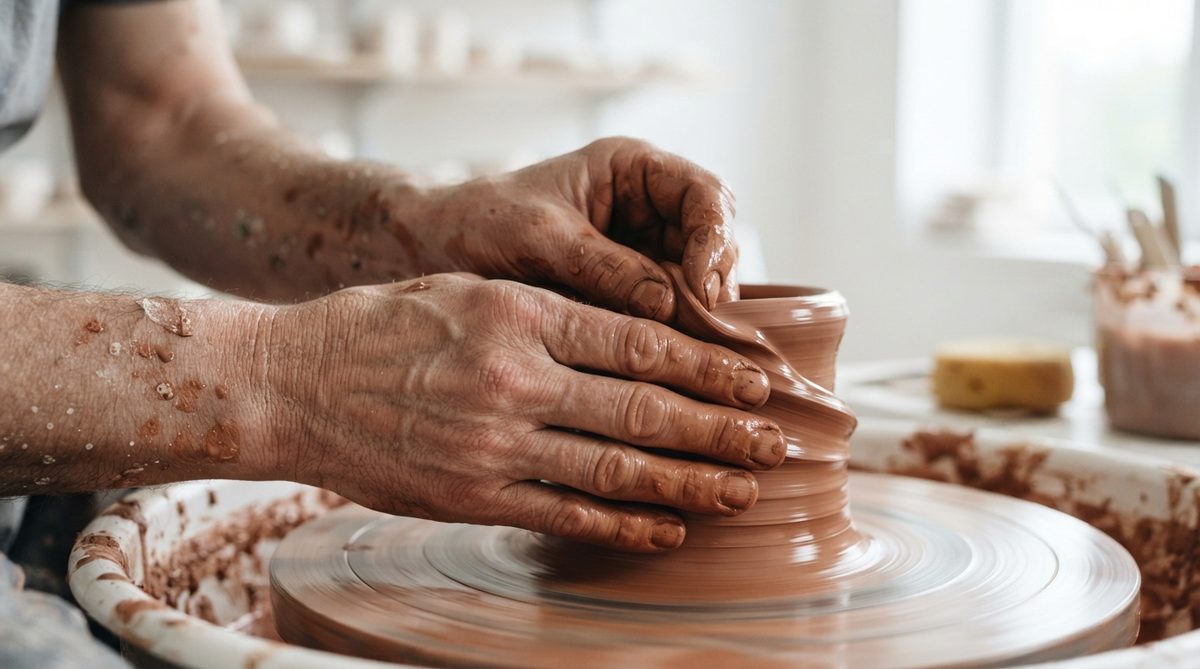
Myth 3: Physical Hobbies Are Too Risky After a Certain Age
This is the myth that makes me the most frustrated because it has the equation exactly backward. The risk isn’t in moving — it’s in not moving.
According to the CDC’s 2023 data on fall-related injuries, the adults at highest risk are those with the least regular physical activity. Sedentary adults over 65 are nearly twice as likely to experience a fall compared to peers who engage in moderate physical hobbies at least three times a week.
What the Evidence Actually Says About Activity and Aging
The fear of injury often leads to a vicious cycle: you stop moving, you lose balance and strength, and then you actually become more injury-prone. Tai chi alone — a gentle, low-impact hobby — reduces fall risk by 19% according to a meta-analysis published in the British Journal of Sports Medicine.
I often tell my readers that the goal isn’t to train for a marathon. It’s to find physical hobbies that are sustainable, enjoyable, and appropriately challenging. Pickleball has exploded among the 55-plus demographic for exactly this reason — it’s social, it’s competitive enough to be engaging, and it’s adaptable to different fitness levels.
- Swimming and water aerobics eliminate joint impact while building cardiovascular endurance
- Cycling (including e-bikes) allows for outdoor exploration with adjustable intensity
- Yoga improves flexibility, balance, and has documented benefits for chronic pain management
- Dance classes — from ballroom to line dancing — combine physical movement with cognitive challenge and social interaction
The key is starting where you are, not where you think you should be. A 2024 study in The Lancet Healthy Longevity found that even beginning a new physical hobby at age 70 or later produced measurable improvements in mobility and cognitive function within six months.
Myth 4: Solo Hobbies Are Just as Good as Social Ones
I love a quiet afternoon with a jigsaw puzzle as much as anyone. Solo hobbies absolutely have value — for stress reduction, mindfulness, and creative expression. But claiming they deliver the same benefits as social engagement is a myth the data simply doesn’t support.
The U.S. Surgeon General’s 2023 advisory on loneliness declared social isolation a public health crisis, noting that prolonged isolation carries health risks equivalent to smoking 15 cigarettes a day. For retirees who’ve lost the built-in social structure of a workplace, hobbies are often the most natural bridge back to regular human connection.
“Adults over 50 who participate in group-based leisure activities at least once a week show a 26% reduction in cognitive decline over five years compared to those who engage in solitary activities alone.” — Global Council on Brain Health, 2023 Report
Making Solitary Hobbies More Social
This doesn’t mean you need to abandon what you love doing alone. It means finding ways to add a communal layer. Read alone, but join a monthly book club to discuss what you’ve read. Garden at home, but swap plants and tips with neighbors or a community garden group. Paint by yourself during the week, but attend a weekend plein air meetup.
The social dimension of retirement hobbies isn’t a bonus feature — it’s a core mechanism through which hobbies deliver their health benefits. What I see most often is that people who understand this distinction are the ones who sustain their hobby engagement for years, not just weeks.
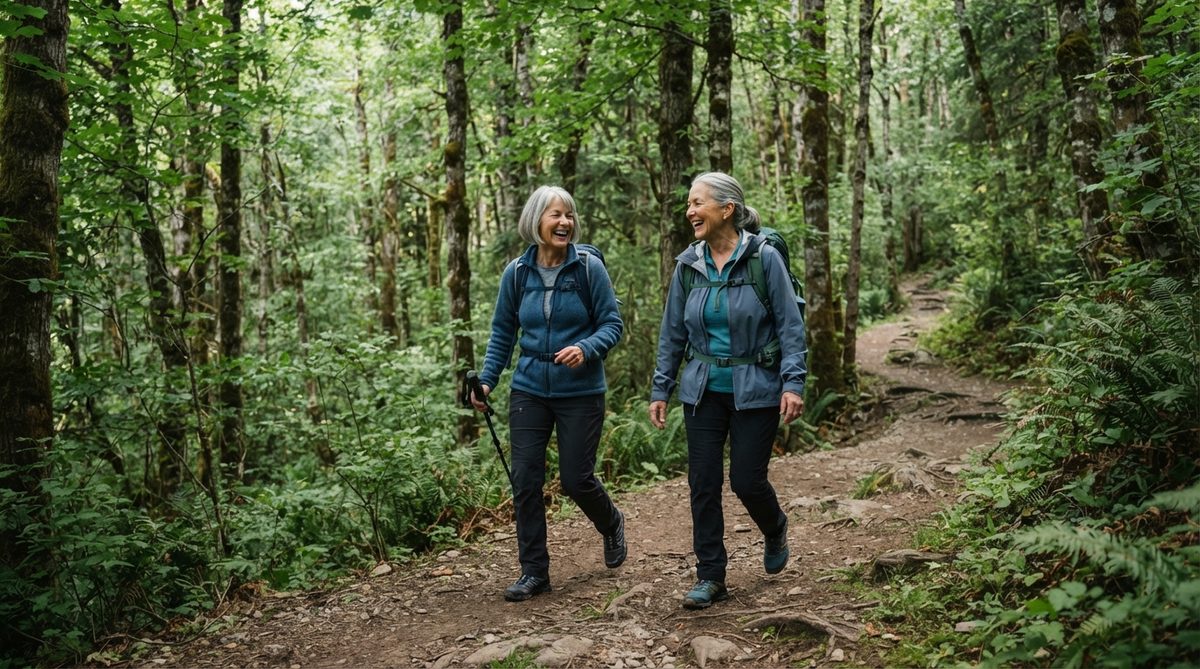
Myth 5: Technology-Based Hobbies Are Only for Younger Generations
The stereotype of the tech-averse retiree is fading fast, but it hasn’t disappeared. And it’s doing real harm by discouraging older adults from some of the most cognitively stimulating hobbies available.
Digital photography, video editing, genealogy research using online databases, learning a language through apps like Duolingo, even casual gaming — these are all hobbies with documented cognitive benefits that happen to involve a screen. A 2023 study from the University of California, Irvine found that older adults who played strategy-based video games for 30 minutes a day showed improvements in attention and multitasking ability within 8 weeks.
Navigating Tech Safely
The legitimate concern isn’t whether older adults can use technology — it’s whether they can do so safely. Online scams specifically targeting older adults have surged, with the FBI’s Internet Crime Complaint Center reporting over $3.4 billion in losses among Americans 60 and older in 2023 alone.
If you’re exploring digital hobbies, pair your enthusiasm with awareness. Our guide on Online Scams Targeting Older Adults: 7 Myths Debunked is a practical starting point for protecting yourself while enjoying everything the digital world offers.
Don’t let someone else’s assumptions about your generation keep you away from tools that can sharpen your mind and expand your world.
Myth 6: It’s Too Late to Start Something New
If there’s one myth I wish I could permanently retire, it’s this one. The belief that there’s an expiration date on learning, growth, and starting fresh is not only wrong — it’s contradicted by an overwhelming body of neuroscience.
The concept of neuroplasticity — the brain’s ability to form new neural connections throughout life — has been one of the most important scientific discoveries of the past 30 years. Your brain at 65 or 75 or 85 is still capable of learning new skills, adapting to new challenges, and building new pathways. It’s slower than at 25? Sure. But it’s far from incapable.
Real People, Real Late Starts
Consider the stories that inspired this article. A 75-year-old living out of a backpack and traveling the world. A 53-year-old retiree discovering slow travel in Bali and rethinking everything she thought she knew. As Travel + Leisure has documented extensively, the fastest-growing segment of long-term travelers is adults over 60.
I’ve interviewed retirees who picked up the piano at 68, learned watercolor painting at 72, started a podcast at 77, and began competitive swimming at 80. Not a single one of them said, “I wish I hadn’t tried.” Every single one said some version of: “I only wish I’d started sooner.”
- Grandma Moses began painting seriously at 78 and became one of America’s most celebrated folk artists
- The average age of new pickleball players in the U.S. is 57, with rapid growth in the 65-plus bracket
- Community college enrollment among adults 55 and older increased 12% between 2019 and 2023
How to Actually Build a Hobby Practice That Lasts
Knowing that the myths are wrong is step one. Building a sustainable hobby practice is step two, and it requires a slightly different mindset than most people expect.
Start With 15 Minutes, Not an Hour
The research on habit formation consistently shows that small, consistent commitments beat ambitious schedules that fizzle out. Try a new activity for 15 minutes a day, three days a week. If it hooks you, expand. If it doesn’t, rotate to something else without guilt.
Connect Your Hobby to Your Identity, Not Your Schedule
“I’m a person who paints” is more powerful than “I paint on Tuesdays.” Identity-based habits are more resilient, according to behavioral psychologist James Clear’s research. When a hobby becomes part of who you are, it survives schedule disruptions, health setbacks, and seasonal changes.
Budget for It — Even Modestly
Even free hobbies have indirect costs: transportation to a group meetup, proper shoes for walking, a library card replacement fee. Building a small hobby budget into your retirement finances keeps these activities sustainable. If your budget feels tight, 7 Ways to Close the Retirement Income Gap in 2026 offers concrete strategies for creating breathing room.
The Bottom Line: Retirement Hobbies Are Medicine, Not Leisure
I don’t say that metaphorically. The evidence base for hobby engagement as a tool for cognitive preservation, physical health, emotional resilience, and social connection is now robust enough that some geriatricians are formally prescribing leisure activities alongside medication and physical therapy.
The myths I’ve outlined above — that you need one perfect hobby, that it costs too much, that physical activity is too risky, that going solo is fine, that tech isn’t for you, that it’s too late — are barriers built on outdated thinking. Every single one of them crumbles under scrutiny.
So here’s my challenge to you: pick one hobby myth you’ve been believing, and disprove it this week. Try the thing you’ve been putting off. Join the group you’ve been eyeing. Sign up for the class. Start the walk.
Your brain and body aren’t waiting for permission. They’re waiting for the signal to grow.
About Jennifer Adams, 16 Years in Lifestyle Journalism
Jennifer Adams is a lifestyle journalist with 16 years of experience writing about travel, hobbies, relationships, home life, and the art of aging well. She has contributed to national publications focused on the interests and aspirations of adults over 50 — from budget-friendly travel destinations to rediscovering hobbies in retirement. At Daily Trends Now, Jennifer writes warm, practical articles that celebrate life after 50 and help readers make the most of every chapter.