

A Health Coverage Crisis Is Hitting American Seniors Hard
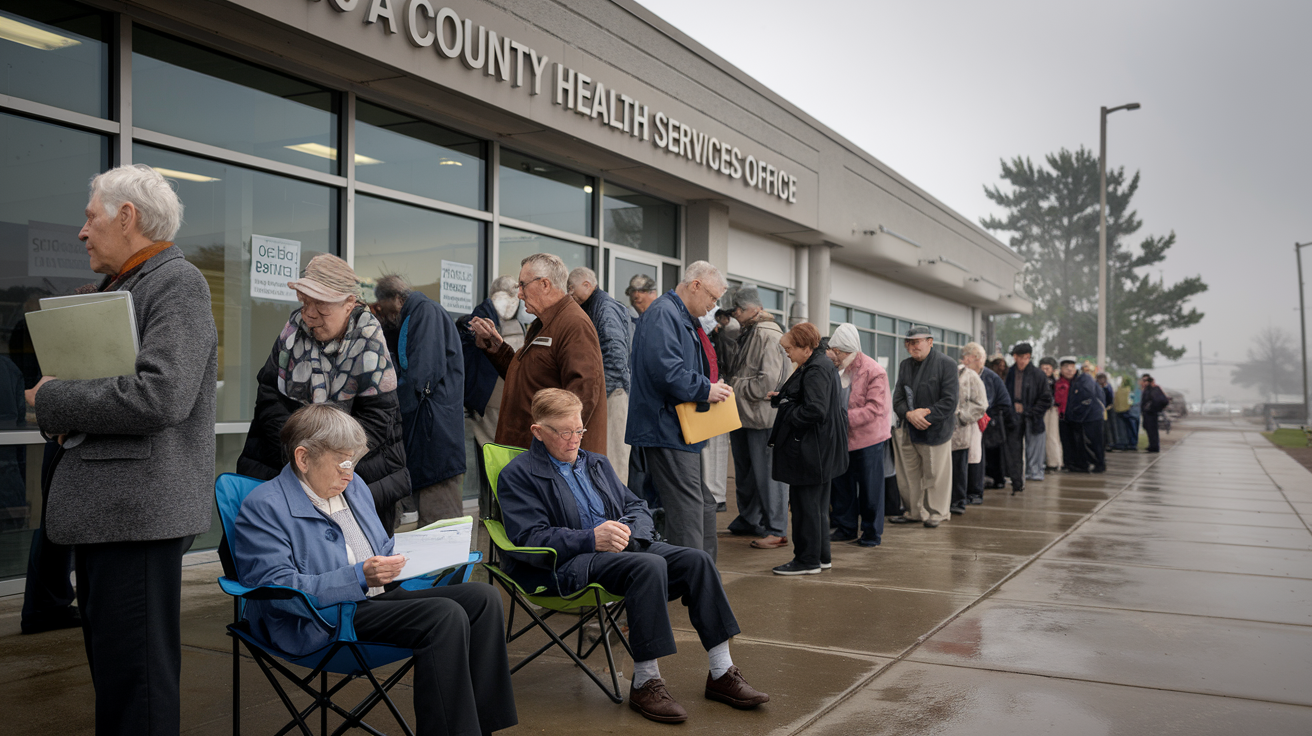
If you or someone you love has recently received a notice that your health care coverage has been reduced, changed, or eliminated entirely, you are not alone. Across the United States, millions of seniors have suddenly lost health care coverage due to a perfect storm of policy changes, budget cuts, and administrative decisions that have left older Americans scrambling for answers.
This isn’t a distant policy debate. It’s happening right now, in living rooms and mailboxes across the country. And for seniors who depend on consistent medical care, the consequences can be devastating.
What’s Behind the Loss of Health Care Coverage for Seniors?
Several converging factors have created this crisis. First, the unwinding of pandemic-era Medicaid protections — known as “continuous enrollment” provisions — has triggered massive eligibility reviews across every state. During the COVID-19 emergency, states were prohibited from removing anyone from Medicaid rolls. When that protection expired, states began reassessing eligibility, and millions of people, including a significant number of older adults, were dropped from coverage.
According to the Centers for Disease Control and Prevention (CDC), approximately 60 million Americans rely on Medicaid, and adults over 65 represent one of the most vulnerable populations affected by coverage disruptions.
Second, changes to Medicare Advantage plans have left many seniors with fewer options. Some insurers have pulled out of certain markets or reduced benefits, forcing retirees to find new plans — often with higher out-of-pocket costs or narrower provider networks.
How Many Seniors Are Affected?
The numbers are staggering. Estimates suggest that millions of older Americans have experienced some form of coverage disruption since early 2024. Many didn’t even realize they’d been disenrolled until they tried to fill a prescription or schedule a doctor’s appointment.
For seniors living on fixed incomes, even a brief gap in coverage can mean skipping medications, postponing necessary procedures, or accumulating medical debt that takes years to resolve. As we’ve reported, inflation is already forcing seniors to deplete retirement savings faster, and unexpected medical expenses only accelerate that dangerous trend.
The Real-World Impact on Older Adults
Losing health care coverage isn’t just an administrative inconvenience. For seniors managing chronic conditions like diabetes, heart disease, arthritis, or cognitive decline, it can be life-threatening.
The National Institute on Aging emphasizes that consistent access to health care is one of the most critical factors in maintaining quality of life as we age. Regular check-ups, preventive screenings, and ongoing medication management are not luxuries — they are necessities.
Prescription Drug Access Is at Risk
One of the most immediate consequences of losing coverage is the inability to afford prescription medications. Many seniors take multiple daily medications, and without insurance, the costs can be overwhelming. A single month’s supply of a common diabetes medication can exceed $500 without coverage.
Mental Health Takes a Hit
The stress and anxiety of losing health care coverage also takes a serious toll on mental health. Older adults who feel uncertain about their ability to access medical care report higher levels of depression, insomnia, and social withdrawal. According to Mayo Clinic research, chronic stress in older adults is linked to worsened cardiovascular health, weakened immune response, and accelerated cognitive decline.
What You Can Do Right Now to Protect Yourself
If you’ve lost health care coverage — or you’re worried you might — here are concrete steps you can take today:
- Check your mail carefully. Notices about eligibility changes often arrive in plain envelopes that look like junk mail. Open everything from your state’s Medicaid office or your insurance provider.
- Contact your State Health Insurance Assistance Program (SHIP). Every state has free counselors who can help seniors understand their coverage options. Call 1-800-MEDICARE (1-800-633-4227) to find your local SHIP office.
- Review Medicare open enrollment options. If your Medicare Advantage plan has changed, you may be eligible for a Special Enrollment Period that allows you to switch plans outside the normal window.
- Apply for Extra Help. Medicare’s Extra Help program assists with prescription drug costs. Even if you were denied before, changes in your coverage status may now make you eligible.
- Don’t skip medications. Talk to your doctor or pharmacist about generic alternatives, patient assistance programs from pharmaceutical manufacturers, or community health center resources that offer sliding-scale fees.
The Financial Pressure Compounds the Problem
This health coverage crisis doesn’t exist in a vacuum. Seniors are already grappling with rising costs on nearly every front. As we’ve covered, higher Medicare costs in 2026 are projected to squeeze budgets even further. When you combine increasing premiums with lost coverage, the financial picture becomes genuinely alarming.
Many retirees are also learning that 62% of retirees don’t know how long their money will last — and an unexpected medical expense can dramatically shorten that timeline.

Why This Issue Demands Urgent Attention
Health care coverage for seniors isn’t just a personal issue — it’s a societal one. When older adults lose access to preventive care, they end up in emergency rooms, which costs the health care system far more. When they can’t afford medications, manageable conditions become emergencies. When they live in fear of medical bills, their overall health deteriorates.
Advocacy organizations are pushing for stronger protections, smoother transitions during eligibility reviews, and better communication from state agencies. But in the meantime, individual seniors and their families need to be proactive.
Talk to Your Family — Don’t Face This Alone
If you’re a senior navigating this confusing landscape, please talk to someone. Whether it’s a family member, a trusted friend, or a professional counselor at your local Area Agency on Aging, you don’t have to figure this out by yourself.
If you’re an adult child of aging parents, now is the time to have an honest conversation about their health coverage status. Many seniors are too proud or too confused to ask for help — but a simple phone call could prevent a catastrophic gap in care.
The Bottom Line
Millions of seniors have lost health care coverage at a time when they need it most. The causes are complex, but the solutions start with awareness and action. Review your coverage, know your rights, and reach out for help if something doesn’t look right. Your health — and your peace of mind — depend on it.
Stay informed with Daily Trends Now as we continue tracking the policies, changes, and resources that matter most to American seniors. Your well-being is always our priority.