

Why Seniors Are Losing Their Retirement Savings Faster Than Ever
If your retirement savings seem to be disappearing faster than you expected, you’re not imagining things. A hidden inflation risk is quietly eating away at the nest eggs of millions of American retirees — and most don’t realize it until the damage is done.
While official inflation numbers have cooled slightly from their 2022 peaks, the prices that matter most to seniors — healthcare, groceries, housing, and utilities — remain stubbornly high. This disconnect between headline inflation and the real cost of retirement is creating a financial crisis that’s hitting older Americans the hardest.
According to recent surveys, older adults are depleting their retirement savings far earlier than expected. For many, the dream of a comfortable, worry-free retirement is slipping away one grocery bill at a time.
What Is the Hidden Inflation Risk?
The hidden inflation risk refers to the gap between the general Consumer Price Index (CPI) and the actual spending patterns of retirees. The Bureau of Labor Statistics tracks a special index called the CPI-E (Consumer Price Index for the Elderly), which measures price changes for households headed by people 62 and older.
Historically, the CPI-E runs higher than the standard CPI. Why? Because seniors spend a disproportionate share of their income on healthcare and housing — two categories where prices have consistently outpaced overall inflation. As Investopedia explains, this means the real purchasing power of retirees erodes faster than government adjustments account for.
Here’s the painful truth: even when Social Security’s Cost-of-Living Adjustment (COLA) provides an increase, it often doesn’t keep pace with the prices seniors actually pay. The Social Security Administration recently announced a 2.8 percent benefit increase for 2026, but many financial experts warn that this modest bump won’t cover rising costs in the categories that matter most to retirees.
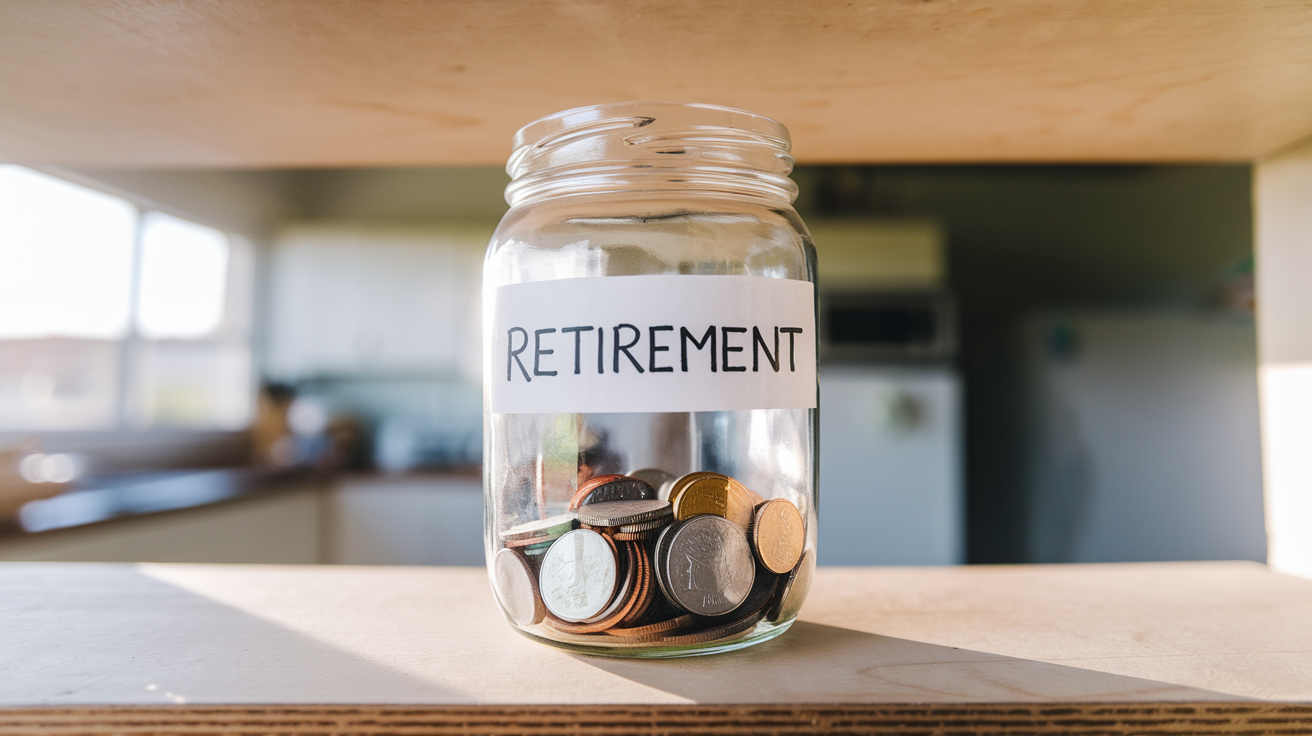
How This Silent Threat Is Draining Retirement Accounts
The math is simple but devastating. If your expenses rise by 5-6 percent annually in areas like prescription drugs, Medicare premiums, and home maintenance, but your income only grows by 2-3 percent, you’re falling behind every single year.
Over a 20- or 30-year retirement, this compounding gap can drain hundreds of thousands of dollars from your savings. It’s the reason why inflation is forcing seniors to deplete retirement savings faster than any previous generation anticipated.
Consider these real-world impacts:
- Healthcare costs: The average 65-year-old couple now needs an estimated $315,000 to cover healthcare expenses in retirement — a figure that rises every year.
- Grocery prices: Food-at-home costs have surged over 25 percent since 2020, with no signs of returning to pre-pandemic levels.
- Housing and utilities: Property taxes, insurance premiums, and energy bills continue climbing, squeezing fixed-income budgets.
- Medicare premiums: Part B premiums and out-of-pocket costs keep rising, often absorbing much of the annual COLA increase before retirees see a dime of extra spending money.
As financial planner William Bengen — the man who invented the famous 4% rule of retirement withdrawals — recently stated, inflation is retirees’ “greatest enemy.” If you want to understand why, read our in-depth look at how inflation is retirees’ greatest enemy and how to protect your savings.
Why the 2026 COLA Won’t Be Enough
The 2.8 percent COLA for 2026 sounds like good news on the surface. But when you factor in rising Medicare premiums, higher supplemental insurance costs, and continued price increases at the pharmacy and supermarket, many retirees will actually have less purchasing power next year — not more.
This is a pattern that has repeated itself for years. The COLA is calculated using the CPI-W, which tracks spending patterns of urban wage earners — not retirees. Advocacy groups have long argued that using the CPI-E would produce fairer adjustments for seniors, but Congress has yet to make that change.
And the outlook beyond 2026 isn’t encouraging either. Early estimates for the 2027 COLA suggest retirees won’t be happy with what’s coming. Planning ahead has never been more important.
5 Ways to Protect Your Retirement Savings From the Hidden Inflation Risk
The good news is that while you can’t control inflation, you can take concrete steps to minimize its impact on your financial security. Here are five strategies every retiree should consider.
1. Review Your Budget With “Real” Inflation in Mind
Don’t rely on headline inflation numbers. Track your actual spending increases in healthcare, food, and housing. This gives you an honest picture of how fast your savings need to last — and where you might cut back strategically.
2. Consider Treasury Inflation-Protected Securities (TIPS)
TIPS are government bonds specifically designed to keep pace with inflation. They adjust their principal value based on the CPI, providing a built-in hedge against rising prices. They’re one of the safest ways to protect a portion of your portfolio.
3. Maximize Your Social Security Benefits
If you haven’t claimed yet, delaying benefits until age 70 can increase your monthly check by up to 32 percent compared to claiming at 66. Since COLA increases are applied to your base benefit, a larger base means more dollars with each annual adjustment. Stay informed about upcoming changes by reading about Social Security changes in 2026 that seniors must know now.
4. Review Your Medicare Coverage Annually
Healthcare is the biggest inflation driver for retirees. During open enrollment each fall, compare Medicare Advantage plans, Part D prescription drug plans, and Medigap policies. Even small savings on premiums or copays add up over time. Be aware of the higher Medicare costs coming in 2026 so you can plan accordingly.
5. Stay Active and Healthy to Reduce Long-Term Costs
This might sound surprising in a finance article, but your health is your greatest financial asset in retirement. Preventive care, regular exercise, and a strong social network can dramatically reduce medical expenses over time. Research confirms that aging doesn’t mean decline for most seniors — and healthy habits can translate directly into financial savings.

Don’t Let the Hidden Inflation Risk Catch You Off Guard
The hidden inflation risk isn’t dramatic or sudden. It doesn’t make front-page headlines. Instead, it works slowly and silently, eroding your purchasing power month after month, year after year, until you look at your retirement account and wonder where it all went.
But knowledge is power. By understanding how inflation uniquely affects retirees, reviewing your finances regularly, and making smart adjustments to your investment and spending strategies, you can fight back against this invisible threat.
Your retirement savings took decades to build. Don’t let the hidden inflation risk drain them away without a fight. Start reviewing your plan today — and make sure your money works as hard in retirement as you did earning it.