The Myth of Inevitable Decline Is Being Shattered
For decades, we’ve been told that getting older means slowing down, losing our edge, and watching our health deteriorate year after year. It’s a narrative that’s been repeated so often that many seniors have simply accepted it as fact.
But a groundbreaking new study is turning that assumption on its head. Researchers have found that many older adults actually improve with age — not just maintaining their health, but genuinely getting better in key areas of physical and cognitive function. If you’ve ever felt like your best days are behind you, this research might just change your mind.
What the New Research Actually Found
The study, which tracked thousands of older adults over several years, revealed something remarkable. Rather than following a universal path of decline, participants showed highly individual trajectories. A significant number of older adults improved over time in areas like mental health, emotional regulation, life satisfaction, and even certain cognitive functions.
According to the National Institute on Aging, aging is far more complex than a simple downhill slope. Factors like social engagement, physical activity, purpose, and nutrition play enormous roles in determining whether someone thrives or declines in their later years.
The takeaway is powerful: aging does not automatically mean decline. Many older adults improve with age when they have the right habits, support systems, and mindset in place. For a deeper look at this encouraging research, read our full coverage: New Study Finds Many Older Adults Improve With Age, Not Decline.
Why Some Seniors Actually Get Better With Age
So what separates those who improve from those who struggle? Researchers have identified several key factors that contribute to what scientists call “successful aging” or becoming a “super ager.”
1. Emotional Wisdom Grows Stronger
One of the most consistent findings is that emotional intelligence and resilience tend to increase with age. Older adults are often better at managing stress, resolving conflicts, and finding joy in everyday moments. This isn’t just anecdotal — brain imaging studies confirm that seniors process negative emotions differently, often with greater calm and perspective.
2. Social Connections Matter More Than Ever
Seniors who maintain strong social ties — whether through family, community groups, volunteering, or friendships — consistently show better health outcomes. Loneliness and isolation, on the other hand, are linked to cognitive decline, heart disease, and depression. Staying connected isn’t just nice; it’s medically important.
3. Physical Activity Is a Game-Changer
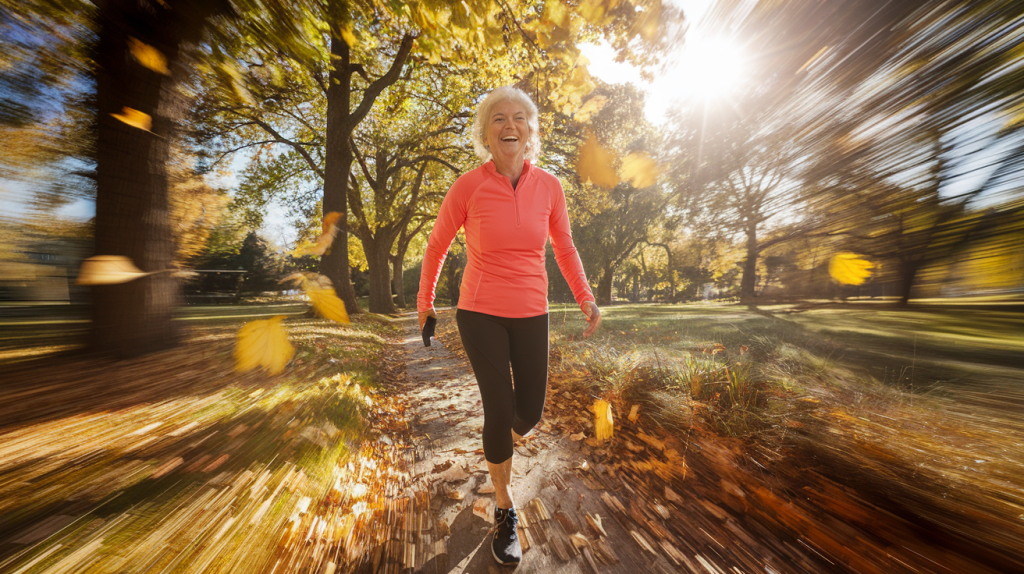
You don’t need to run marathons. Regular walking, gentle stretching, swimming, or gardening can dramatically improve both physical and mental health. The Mayo Clinic reports that even moderate exercise in older adults can improve balance, reduce fall risk, boost mood, and support brain health.
The “Super Ager” Phenomenon
The concept of “super agers” has captured national attention. These are adults in their 70s, 80s, and beyond who demonstrate cognitive and physical abilities comparable to people decades younger. And the exciting news? Their habits aren’t extraordinary — they’re achievable.
Super agers tend to share common traits: they stay physically active, challenge their brains regularly, eat nutrient-rich diets, maintain strong social bonds, and approach life with curiosity rather than fear. Want to learn their specific strategies? We broke them down here: 5 Super Ager Secrets to Living a Healthier Life After 60.
What’s remarkable is that many older adults improve with age precisely because they’ve learned from a lifetime of experience. They know what works for their bodies, they’ve shed unhealthy habits, and they’ve developed coping strategies that younger people haven’t yet mastered.
Nutrition and Supplements: Fueling a Better Aging Process
Diet plays a critical role in how well we age. Research consistently shows that diets rich in omega-3 fatty acids, antioxidants, whole grains, and lean proteins support brain health, joint function, and cardiovascular wellness.
Interestingly, recent studies have also explored the role of multivitamins in slowing the biological aging process. Some research suggests that daily multivitamin use may help protect cellular health in seniors. For more on this topic, check out: Multivitamins May Slow Biological Aging in Older Adults.
The Healthline medical team recommends that seniors focus on anti-inflammatory foods like leafy greens, berries, nuts, and fatty fish. These dietary choices can reduce chronic inflammation — one of the primary drivers of age-related disease.
Mental Health Improvements Are Real
Perhaps the most surprising finding is that many seniors report better mental health than they experienced in middle age. Rates of anxiety and depression can actually decrease in later life as people develop stronger emotional regulation skills and release the pressures of career and child-rearing.
This doesn’t mean mental health challenges disappear — grief, loneliness, and health anxieties are real. But the overall trend shows that older adults are often more content, more grateful, and more at peace than their younger counterparts.
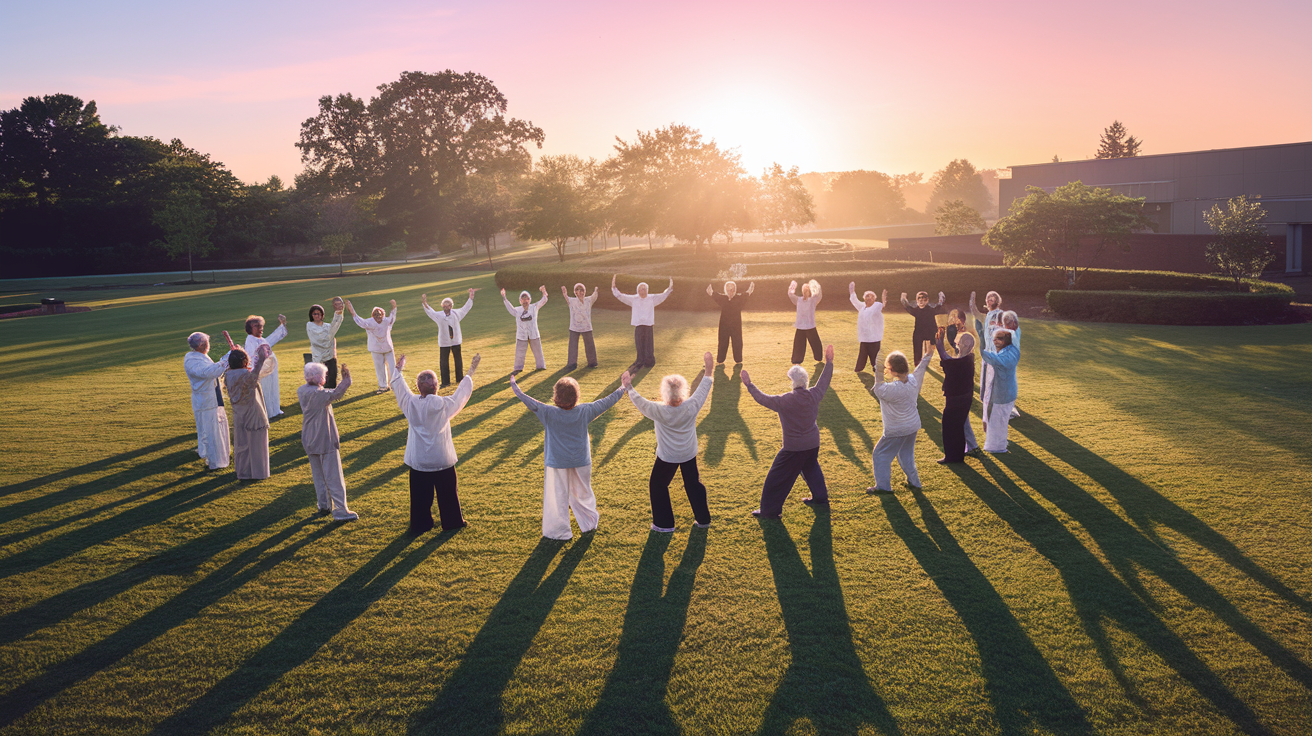
Practical Steps to Improve as You Age
If you’re inspired by the idea that your best years may still be ahead of you, here are evidence-based steps you can take today:
- Move your body daily. Even 20-30 minutes of walking can make a measurable difference in your physical and cognitive health.
- Stay socially engaged. Call a friend, join a club, volunteer, or attend community events regularly.
- Challenge your brain. Read, do puzzles, learn a new skill, or take a class. Mental stimulation builds cognitive reserve.
- Eat for longevity. Focus on whole, nutrient-dense foods and stay hydrated throughout the day.
- Prioritize sleep. Quality sleep is essential for memory consolidation, immune function, and emotional well-being.
- See your doctor regularly. Preventive care and early detection remain critical tools for healthy aging.
- Cultivate purpose. Having something to look forward to — a project, a goal, a passion — is strongly linked to longevity.
A New Chapter, Not a Final One
The old story about aging was simple and bleak: everything goes downhill. But science is rewriting that narrative with compelling evidence that many older adults improve with age in meaningful, measurable ways.
This doesn’t mean aging is without challenges. Health concerns, financial pressures, and loss are real parts of the journey. But the overwhelming message from current research is one of hope: your later years can be some of your richest, most fulfilling, and even healthiest years — if you invest in the habits and connections that matter.
So the next time someone suggests that aging only means decline, you can point them to the science. Because for millions of American seniors, getting older is getting better.