
The Myth of Inevitable Decline Is Being Shattered
For decades, society has told us that getting older means slowing down, losing our sharpness, and gradually falling apart. But a groundbreaking new study is turning that tired narrative on its head — and the findings should give every senior in America a reason to smile.
According to recent research highlighted by the National Institute on Aging, many older adults actually improve in key areas of health and well-being as they age. That’s right — aging doesn’t have to mean decline. For a significant number of people over 60, life is getting better, not worse.
This is more than just feel-good news. It’s a science-backed shift in how we understand what it means to grow older in America. And if you’re a senior who has been dreading each passing birthday, this article may change your entire outlook.
What the Study Actually Found
The study, which tracked thousands of older adults over several years, measured physical health, cognitive function, emotional well-being, and social engagement. While some participants did experience the expected age-related challenges, a surprisingly large group showed measurable improvements in multiple areas.
Researchers found that many older adults reported better emotional regulation, stronger feelings of life satisfaction, and even improvements in certain cognitive abilities like wisdom-based decision-making. Some participants also showed stable or improved physical function when they maintained active lifestyles.
The takeaway is clear: aging is not a one-way street toward decline. Your trajectory depends heavily on the choices you make, the support systems you build, and the mindset you carry into your later years.
Why Do Some Older Adults Improve Over Time?
So what separates seniors who thrive from those who struggle? The study pointed to several key factors that contribute to positive aging outcomes.
1. Staying Physically Active
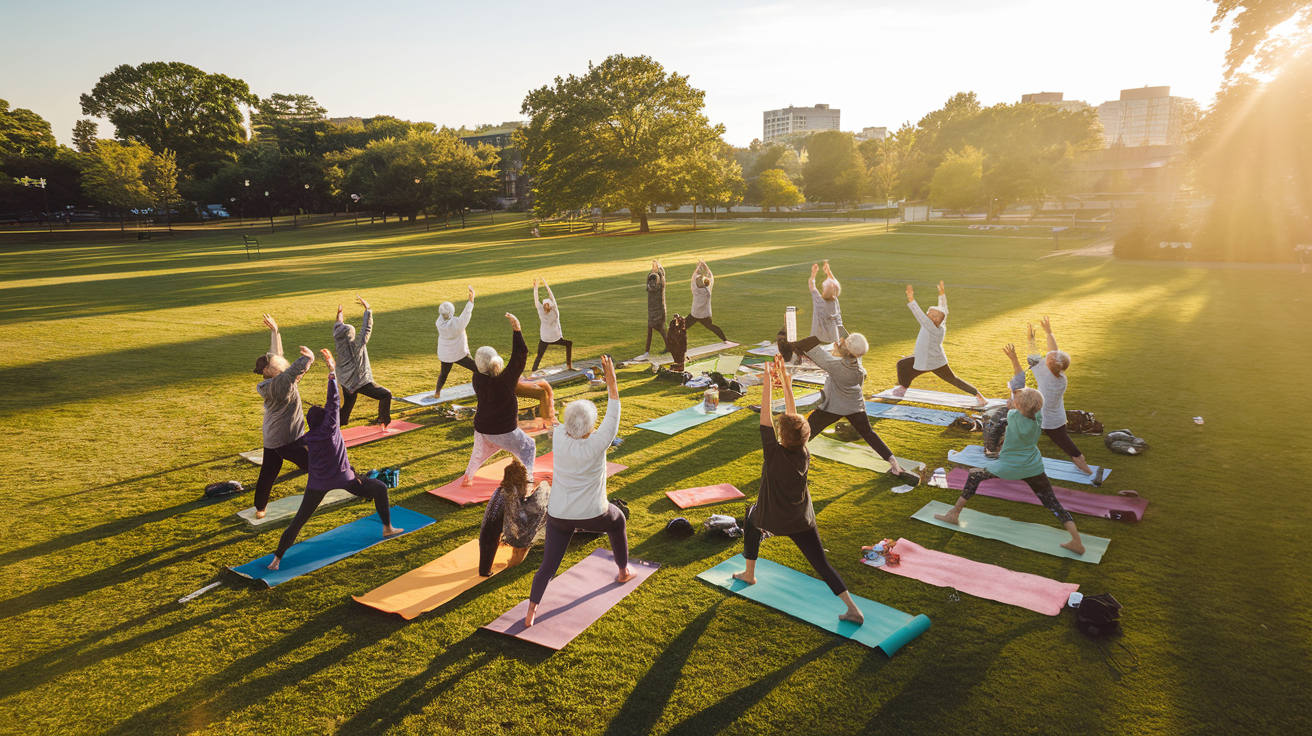
This one probably doesn’t surprise you, but the data is overwhelming. Seniors who engaged in regular physical activity — even moderate exercise like walking, swimming, or gardening — showed significantly better outcomes across nearly every health metric. The CDC recommends that adults 65 and older get at least 150 minutes of moderate-intensity aerobic activity per week, along with muscle-strengthening activities on two or more days.
You don’t need to run marathons. Consistency matters far more than intensity. A daily 30-minute walk can be transformative for both body and mind.
2. Maintaining Social Connections
Loneliness is one of the greatest health threats facing American seniors today. The study confirmed that older adults who maintained strong social ties — through family, friends, community groups, or volunteer work — experienced slower cognitive decline and better emotional health.
Human connection isn’t just nice to have. It’s a biological necessity. If you’ve been feeling isolated, even small steps like joining a local club or calling a friend weekly can make a real difference.
3. Embracing a Positive Mindset
Here’s where the research gets truly fascinating. Seniors who held positive perceptions about aging actually lived longer and healthier lives than those who viewed aging negatively. This isn’t wishful thinking — it’s documented science. Your beliefs about getting older literally shape your health outcomes.
The study found that older adults who saw aging as a time of growth, wisdom, and opportunity were more likely to engage in healthy behaviors, seek medical care when needed, and bounce back from setbacks. If you’ve been absorbing negative messages about aging from media or culture, it may be time to consciously reject them.
4. Proper Nutrition and Supplementation
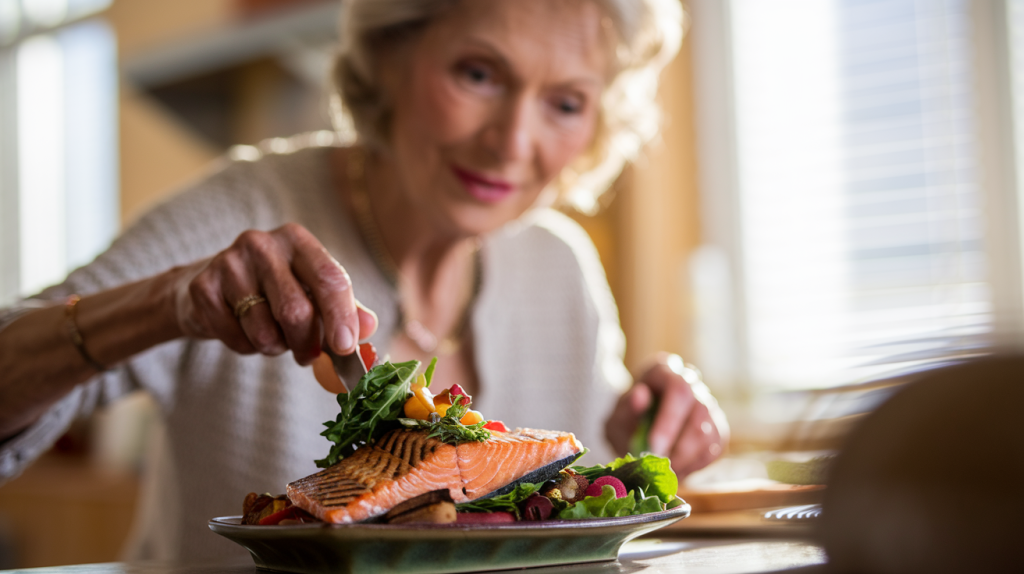
What you put into your body matters enormously as you age. The study’s participants who improved over time tended to eat balanced diets rich in fruits, vegetables, lean proteins, and whole grains. According to the Mayo Clinic, proper nutrition in older adults can help prevent chronic diseases, maintain muscle mass, and support brain health.
Interestingly, some emerging research also suggests that supplementation may play a role. If you’re curious about how vitamins might support healthy aging, check out our coverage on how multivitamins may slow aging in seniors, according to a new study.
The “Super Ager” Connection
This new research aligns perfectly with what scientists have been learning from so-called “super agers” — people in their 70s, 80s, and beyond who maintain the mental sharpness and physical vitality of people decades younger.
Super agers share common habits: they challenge their brains regularly, stay physically active, maintain deep social relationships, and approach life with curiosity rather than fear. These aren’t genetic lottery winners — they’re people who made deliberate choices that paid off over time. We recently explored this topic in depth in our article on 5 super ager secrets to living a healthier life after 60.
The encouraging message from both the super ager research and this new study is the same: it’s never too late to start improving. Even small changes made in your 70s or 80s can yield meaningful health benefits.
What This Means for Aging in Place
Many American seniors want to age in place — to stay in their own homes as long as possible. This study offers real hope for that goal. If aging doesn’t automatically mean decline, then with the right lifestyle choices and support systems, staying independent at home becomes far more achievable.
Of course, aging in place also requires financial stability. With rising costs affecting everything from groceries to healthcare, it’s important to protect your nest egg. If inflation has you worried, you may want to read about how retirement savings are draining faster due to inflation in 2025.
Practical Steps You Can Take Starting Today
Inspired by the study’s findings? Here are actionable steps you can begin immediately to put yourself on a positive aging trajectory:
- Move your body daily. Walk, stretch, swim, dance — anything that gets you moving for at least 30 minutes.
- Connect with others. Call a friend, join a group, or volunteer in your community at least once a week.
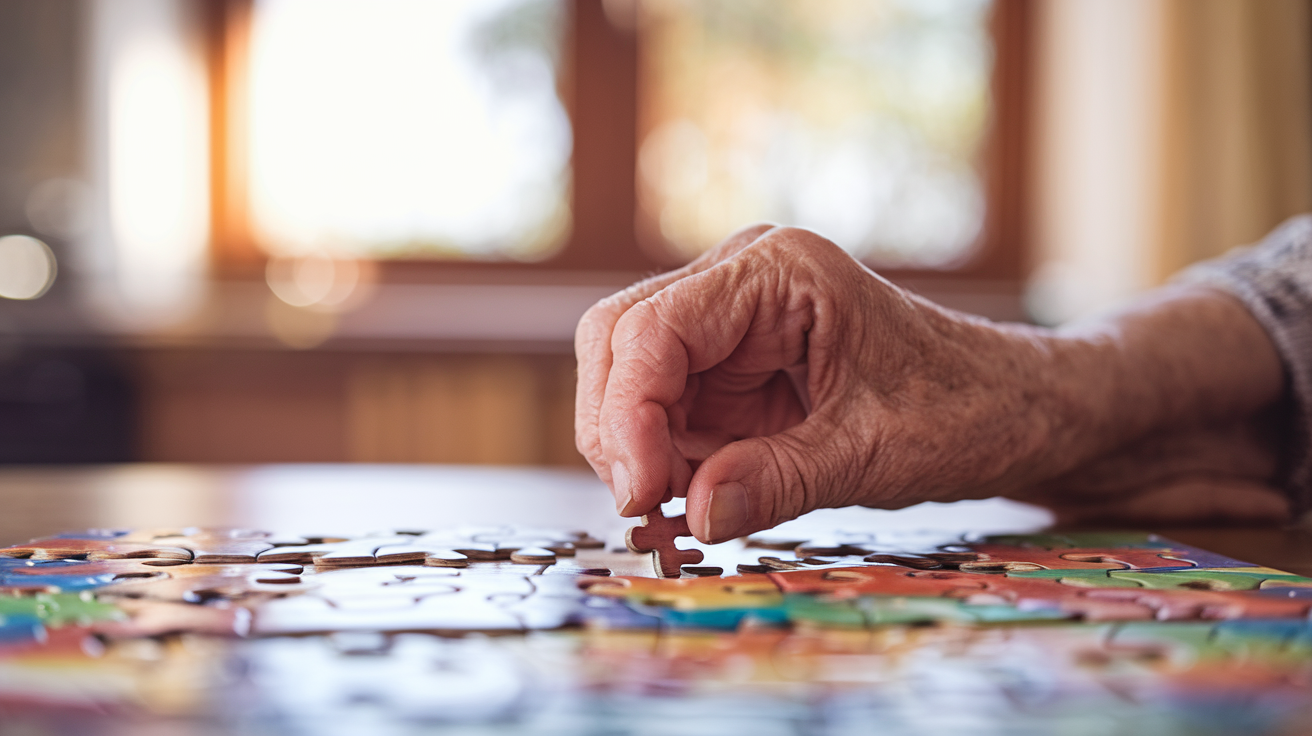
- Feed your brain. Read books, do puzzles, learn a new skill, or take a free online class.
- Eat well. Prioritize whole foods, stay hydrated, and talk to your doctor about any nutritional gaps.
- Reframe your thinking. Challenge negative beliefs about aging. Remind yourself that growth is possible at every age.
- Stay on top of preventive care. Regular checkups, screenings, and vaccinations are essential for catching problems early.
The Bottom Line: Your Best Years May Still Be Ahead
This study sends a powerful and hopeful message to millions of American seniors: aging does not have to mean decline. With the right habits, attitudes, and support, many older adults are not just maintaining their health — they’re actually getting better.
So the next time someone tells you it’s all downhill from here, you can tell them science says otherwise. Your age is not your destiny. Your choices are. And the best part? It’s never too late to start making better ones.
You’ve spent a lifetime building wisdom and resilience. Now it’s time to put those strengths to work — not just to survive your later years, but to truly thrive in them.