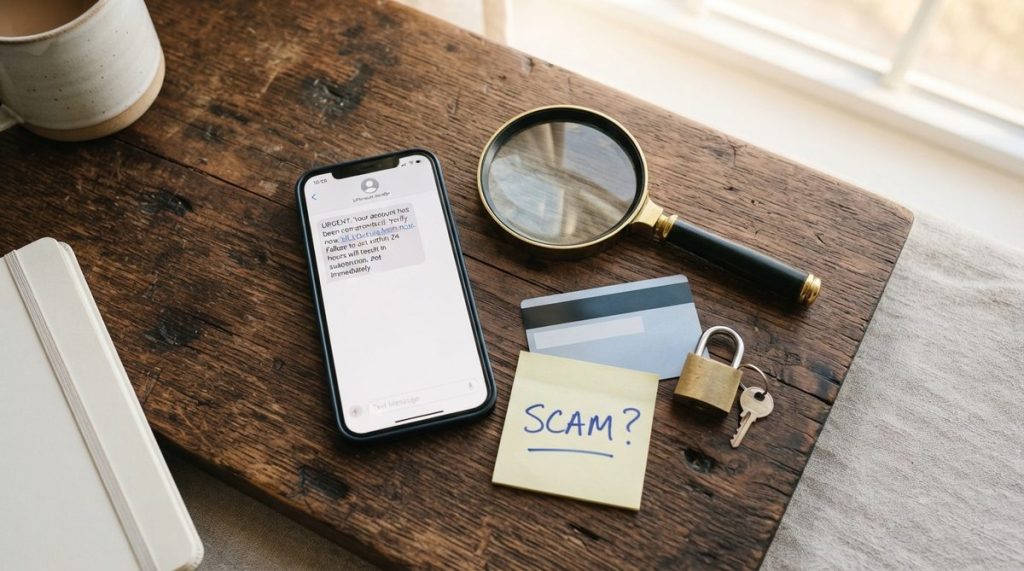

The Phone Call That Almost Cost Everything
Imagine you’re a 67-year-old retiree enjoying a quiet Tuesday morning when your phone buzzes. The text looks official — it says it’s from your bank, warning that suspicious activity has been detected on your account. There’s a link to “verify your identity.” Your heart races. You almost tap it. But something feels slightly off: the URL doesn’t quite match your bank’s website, and the message has a strange sense of urgency you’ve never seen in legitimate bank communications.
That moment of hesitation? It could save thousands of dollars. Unfortunately, millions of Americans over 50 don’t get that pause — or don’t know what to look for — and the consequences are devastating. Financial scams targeting older adults have reached crisis-level proportions in the United States, and the tactics are evolving faster than most people realize.
This article breaks down the most common and dangerous scams circulating right now, explains why adults over 50 are disproportionately targeted, and provides concrete, actionable steps to protect your money, your data, and your peace of mind.
The Staggering Scale of Elder Financial Fraud
According to the Federal Trade Commission, consumers reported losing more than $12.5 billion to fraud in 2024, with older adults consistently among the hardest-hit demographics. The FBI’s Internet Crime Complaint Center (IC3) reported that Americans over 60 lost $3.4 billion to cyber-enabled fraud in 2023 alone — a 11% increase from the prior year. And those are only the reported cases; experts estimate the true figure is significantly higher because many victims never come forward.
Why the silence? Shame plays a role. So does fear — fear of being seen as incompetent, fear of losing financial independence, and fear that family members will intervene. Scammers know this and exploit it ruthlessly.
Why Are Older Adults Targeted?
It’s not about intelligence or gullibility. Several structural factors make adults over 50 attractive targets for fraudsters:
- Accumulated wealth: Retirees often have significant savings, home equity, and steady income from Social Security or pensions — exactly what scammers are after.
- Digital adoption without digital fluency: Technology use among older adults is surging — AARP reports that 75% of adults over 50 now own smartphones — but many didn’t grow up navigating the internet’s darker corners. The gap between adoption and security awareness is where scammers operate.
- Politeness and trust: Generational norms around courtesy mean many older adults are less likely to hang up on a caller, ignore an official-looking message, or question someone claiming to represent authority.
- Social isolation: Living alone or having limited daily social contact can make people more vulnerable to scammers who build relationships over time, a tactic known as “grooming.”
Understanding these factors isn’t about assigning blame — it’s about recognizing the landscape so you can navigate it more safely.
The Five Most Dangerous Scams Right Now
Fraud tactics shift constantly, but certain schemes have proven especially effective — and especially harmful — against older adults in 2025 and 2026. Here are the ones you need to know about.
The Impersonation Scam: Government Agencies and Banks
This is the most widespread category. A caller, text message, or email claims to be from the IRS, Social Security Administration, Medicare, your bank, or even local law enforcement. The message warns of a problem — unpaid taxes, a compromised account, a warrant for your arrest — and demands immediate action.
The scammer may “spoof” a legitimate phone number so your caller ID actually displays the agency’s real number. They may know your name, address, and the last four digits of your Social Security number (often obtained from previous data breaches). They’ll pressure you to act fast, transfer money, or share personal information before you have time to think.
The red flag: Legitimate government agencies almost never initiate contact by phone demanding immediate payment. The IRS communicates primarily by mail. Social Security will not threaten to suspend your benefits over the phone. If someone claims to represent an agency and demands immediate action, hang up and call the agency directly using the number on their official website.
The Romance or Companionship Scam
This one is particularly cruel. Scammers create fake profiles on dating sites, social media platforms, or even online game communities. They invest weeks or months building an emotional connection — asking about your life, showing interest, offering companionship. Then, inevitably, a crisis emerges: a medical emergency, a stranded travel situation, a business deal gone wrong. They need money. Urgently.
The FTC reports that romance scams accounted for some of the highest individual losses in 2024, with median losses for victims over 70 exceeding $9,000. Some victims have lost their entire life savings.
The red flag: Anyone you’ve never met in person who asks for money — regardless of the reason, regardless of how long you’ve been communicating — is almost certainly running a scam. Never wire money, send gift cards, or share financial information with someone you haven’t met face to face.
The Tech Support Scam
A pop-up window appears on your computer: “YOUR DEVICE HAS BEEN COMPROMISED. CALL THIS NUMBER IMMEDIATELY.” Or you receive a call from someone claiming to be from Microsoft, Apple, or your internet provider, warning that your computer has been infected with a virus.
Once you call or engage, the scammer asks for remote access to your computer. From there, they can install actual malware, access your banking information, or charge you hundreds of dollars for “repairs” that were never needed. The Cybersecurity and Infrastructure Security Agency (CISA) has flagged tech support scams as one of the most persistent threats facing older internet users.
The red flag: Legitimate tech companies do not monitor your personal device and call you about problems. Pop-up warnings with phone numbers are almost always scams. If you’re concerned about your device, contact the manufacturer directly through their official support channels.
The Gold Bar and Cryptocurrency Scam
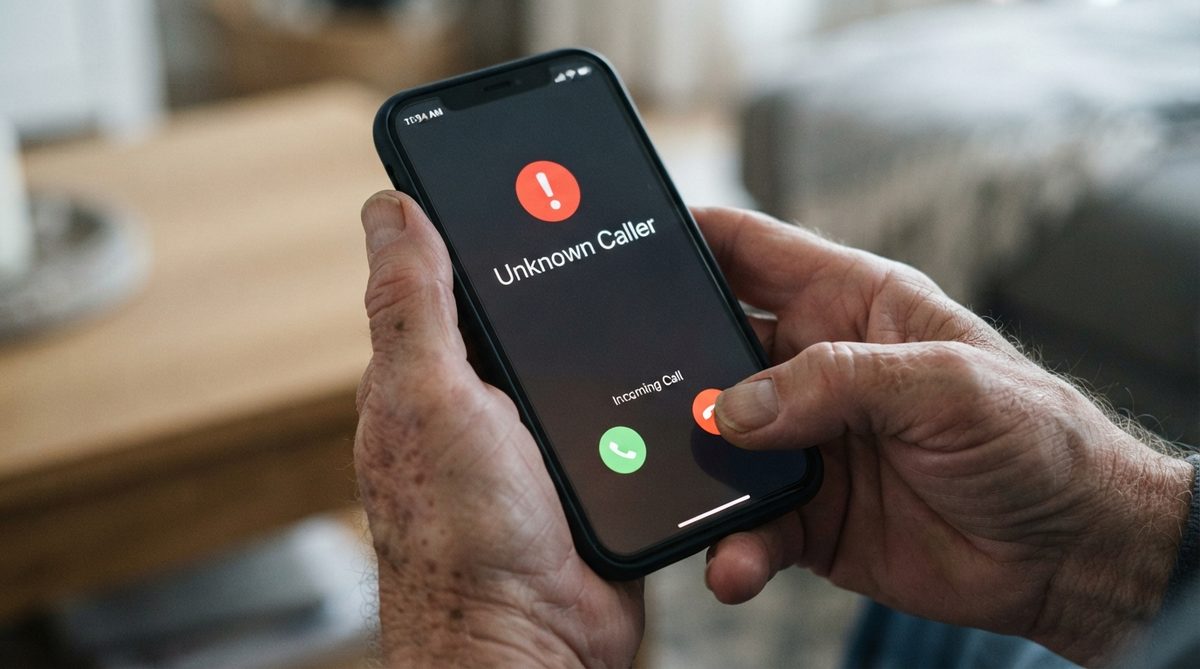
This alarming trend has surged in 2025 and 2026. Scammers — often impersonating FBI agents, federal prosecutors, or bank fraud investigators — convince victims that their accounts have been compromised and that the only way to “protect” their money is to convert it to gold bars or cryptocurrency and hand it over for “safekeeping.”
It sounds absurd in the abstract, but these operations are sophisticated. Scammers maintain contact for days or weeks, coaching victims through every step, providing fake badge numbers, and even sending official-looking documents. The FBI has reported individual losses exceeding $1 million from this scheme. New York authorities issued specific warnings about gold bar scams targeting older adults in early 2026.
The red flag: No legitimate law enforcement agency or financial institution will ever ask you to buy gold bars, withdraw large amounts of cash, or purchase cryptocurrency to protect your money. This is a scam — every single time, without exception.
The Grandparent Scam (AI-Enhanced)
A phone call comes in and a panicked voice says, “Grandma, it’s me — I’m in trouble.” The voice sounds exactly like your grandchild. That’s because it might be an AI-generated clone of their voice, created from social media audio clips or voicemail recordings.
The caller claims to be in jail, in a car accident, or stranded abroad. They beg you not to tell their parents and ask you to wire money immediately. AI voice-cloning technology has made this scam dramatically more convincing than it was even two years ago.
The red flag: If you receive a distress call from a family member, hang up and call them directly on their known phone number. Establish a family code word — a simple, pre-agreed phrase that anyone calling in an emergency must use to verify their identity.
Building Your Personal Defense System
Knowing the scams is only half the battle. You also need practical, everyday habits that make you a harder target. Think of this as digital self-defense — it doesn’t require technical expertise, just awareness and consistency.
Secure Your Devices
- Update everything: Software updates often patch security vulnerabilities that scammers exploit. Enable automatic updates on your smartphone, tablet, and computer. Consumer Reports consistently ranks keeping software current as the single most impactful security step consumers can take.
- Use strong, unique passwords: A password manager — such as the ones built into iPhones and Android phones — generates and stores complex passwords so you don’t have to remember them. Avoid reusing the same password across multiple sites.
- Enable two-factor authentication (2FA): This adds a second layer of security beyond your password, usually a code sent to your phone. Enable it on your email, bank accounts, and social media. Even if a scammer gets your password, 2FA can stop them.
- Install reputable security software: Programs like Malwarebytes or Bitdefender provide real-time protection against malware and phishing attempts. Many offer free basic versions.
Guard Your Personal Information
- Never share sensitive information in response to an unsolicited contact. This includes your Social Security number, bank account numbers, Medicare ID, or passwords. Legitimate organizations already have this information and won’t ask for it via phone, email, or text.
- Verify before you trust. If you receive a suspicious communication, look up the organization’s official phone number independently (not from the message itself) and call to confirm.
- Limit what you share on social media. Scammers mine Facebook, Instagram, and other platforms for personal details — your pet’s name, your hometown, your grandchildren’s names — to make their approaches more convincing.
Protect Your Financial Accounts
- Set up account alerts. Most banks and credit card companies offer text or email notifications for transactions over a certain amount. This gives you real-time visibility into account activity.
- Consider a credit freeze. Placing a freeze with the three major credit bureaus (Equifax, Experian, and TransUnion) prevents anyone from opening new accounts in your name. It’s free, and you can temporarily lift it when needed.
- Review statements monthly. Don’t just glance at the total. Look for small, unfamiliar charges — scammers often test stolen information with minor transactions before making larger withdrawals.
If you’re also managing retirement income, protecting your finances from fraud is just as important as protecting them from inflation. For strategies on safeguarding your purchasing power, take a look at our guide on Inflation and Retirement Savings: A Practical Guide to Fighting Back.

What to Do If You Think You’ve Been Scammed
Speed matters. The faster you act, the better your chances of recovering lost funds or limiting the damage. Here’s what to do:
- Contact your bank or credit card company immediately. Report the fraudulent transaction. Many institutions can freeze accounts and reverse charges if notified quickly enough.
- Report the scam to the FTC at consumer.ftc.gov or by calling 1-877-382-4357. This creates an official record and helps authorities track patterns.
- File a report with your local police department. While law enforcement may not be able to recover your money directly, a police report is often required for insurance claims and bank disputes.
- Report to the FBI’s IC3 at ic3.gov if the fraud occurred online. The IC3’s Recovery Asset Team has successfully frozen fraudulent transfers in numerous cases.
- Alert the three credit bureaus if any personal identifying information was compromised. Place fraud alerts or credit freezes as appropriate.
- Tell someone you trust. Whether it’s a family member, friend, or attorney, having support reduces the emotional toll and can help you take the right next steps. There is no shame in being targeted — scammers are professionals, and they victimize people of every education level and background.
The Role of Digital Literacy in Long-Term Protection
One-time tips are helpful, but lasting protection comes from building genuine digital confidence over time. This doesn’t mean becoming a tech expert — it means understanding enough about how technology works to spot when something isn’t right.
AARP’s research on technology and older adults consistently emphasizes the need for age-friendly digital education — not just simplified devices, but real instruction on how the online world works, what threats look like, and how to respond. Many local libraries, community colleges, and senior centers offer free or low-cost digital literacy workshops. These are worth attending, even if you consider yourself reasonably tech-savvy.
Research also suggests that regular, purposeful technology use may have cognitive benefits. As we explored in Smartphone Use Linked to Lower Cognitive Decline After 50, active engagement with smartphones and digital tools is associated with maintaining mental sharpness — another reason to embrace technology thoughtfully rather than avoid it.
Key Habits That Build Digital Resilience
- Stay curious but skeptical. The internet offers extraordinary resources for learning, connecting, and managing your life. Approach new tools and platforms with openness, but always ask: “Who is asking for my information, and why?”
- Talk about scams openly. Discussing fraud attempts — even unsuccessful ones — with friends and family normalizes the conversation and helps everyone stay alert. Many scams succeed precisely because victims are too embarrassed to mention suspicious contacts to anyone before it’s too late.
- Keep learning. Scam tactics evolve constantly. Following trusted sources like the FTC’s consumer alerts, CISA’s cybersecurity tips, or AARP’s technology resources helps you stay current on emerging threats.
Technology as an Ally, Not an Enemy
It’s tempting to respond to the avalanche of scam warnings by retreating from technology altogether. But that reaction carries its own costs — isolation, missed access to essential services, and lost opportunities for connection and enrichment.
The goal isn’t to be afraid of technology. The goal is to use it confidently and safely. Think of it like driving a car: you don’t avoid highways because accidents happen. You learn the rules, stay alert, buckle your seatbelt, and drive defensively.
Consider a hypothetical retiree — call her Margaret — who lives alone in a suburban home. She uses her smartphone to video-call her grandchildren, manages her Medicare enrollment online, streams movies in the evening, and orders groceries through a delivery app. Each of these activities improves her quality of life. And each one is perfectly safe, as long as Margaret follows basic security practices: strong passwords, two-factor authentication, skepticism toward unsolicited contacts, and regular software updates.
If you’re exploring ways to maintain independence as you age — whether through technology, home modifications, or alternative living arrangements — you might also find value in 8 Alternatives to Assisted Living Worth Exploring After 50, which covers a range of options beyond traditional care facilities.
A Final Word on Vigilance and Self-Compassion
Financial scams targeting older adults are not a reflection of the victim’s intelligence or competence. These schemes are designed by sophisticated criminal networks that test and refine their tactics on thousands of potential targets. They exploit universal human emotions — fear, love, trust, urgency — not personal weakness.
If you’ve been targeted, whether or not you lost money, you are not alone. The best defense going forward is a combination of practical security habits, ongoing education, open conversations with people you trust, and a willingness to verify before you act.
That hypothetical Tuesday-morning text from the beginning of this article? The right move is always the same: pause, don’t click, and verify independently. Your bank’s real number is on the back of your card. Use it. That simple habit — checking before reacting — is the most powerful fraud-prevention tool you own.