

The Dream of Staying Home — and the Myths Keeping You from Doing It Right
Nearly 90 percent of Americans over 65 say they want to stay in their current home as they age, according to AARP‘s 2024 Home and Community Preferences Survey. It’s an overwhelmingly popular goal — and one that’s entirely achievable. But after 16 years of covering lifestyle and active aging, I can tell you that the gap between wanting to age in place and actually preparing for it is filled with stubborn myths, outdated assumptions, and costly blind spots.
The conversation around aging in place is reshaping housing demand across the country, and most homes simply aren’t ready. That’s not because the modifications are impossible. It’s because too many homeowners are operating on bad information. Let me walk you through the biggest misconceptions I encounter again and again — and what the evidence actually says.
Myth 1: Aging in Place Is Only Something You Think About After 70
This is the misconception I fight most often. I hear it from readers in their early 50s who say, “That’s not something I need to worry about yet.” But the data tells a very different story. The National Council on Aging reports that one in four Americans aged 65 and older falls each year, and fall-related injuries are the leading cause of emergency room visits for older adults. Many of those falls happen in homes that could have been modified years earlier.
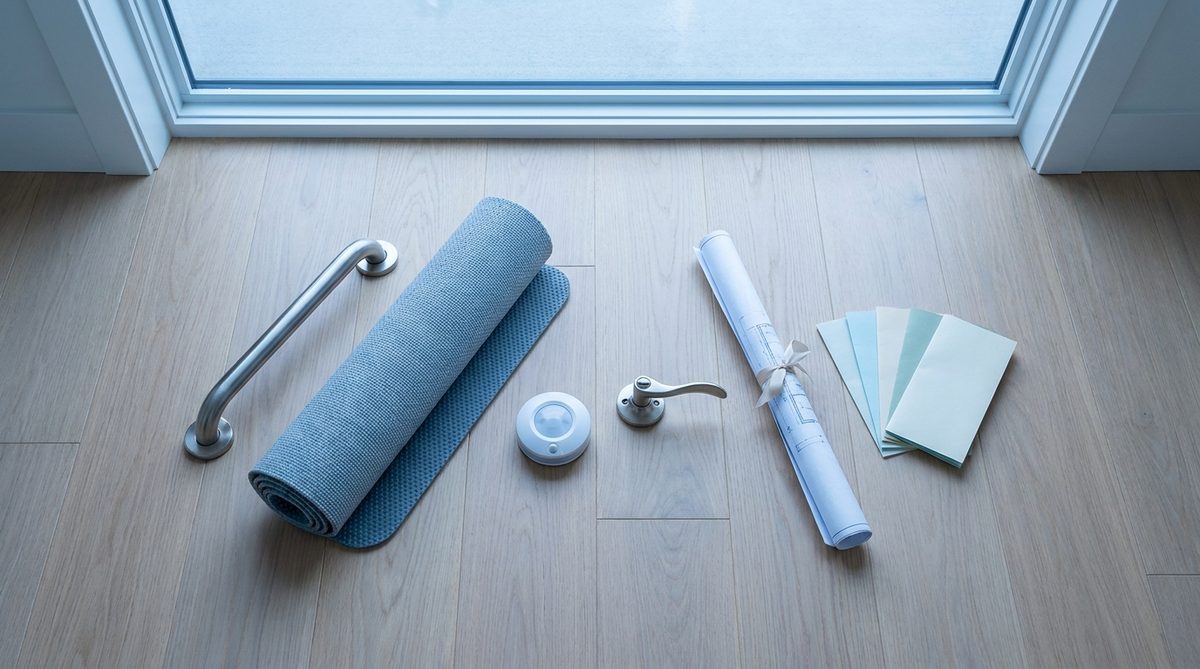
In my experience, the homeowners who have the smoothest, most affordable transitions are the ones who started planning in their 50s. When you make changes proactively — swapping out round doorknobs for lever handles, improving hallway lighting, reinforcing bathroom walls for future grab bar installation — you spread the cost over years instead of scrambling after a health crisis.
Think of it this way: you don’t buy homeowner’s insurance after the fire. Aging-in-place preparation follows the same logic. The earlier you start, the more control you have over what your home looks like and how much it costs.
Myth 2: You Need a Massive Budget to Make Your Home Safe
One of the most persistent aging in place myths is that meaningful home modifications require a $50,000 renovation budget. Recent headlines have reinforced this idea, with some reports suggesting that age-proofing a home “won’t come cheap.” But that framing misses the full picture.
Yes, major overhauls — like installing an elevator, widening every doorway, or building a first-floor primary suite from scratch — can run into the tens of thousands. But the modifications that prevent the most common injuries are remarkably affordable. A widely cited 2024 analysis found that a basic aging-in-place safety package can be assembled for around $1,500. That includes:
- Grab bars in the bathroom (around $30–$50 each, plus installation)
- Non-slip flooring treatments or adhesive strips ($20–$100)
- Motion-sensor lighting for hallways and staircases ($15–$40 per light)
- Lever-style door and faucet handles ($12–$30 each)
- A handheld showerhead with a slide bar ($40–$80)
- Raised toilet seat ($25–$60)
“The modifications that prevent the most injuries — grab bars, better lighting, non-slip surfaces — are also the least expensive. The biggest cost of aging in place is waiting too long to start.”
What I see most often is homeowners skipping these low-cost fixes because they assume the “real” work requires a contractor and a second mortgage. That’s a dangerous assumption. If you’d like a practical breakdown of affordable safety upgrades, I recommend reading 7 Ways to Age in Place Safely After 60 (From a PT), which offers guidance from a physical therapist’s perspective.
Myth 3: Grab Bars and Ramps Will Make Your Home Look Like a Hospital
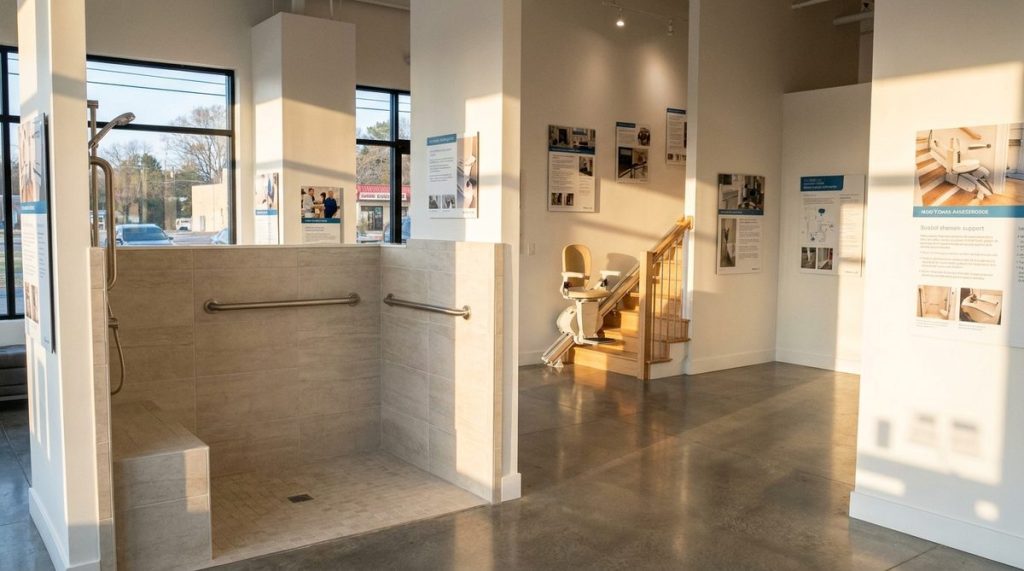
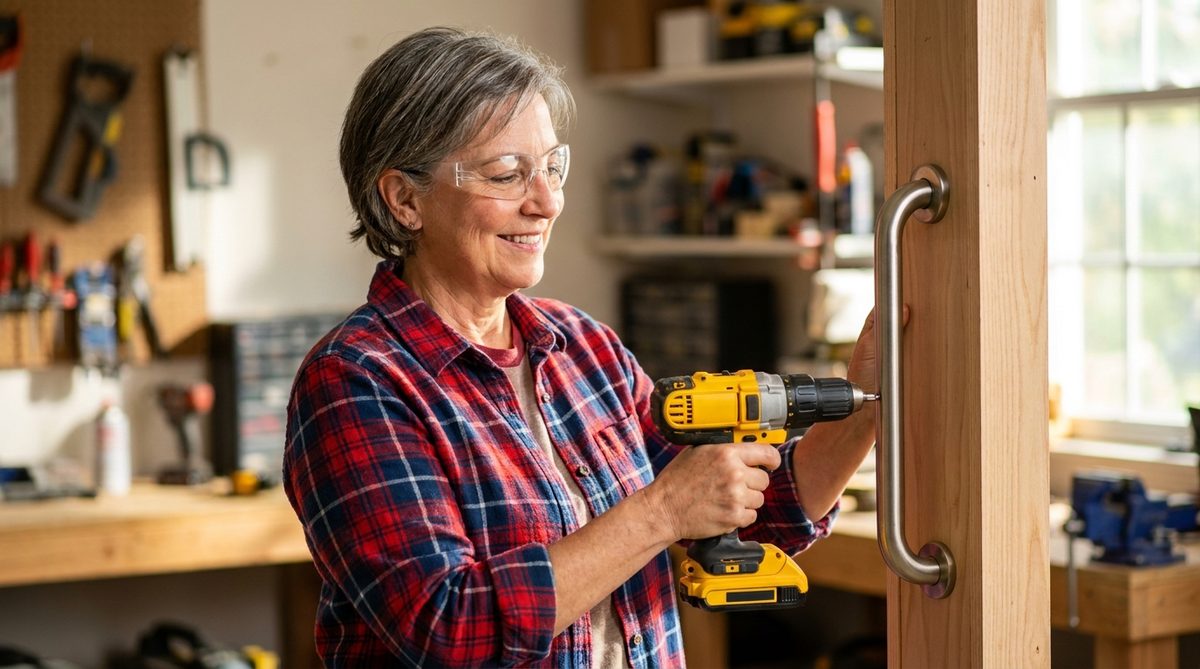
This is the vanity myth, and I understand it completely. Nobody wants their home to feel institutional. But the home accessibility market has evolved dramatically in the last decade. Today’s grab bars come in brushed nickel, matte black, oil-rubbed bronze, and designs that look like towel bars or decorative shelving. Better Homes & Gardens has featured aging-in-place bathrooms that are indistinguishable from high-end spa designs.
Curbless showers — one of the most important accessibility upgrades — are now a luxury trend in new construction, favored by homeowners of all ages for their sleek, modern aesthetic. The same is true for wider doorways, open floor plans, and single-level living. These aren’t “old people” features. They’re universal design principles, and they increase your home’s resale value.
I often tell my readers: the best aging-in-place modifications are the ones nobody notices. A well-chosen grab bar looks like intentional design, not a medical device. If aesthetics have been holding you back, it’s time to update your mental image of what accessible living looks like.
Myth 4: Technology Can Replace Physical Home Modifications
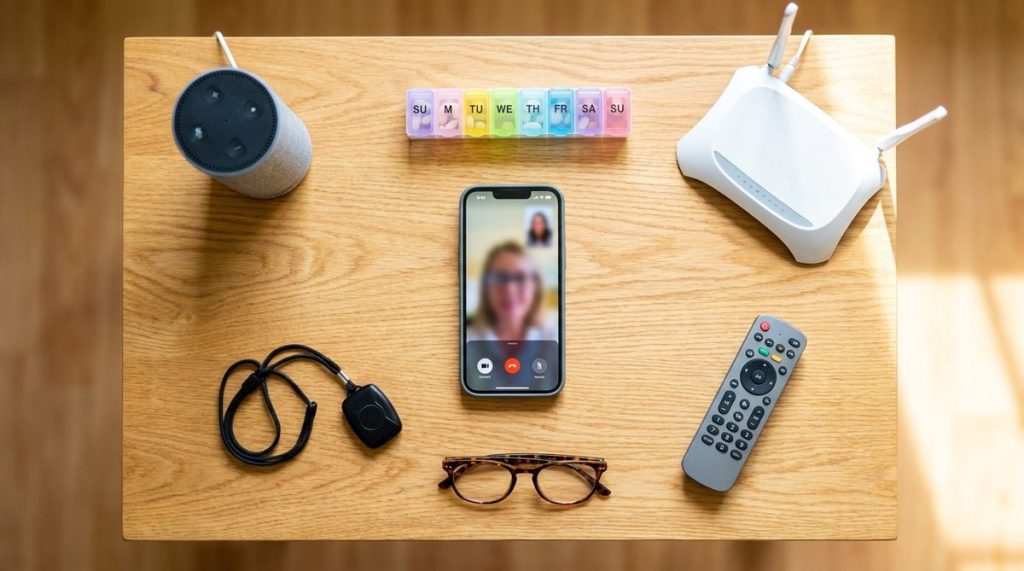
Smart home technology is genuinely useful for aging in place. Voice-controlled lighting, video doorbells, medication reminders, and fall-detection wearables all contribute to safety and independence. I’ve covered this extensively — you can explore the full range in 7 Ways Technology Helps Older Adults Stay Independent.
But here’s the myth: some homeowners treat technology as a substitute for physical modifications rather than a complement. An Alexa can turn on your lights, but it can’t prevent you from slipping on a wet tile floor. A smartwatch can detect a fall, but it can’t stop you from falling when there’s no grab bar in the shower.
The National Institute on Aging recommends a layered approach: structural modifications first, technology second. The physical environment — flooring, lighting, bathroom safety, stair access — is the foundation. Technology enhances that foundation. It doesn’t replace it.
Myth 5: If You Stay Home, You’ll Be Isolated and Lonely
This is a myth I take personally, because I’ve watched it discourage people from a choice that could genuinely serve them well. The assumption is that choosing to age in your own home means choosing loneliness — that retirement communities and assisted living facilities are inherently more social.
There’s no question that social connection is critical. Chronic loneliness is associated with a 26 percent increase in the risk of premature mortality, according to a widely cited 2023 meta-analysis. But isolation isn’t a function of your address. It’s a function of your habits, your community engagement, and your intentionality.
Aging in place doesn’t mean aging alone. Many of the readers I hear from are deeply embedded in their communities — volunteering, taking classes, joining fitness groups, participating in faith communities, and maintaining friendships. The key is building social infrastructure alongside your physical infrastructure. If you’re concerned about staying engaged, starting a new hobby can be a powerful antidote. Research consistently shows that active hobbies — from gardening to group fitness to learning an instrument — improve both cognitive health and social connection.
Myth 6: Your Home Is Either “Ready” or It Isn’t
This all-or-nothing thinking trips up more people than any single myth on this list. Homeowners assess their house, decide it’s “not suitable” for aging in place, and start researching retirement communities — without ever considering that most homes can be adapted in stages.
Aging in place is not a binary. It’s a spectrum. Maybe your home needs a first-floor bedroom addition eventually, but right now, all it needs is better bathroom lighting and a stair rail that’s actually anchored properly. Maybe a full kitchen remodel is five years away, but today you can rearrange your most-used items to waist-height shelves and add pull-out cabinet organizers.
I’ve seen homeowners transform their spaces incrementally over three to five years, spending a few hundred dollars at a time, and end up with homes that are safer and more functional than many purpose-built senior residences. The trick is having a plan — ideally created with the help of a Certified Aging-in-Place Specialist (CAPS), a credential offered through the National Association of Home Builders.
“Aging in place isn’t a single renovation. It’s an ongoing relationship with your home — adjusting, adapting, and improving as your needs evolve over the years.”
Myth 7: Medicare or Insurance Will Cover Home Modifications
This is a painful one. Traditional Medicare does not cover home modifications like grab bars, ramp installations, or bathroom remodels — even when a doctor recommends them. Some Medicare Advantage plans offer limited home safety benefits, typically a small annual allowance ($500–$1,500), but coverage varies widely by plan and region.
Medicaid waiver programs in certain states do provide home modification funding for qualifying low-income older adults, but the application process can take months, and funding caps are often modest. Veterans may qualify for the VA’s Home Improvements and Structural Alterations (HISA) grant, which provides up to $6,800 for service-connected disabilities.
The bottom line: most Americans will pay for aging-in-place modifications out of pocket. That’s another reason early planning matters so much. Spreading costs across years is far less painful than facing a $15,000 emergency renovation after a fall. For anyone managing retirement finances carefully, understanding how these expenses interact with your broader income picture is essential — something covered well in Retirees Depleting Savings Faster: A CFP’s 2026 Survival Guide.
Myth 8: Aging in Place Means Refusing Help
There’s a stubborn cultural narrative — particularly strong among Baby Boomers — that aging in place means doing everything yourself, indefinitely, without assistance. That’s not independence. That’s stubbornness, and it can be dangerous.
Successful aging in place almost always involves some level of support, whether that’s a weekly house cleaner, a grocery delivery service, a home health aide for a few hours a day, or simply a neighbor who checks in. The goal isn’t to prove you don’t need anyone. The goal is to stay in the home you love while being honest about what you need to stay safe there.
In my 16 years covering this topic, the people who age in place most successfully are the ones who build their support network before they urgently need it. They know their neighbors. They have a relationship with a home maintenance professional. They’ve identified a home health agency they trust. They’ve had honest conversations with their adult children about expectations and boundaries.
What the Evidence Actually Supports
When you strip away the myths, aging in place is one of the most well-supported lifestyle choices an older adult can make — when it’s done thoughtfully. Research from AARP consistently shows that aging in familiar surroundings is associated with better mental health outcomes, greater sense of autonomy, and higher overall life satisfaction compared to involuntary relocation.
But “thoughtfully” is the operative word. That means:
- Starting modifications early, ideally in your 50s
- Prioritizing high-impact, low-cost safety upgrades first
- Embracing universal design that enhances both safety and aesthetics
- Using technology as a supplement, not a substitute
- Investing in social connections and community engagement
- Accepting help as a strength, not a failure
- Planning financially for ongoing home maintenance and adaptation
The conversation about aging in place is finally catching up to reality. More contractors are earning CAPS certifications. More product designers are creating attractive, functional accessibility products. More communities are developing village-model support networks that help older adults stay connected.
Your Home Can Grow With You — If You Let It
The biggest myth of all may be the quietest one: the belief that your home is a fixed thing, and that you either fit it or you don’t. Homes are living spaces. They can be changed, improved, and adapted — just like the people who live in them.
If you’ve been putting off aging-in-place planning because of any of the myths above, consider this your permission to start small. Install one grab bar this weekend. Replace one round doorknob with a lever handle. Order a motion-sensor nightlight for your hallway. These aren’t admissions of frailty. They’re acts of foresight.
And if you want to understand more about what the latest research says about aging well — and why decline isn’t inevitable — take a look at New Study: Aging Doesn’t Mean Decline—What the Data Reveals. It might change the way you think about the years ahead.
Your home has held your life for years, maybe decades. With the right preparation, it can hold the next chapter, too.
Frequently Asked Questions
What is the average cost to make a home safe for aging in place?
Basic safety modifications — including grab bars, non-slip surfaces, improved lighting, and lever handles — can be completed for approximately $1,500. More extensive renovations like bathroom overhauls or stairlift installations can range from $5,000 to $25,000 or more depending on the scope.
Does Medicare cover home modifications for aging in place?
Traditional Medicare does not cover home modifications such as grab bars, ramps, or bathroom remodels. Some Medicare Advantage plans offer limited home safety allowances, and Medicaid waiver programs in certain states may provide funding for qualifying low-income older adults. Veterans may also access VA grants for home modifications.
When should I start preparing my home for aging in place?
Experts recommend starting in your 50s. Early planning allows you to spread costs over time, make changes before a health crisis forces urgent decisions, and incorporate universal design features that enhance both safety and home value. Even small upgrades like better lighting and bathroom grab bars provide immediate safety benefits.
About Jennifer Adams, 16 Years in Lifestyle Journalism
Jennifer Adams is a lifestyle journalist with 16 years of experience writing about travel, hobbies, relationships, home life, and the art of aging well. She has contributed to national publications focused on the interests and aspirations of adults over 50 — from budget-friendly travel destinations to rediscovering hobbies in retirement. At Daily Trends Now, Jennifer writes warm, practical articles that celebrate life after 50 and help readers make the most of every chapter.