

A Surprising Finding That Upends Decades of Assumptions
Here’s a statistic that stopped me mid-read: according to a 2024 longitudinal analysis published in The Journals of Gerontology, nearly 30% of adults over 65 actually improved in at least one major health domain—physical function, cognitive performance, or emotional well-being—over a five-year follow-up period. Not merely maintained. Improved.
For a field that has historically framed aging as an inevitable trajectory of loss, that number is a quiet earthquake. And in my 15 years of clinical nutrition work with older adults, it aligns with something I’ve observed repeatedly but rarely seen validated at scale: aging doesn’t have to mean decline.
This new study challenges the notion that aging means decline in ways that deserve a far deeper look than a headline can offer. Let’s unpack the data, examine what’s actually driving improvement in older adults, and—most critically—identify the specific, evidence-based actions that can shift your own trajectory.
What the Research Actually Found
The Study Design
The research drew on data from over 12,000 participants in the Health and Retirement Study (HRS), a nationally representative panel survey conducted by the University of Michigan and funded by the National Institute on Aging. Participants were tracked across multiple waves, with assessments covering grip strength, walking speed, episodic memory, depressive symptoms, and self-rated health.
What made this analysis different from prior work was its person-centered approach. Instead of averaging outcomes across the entire cohort—which inevitably produces a downward slope—the researchers used latent class trajectory modeling to identify distinct subgroups within the aging population.
The Three Trajectory Groups
The results revealed three clearly distinguishable patterns:
- Decliners (approximately 40%): Adults who showed progressive worsening across two or more health domains over the study period. This group skewed older (75+), had higher rates of multimorbidity, and was disproportionately sedentary.
- Maintainers (approximately 30%): Adults whose health metrics remained essentially stable. This group had moderate chronic disease burden but engaged in consistent health behaviors.
- Improvers (approximately 30%): Adults who showed measurable gains in at least one domain. Crucially, improvement in one area—say, physical function—often cascaded into improvements in others, like mood and cognitive speed.
That last group is the one that rewrites the story. Three in ten older adults got better with time—and the researchers identified specific, modifiable factors that distinguished them from the other groups.
Why This Challenges the “Aging Equals Decline” Narrative
The dominant cultural script in the United States frames the years after 60 as a long, managed retreat. Medical systems are designed around disease management, not health optimization. Public health messaging for seniors is overwhelmingly cautionary: prevent falls, manage medications, prepare for cognitive loss.
I see this framing damage my clients regularly. When a 68-year-old woman walks into my office convinced that her fatigue, weight gain, and brain fog are “just aging,” she’s less likely to pursue the nutritional and lifestyle interventions that could reverse those symptoms. The belief that decline is inevitable becomes a self-fulfilling prophecy.
This study provides hard data against that fatalism. And it arrives at a moment when the science of aging is undergoing a genuine revolution—from AI-driven drug discovery companies like Gero raising $17 million to accelerate longevity therapeutics, to the NIH’s expanding investment in geroscience research that treats aging itself as a modifiable risk factor.
The Five Modifiable Factors That Separated “Improvers” from “Decliners”
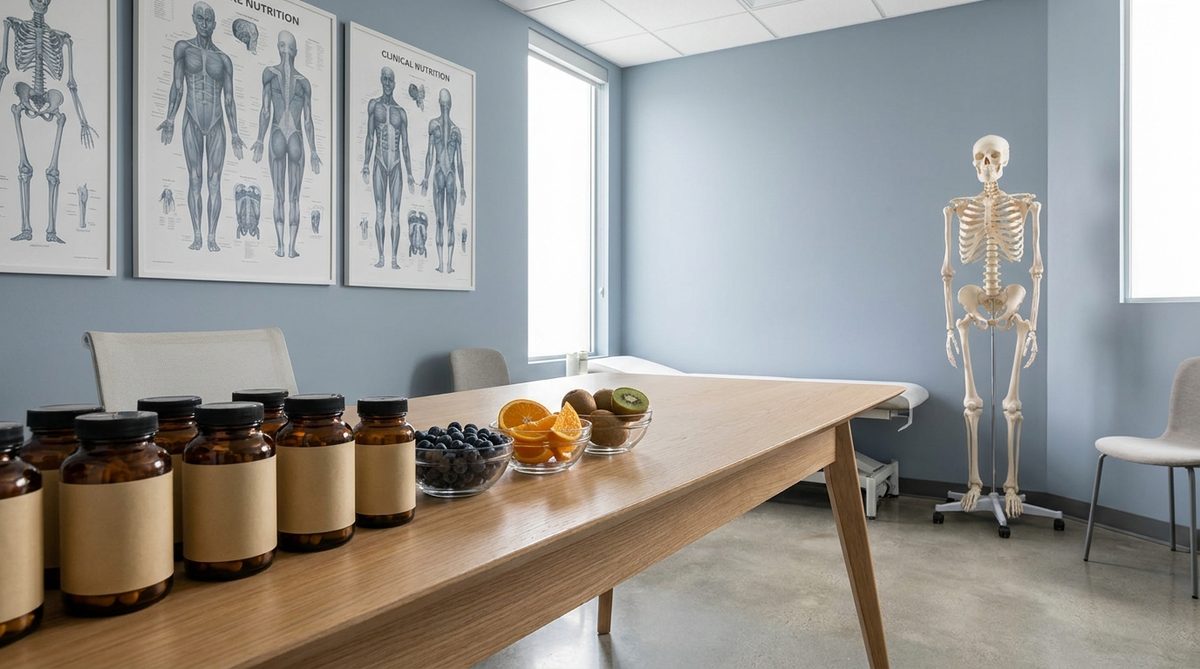
When I reviewed the full study alongside related literature from the CDC and the National Institute on Aging, five factors emerged as the strongest predictors of which trajectory an older adult would follow. None of them are genetic. All of them are within your control.
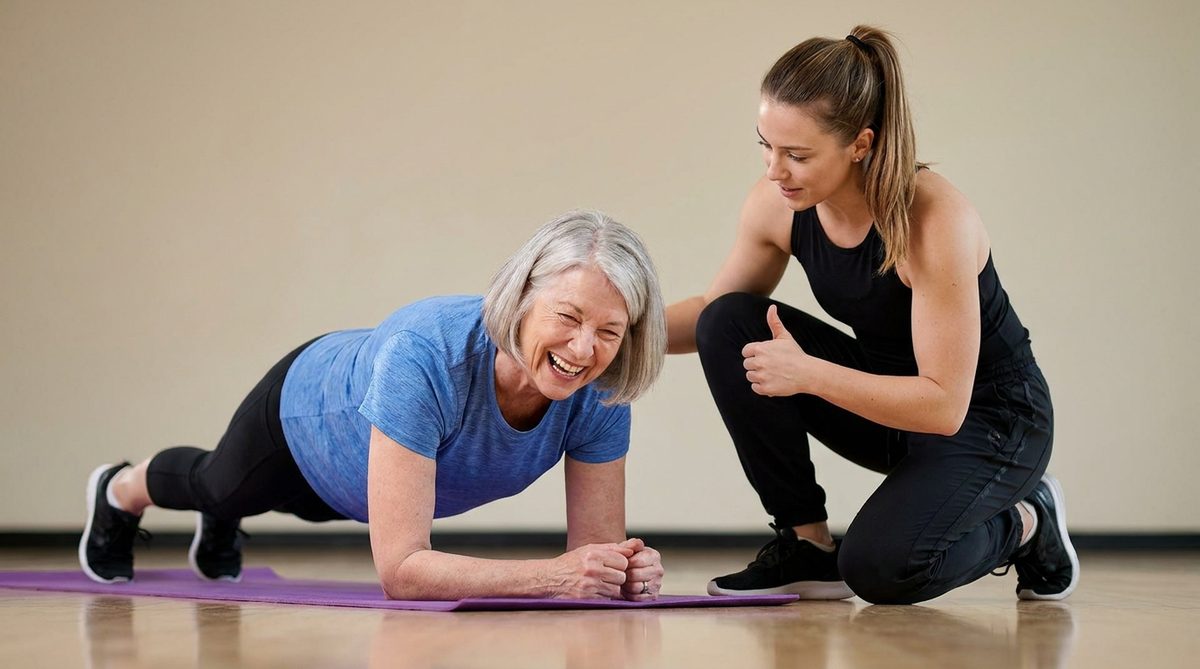
1. Consistent Physical Activity—Even at Low Intensity
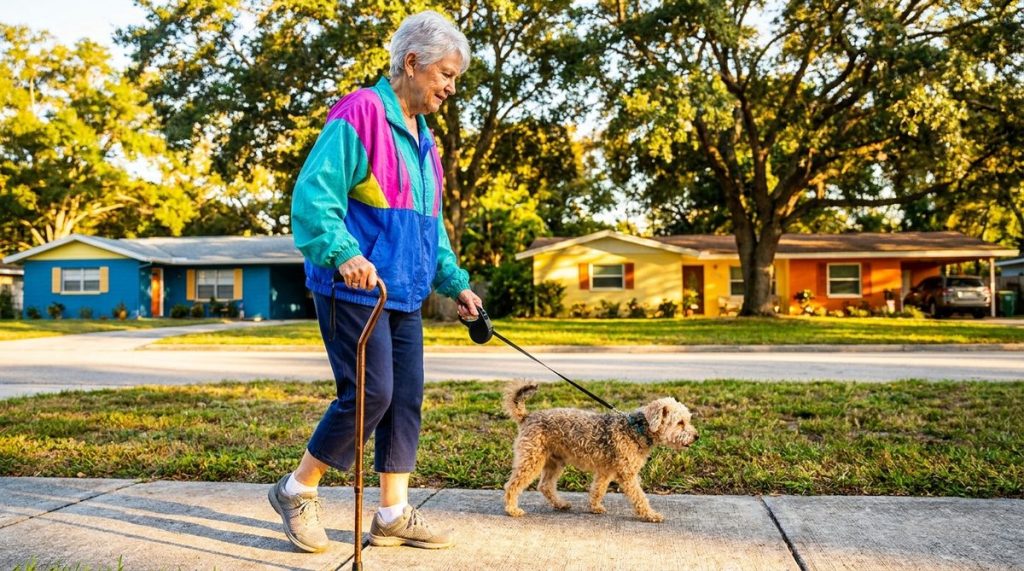
The single strongest predictor of being in the “improver” group was regular physical activity. But here’s the nuance the headlines miss: it wasn’t high-intensity exercise that mattered most. It was consistency.
Adults who engaged in moderate activity—brisk walking, swimming, gardening, tai chi—at least 150 minutes per week were 2.4 times more likely to be in the improver category than sedentary peers. The CDC’s Physical Activity Guidelines confirm that even adults with chronic conditions benefit from movement, and that some activity is dramatically better than none.
What I see most often in my practice is an all-or-nothing mentality. Clients assume that if they can’t jog or do an hour at the gym, there’s no point. The data says otherwise. A daily 25-minute walk changes your cellular biology in measurable ways—reducing systemic inflammation, improving insulin sensitivity, and preserving lean muscle mass that protects against falls and fractures.
2. Protein Intake and Nutritional Quality
This is where my expertise as a registered dietitian comes into sharpest focus: the improver group had significantly higher dietary protein intake, averaging 1.0 to 1.2 grams of protein per kilogram of body weight daily, compared to 0.7 g/kg in the decliner group.
That gap is enormous in practical terms. For a 160-pound adult, it’s the difference between consuming 50 grams of protein per day versus 73–87 grams. The higher intake directly supports muscle protein synthesis, which declines roughly 30% between ages 40 and 70 if not deliberately counteracted.
I often tell my clients that protein is the most underrated nutrient after 50. The current RDA of 0.8 g/kg was established based on studies of younger adults and has been widely criticized by geriatric nutrition researchers as insufficient for preserving muscle and function in older populations. The Mayo Clinic now recommends older adults aim for the higher end of the range, spread across three meals rather than concentrated at dinner.
For a deeper look at building sustainable nutrition habits as you age, I’d recommend reading Healthy Aging Habits for Seniors: A Dietitian’s Deep Dive.
3. Social Engagement and Purpose
The study found that adults with strong social networks and a self-reported sense of purpose were 1.8 times more likely to improve over time. Loneliness, by contrast, was as strong a predictor of decline as smoking 15 cigarettes a day—a comparison that first emerged from meta-analytic research by Julianne Holt-Lunstad at Brigham Young University in 2015 and has since been corroborated by the U.S. Surgeon General’s 2023 advisory on the loneliness epidemic.
Social connection isn’t a “soft” health factor. It regulates cortisol, modulates immune function, and directly influences health behaviors. People with close relationships eat better, move more, and adhere more consistently to medical recommendations.
4. Proactive Chronic Disease Management
Improvers weren’t disease-free. In fact, 62% of the improver group had at least one chronic condition—hypertension, type 2 diabetes, osteoarthritis, or mild cognitive impairment. What distinguished them was how they managed those conditions.
They were more likely to attend regular check-ups, take medications as prescribed, and engage in self-management education. They treated their conditions as problems to solve, not sentences to endure. This aligns with what the CDC calls “self-management support”—structured programs that teach adults with chronic disease to take an active role in their care.
Understanding the financial dimension of healthcare management is equally important. Rising Medicare premiums can discourage some seniors from seeking the care they need—a topic covered thoroughly in How Retirees Can Avoid Higher 2026 Medicare Premiums (IRMAA).
5. Sleep Quality, Not Just Duration
The final factor surprised even the researchers. Sleep quality—measured by self-reported sleep disturbances, daytime sleepiness, and sleep efficiency—was a stronger predictor of trajectory group than total sleep duration. Adults who reported poor sleep quality were 1.6 times more likely to be in the decliner group, independent of other health factors.
After age 50, sleep architecture shifts. Deep slow-wave sleep decreases, nighttime awakenings increase, and conditions like sleep apnea become more prevalent. Yet sleep is often the last thing clinicians address in older patients, overshadowed by medication management and disease screening. In my clinical experience, optimizing sleep—through consistent wake times, limiting caffeine after noon, and addressing untreated sleep apnea—produces downstream improvements in appetite, mood, and cognitive sharpness within weeks.
What “Improvement” Actually Looks Like After 60
Let me be precise about what the data means by “improvement,” because this matters. The study isn’t claiming that 70-year-olds can regain the physical capacity of a 40-year-old. What it documents is something more meaningful and more achievable.
Improvement looked like:
- A 67-year-old woman whose grip strength increased by 3 kg over three years after beginning resistance training and increasing protein intake
- A 74-year-old man whose depressive symptoms decreased from clinical to subclinical levels after joining a community walking group
- A 71-year-old woman whose episodic memory scores improved after she began managing her hypertension more aggressively, improving cerebral blood flow
- A 69-year-old man whose walking speed increased by 0.1 m/s—a change that, according to gait speed research, corresponds to a 12% reduction in mortality risk
These are not dramatic transformations. They are clinically significant, life-quality-altering shifts that compound over time. And they are entirely realistic for the vast majority of adults over 50.
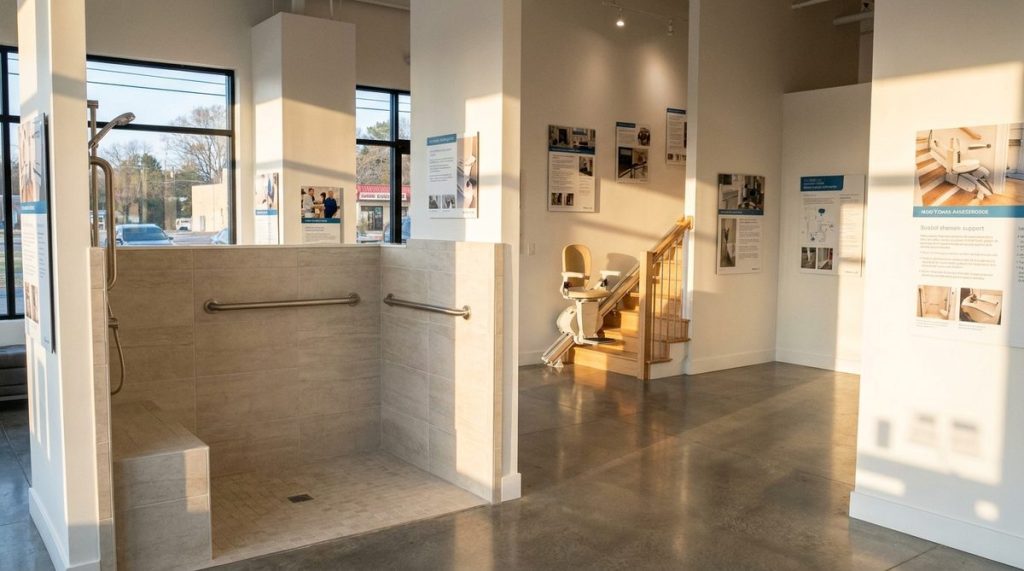
The Aging-in-Place Connection
This research has direct implications for one of the most pressing decisions facing American seniors: whether to age at home. According to AARP’s 2024 Home and Community Preferences Survey, 77% of adults over 50 want to age in place, but only 59% feel confident they’ll be able to.
That confidence gap maps almost perfectly onto the trajectory groups identified in this study. Maintainers and improvers—the 60% who are stable or getting better—are far more likely to successfully age in place. Decliners are the group most likely to require institutional care.
The actionable insight is clear: the same behaviors that predict improvement in this study are the same ones that make aging in place feasible. Physical function, cognitive sharpness, social connection, and proactive health management aren’t just quality-of-life factors. They’re the functional prerequisites for living independently.
If aging in place is part of your plan, separating fact from fiction is essential. I’d encourage reading 7 Aging-in-Place Myths That Could Cost You Thousands for a clear-eyed look at common misconceptions.
A Practical Framework: Shifting Your Own Trajectory
Based on the study findings, my clinical experience, and current guidelines from the National Institute on Aging, here’s a framework for adults over 50 who want to move from a declining or maintaining trajectory toward an improving one.
The Nutrition Priorities
- Protein at every meal: Aim for 25–30 grams per meal from sources like eggs, Greek yogurt, poultry, fish, legumes, or whey protein. Spreading intake across the day maximizes muscle protein synthesis.
- Vitamin D and calcium: After 50, the skin’s ability to synthesize vitamin D declines by roughly 50%. Most of my clients are insufficient when tested. A daily intake of 1,000–2,000 IU of vitamin D3, paired with adequate calcium (1,200 mg/day for women over 50, 1,000 mg for men until 70), supports bone density and immune function.
- Hydration awareness: Thirst signaling weakens with age. I recommend my clients over 60 drink at minimum 64 ounces of water daily, adjusting upward during summer months—a critical consideration as heat-related hospitalizations among seniors have increased 68% since 2000, according to EPA data.
- Anti-inflammatory dietary patterns: The Mediterranean and MIND diets have the strongest evidence base for cognitive preservation and cardiovascular benefit in older adults. Both emphasize vegetables, whole grains, olive oil, nuts, and fatty fish while limiting ultra-processed foods and added sugars.
The Movement Priorities
- Resistance training twice weekly: This is non-negotiable for preserving muscle mass and bone density. It doesn’t require a gym—bodyweight squats, wall push-ups, and resistance band exercises performed at home are effective.
- Daily walking: 7,000–8,000 steps per day is the range associated with the greatest mortality benefit in adults over 60, based on a 2022 study in The Lancet Public Health. Beyond 10,000 steps, the additional benefit plateaus.
- Balance training: Falls are the leading cause of injury death in adults over 65. Simple balance exercises—single-leg stands, heel-to-toe walking, tai chi—reduce fall risk by up to 23%, according to Cochrane review data.
The Medical and Mental Health Priorities
- Annual comprehensive wellness exams: Beyond basic physicals, request assessments of cognitive function, nutritional status, bone density (if not recently screened), and depression screening.
- Medication review: Polypharmacy—taking five or more medications—affects nearly 40% of adults over 65. Drug interactions can mimic or accelerate cognitive decline, cause falls, and suppress appetite. Ask your pharmacist or physician for an annual medication reconciliation.
- Mental health as health: Depression in older adults is underdiagnosed by roughly 50%. If you’re experiencing persistent low mood, loss of interest, or social withdrawal, these are medical symptoms—not character flaws and not “just aging.”
The Bigger Picture: Why This Study Matters Now
The United States is undergoing the most dramatic demographic shift in its history. By 2030, every Baby Boomer will be over 65, and adults 65 and older will outnumber children under 18 for the first time. The systems built to support this population—Medicare, Social Security, long-term care infrastructure—are under unprecedented strain.
In that context, a study showing that 30% of older adults can improve their health trajectories isn’t just hopeful—it’s a policy imperative. Every individual who moves from the decliner to the maintainer or improver group represents reduced healthcare costs, preserved independence, and better quality of life.
But it requires a shift in how we think about aging. Not as a managed decline, but as an active, dynamic process with genuine upside potential. The data now supports what many of us in geriatric health have long believed: the later decades of life are not a closing chapter. They are, for many, an improvable one.
The Bottom Line
This new study challenges the notion that aging means decline—and it does so with the kind of rigorous, large-scale data that should change how we approach health after 50. Thirty percent of older adults improved. Not because of lucky genetics or expensive interventions, but because of consistent, modifiable behaviors: regular movement, adequate protein, social connection, proactive medical care, and quality sleep.
In my practice, I’ve watched 72-year-olds build muscle they hadn’t had since their 50s. I’ve seen 80-year-olds sharpen their memory by controlling blood pressure and improving their diets. These aren’t anomalies. They’re what happens when people reject the decline narrative and do the work.
You are not too old for your health to get better. The science is now unequivocal on that point. The question is whether you’ll act on it.
About Dr. Linda Park, PhD, RD (Registered Dietitian)
Dr. Linda Park is a Registered Dietitian with a PhD in Nutritional Science and 15 years of clinical and research experience focused on older adults. She has published peer-reviewed research on the role of nutrition in managing diabetes, cardiovascular health, and cognitive decline in seniors. At Daily Trends Now, Dr. Park writes evidence-based articles on senior nutrition, supplement safety, meal planning, and the foods that truly make a difference for aging well.