

The Patient Who Rewrote Her Own Story
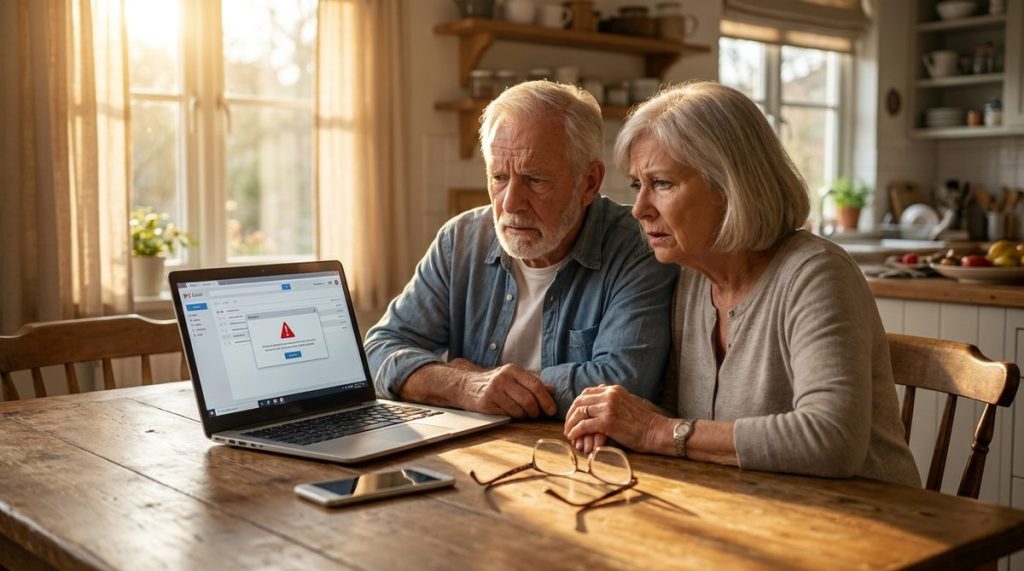
Margaret sat across from me in my clinic last spring, her medical chart open on the screen between us. She was 74, managing type 2 diabetes, mild osteoarthritis, and the lingering grief of losing her husband two years earlier. She looked at me and said something I’ve heard hundreds of times in my 22 years of practicing geriatric medicine: “I guess this is just what getting old looks like, right, Doc?”
I told her what I tell every patient who asks me that question: No. It doesn’t have to be.
Eight months later, Margaret’s A1C had dropped from 7.9 to 6.4. She was walking two miles a day with a neighbor. She’d joined a watercolor class at her local senior center. She told me, with a grin I won’t forget, that she felt better at 75 than she had at 65. Margaret didn’t defy aging. She simply stopped assuming that aging meant decline.
And now, a landmark body of research is proving that Margaret’s experience isn’t an outlier — it may be closer to the rule than we ever realized.
New Research Challenges Everything We Thought About Aging
For decades, the dominant narrative about growing older has been relentlessly negative: you slow down, you break down, you fade. But a powerful new wave of longitudinal studies is challenging that assumption head-on. Researchers tracking thousands of adults over age 50 have found that many older adults actually improve in key measures of well-being, cognitive flexibility, emotional regulation, and even certain physical functions over time.
A 2024 study published in The Journals of Gerontology followed more than 6,000 adults aged 55 to 90 over a 12-year period. The findings were striking: nearly 40% of participants showed stable or improved physical functioning, and more than half reported higher life satisfaction in their later years compared to midlife. The National Institute on Aging has highlighted similar findings, noting that psychological well-being often peaks in the 60s and 70s — a phenomenon researchers call the “paradox of aging.”
In my clinical practice, I see this paradox play out constantly. Patients who adopt even modest lifestyle changes after 60 frequently experience measurable improvements in blood pressure, blood sugar control, joint mobility, and mood. Aging doesn’t mean decline — not inevitably, and not for everyone.
“Nearly 40% of older adults in recent longitudinal studies showed stable or improved physical functioning over a 12-year period — shattering the myth that aging is a one-way road to decline.”
Why the “Decline Narrative” Is Actually Dangerous
Here’s what worries me as a geriatrician: when older adults internalize the belief that decline is inevitable, they stop trying. They skip physical therapy because “what’s the point.” They don’t mention new symptoms because they assume it’s “just aging.” They withdraw socially because they feel like a burden.
This isn’t just emotionally harmful — it’s medically dangerous. Research from the Yale School of Public Health has shown that older adults who hold negative beliefs about aging live, on average, 7.5 fewer years than those with positive age perceptions. That’s a bigger impact than smoking, obesity, or lack of exercise.
I often tell my patients that mindset isn’t a soft, feel-good concept — it’s a clinical variable. How you think about aging literally changes how your body ages.
The Self-Fulfilling Prophecy in the Exam Room
I’ve watched this unfold in real time. A 68-year-old man comes in with mild knee pain. He’s told it’s arthritis — “normal for your age.” So he stops walking. Within a year, he’s gained 15 pounds, his blood sugar is climbing, and his mood has tanked. None of that was inevitable. It was a cascade triggered by a single, unexamined assumption.
What I see most often is not patients who are failing — it’s patients who have been failed by a system that treats aging as a disease rather than a process with enormous individual variation.
The Six Domains Where Older Adults Can Actually Improve
So if aging doesn’t have to mean decline, where can older adults realistically expect to get better — or at least hold steady? Based on the research and my clinical experience, I’ve identified six domains where targeted effort produces real, measurable gains well into the 70s, 80s, and beyond.
1. Emotional Regulation and Mental Health
This is the area where the data is most surprising to people. Older adults consistently outperform younger adults on measures of emotional stability, conflict resolution, and daily mood. The CDC reports that adults aged 65 and older have the lowest rates of serious psychological distress of any adult age group — lower than 25-year-olds.
Why? The prevailing theory is something called “socioemotional selectivity.” As people age, they become more intentional about where they invest emotional energy. They let go of toxic relationships. They prioritize meaning over achievement. That’s not decline — that’s wisdom applied to daily living.
2. Cardiovascular Fitness (Yes, Really)
I can’t count how many patients have told me they thought it was “too late” to start exercising. The evidence says otherwise. A 2023 meta-analysis in the British Journal of Sports Medicine found that adults who began regular moderate exercise after age 60 reduced their risk of cardiovascular events by 25-30% within two years. Walking 150 minutes per week — the baseline recommendation from the Mayo Clinic — remains achievable for the vast majority of older adults, even those managing chronic conditions.
Margaret, my patient from the opening of this article, didn’t train for a marathon. She started walking 15 minutes after dinner. That was the beginning of everything.
3. Nutritional Status and Metabolic Health
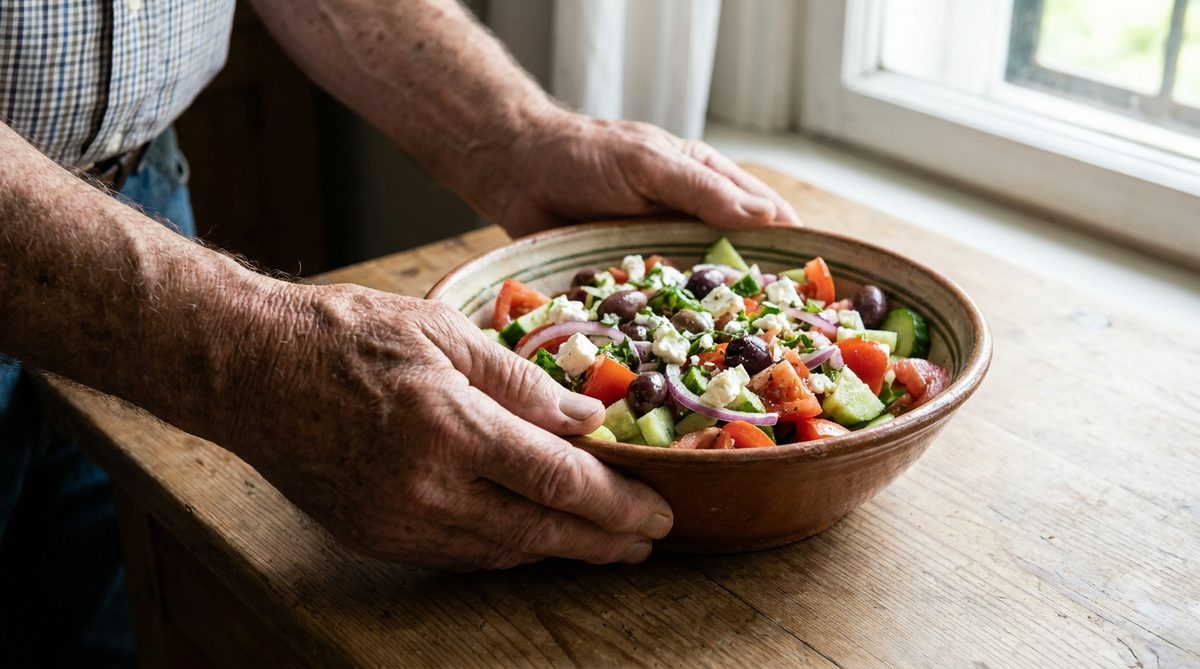
One of the most overlooked areas of improvement for older adults is nutrition. Many of my patients eat the same way they have for 40 years, not realizing that caloric needs, protein requirements, and micronutrient absorption all shift significantly after 60.
When I work with patients to increase protein intake to 1.0-1.2 grams per kilogram of body weight daily — a level supported by the PROT-AGE study group — I see meaningful improvements in muscle mass, energy, and even wound healing. Adding vitamin D supplementation (typically 1,000-2,000 IU daily, blood levels permitting) has helped dozens of my patients reduce fall risk and improve bone density.
If you’re navigating tight budgets while trying to eat well, know that financial stress is a real barrier. Our piece on how Social Security’s 2.8% COLA is failing retirees in 2026 explores how fixed-income challenges are affecting seniors’ ability to afford the basics, including healthy food.
4. Cognitive Flexibility
While certain types of processing speed do slow with age, fluid intelligence and crystallized intelligence tell different stories. Crystallized intelligence — your accumulated knowledge and verbal ability — actually continues to grow well into the 70s. And emerging research on neuroplasticity shows that the brain retains a remarkable capacity to form new connections at any age, particularly when stimulated by novel experiences, social interaction, and physical activity.
What I recommend to my patients: learn something genuinely new every quarter. Not a crossword puzzle (though those are fine) — something that challenges you in an unfamiliar domain. A new language. A musical instrument. A coding class. The discomfort of being a beginner is exactly the signal your brain needs to build new pathways.
5. Social Connection and Purpose
The U.S. Surgeon General’s 2023 advisory on loneliness declared social isolation a public health crisis with health impacts comparable to smoking 15 cigarettes a day. For older adults, this isn’t abstract — it’s the difference between thriving and merely surviving.
But here’s the hopeful part: social connection is one of the most modifiable risk factors in geriatric medicine. I’ve seen patients transform their health trajectories by joining a walking group, volunteering at a food bank, or simply committing to one phone call a day with a friend or family member.
6. Medication and Treatment Optimization
This is a domain where “doing less” can actually mean doing better. Polypharmacy — taking five or more medications simultaneously — affects more than 40% of adults over 65 in the United States. Many of these medications interact in ways that cause dizziness, confusion, fatigue, and falls.
In my practice, I regularly conduct medication reviews where we ask a simple question about each drug: “Is this still necessary, and do the benefits still outweigh the risks?” For many of my patients, deprescribing — carefully reducing unnecessary medications under medical supervision — has been one of the most impactful interventions I can offer. If you’re curious about which routine medical procedures may also be worth reconsidering, this article on 3 medical routines older adults may not need anymore is a valuable read.
A Practical Action Plan: Seven Steps to Thrive, Not Just Survive
I believe in giving my patients — and readers — specific, actionable guidance. Not vague advice to “eat better and exercise more,” but concrete steps with clear rationale. Here is the framework I use with patients who want to take an active role in their own aging process.
- Request a comprehensive medication review. Ask your primary care physician or a geriatrician to evaluate every medication you take. Bring all bottles — including supplements and over-the-counter drugs — to one appointment. The goal: eliminate redundancies, reduce interactions, and ensure every pill you swallow is earning its place.
- Set a daily movement minimum, not a maximum. Start with what’s sustainable — even 10 minutes of walking counts. Research shows that moving from sedentary to “somewhat active” produces the single largest reduction in all-cause mortality. You don’t need a gym membership. You need a pair of shoes and a front door.
- Audit your protein intake for one week. Use a free app like MyFitnessPal or simply write down what you eat. Most older adults I see are consuming 40-60 grams of protein daily when they need 70-90 grams. Add eggs at breakfast, Greek yogurt as a snack, or a handful of nuts with lunch.
- Schedule one novel experience per month. Visit a museum you’ve never been to. Attend a lecture at a community college. Try a new recipe from a cuisine you’ve never cooked. Novelty is the most potent natural stimulus for neuroplasticity.
- Build one new social ritual. A weekly coffee with a neighbor. A standing Sunday call with a grandchild. A monthly book club. Structure matters — vague intentions to “see people more” rarely translate into action.
- Get your key numbers checked annually. Blood pressure, A1C (or fasting glucose), vitamin D level, kidney function, and a lipid panel. Know your numbers the way you know your Social Security number. These are the vital signs of your future.
- Challenge one negative aging belief per week. When you catch yourself thinking “I’m too old for that,” pause. Ask: is that a fact, or is that a story? More often than not, it’s a story — and you can rewrite it.
The Role of Community and Environment
Individual effort matters enormously, but I’d be dishonest if I pretended it was the whole picture. The environment in which you age — your neighborhood, your access to healthcare, your financial stability — shapes outcomes in ways that willpower alone cannot overcome.
Socioeconomic disparities in elderly chronic disease are real and growing. Adults in lower-income brackets are significantly more likely to develop multiple chronic conditions by age 65, have less access to preventive care, and face higher rates of social isolation. These aren’t personal failures — they’re systemic ones.
“How you think about aging literally changes how your body ages. Older adults with positive age perceptions live an average of 7.5 years longer than those with negative beliefs — a bigger effect than quitting smoking.”
This is why community-based programs — senior fairs, local wellness initiatives, age-friendly city designs — matter so much. They lower the barrier to entry for the kinds of interventions that change lives. If you’re planning to age in place, understanding the true costs and logistics is essential; this breakdown of aging-in-place myths is worth your time.
What About Chronic Conditions? Can You Really Improve?
I want to be direct about this, because I’m a physician, not a motivational speaker. If you have heart failure, advanced COPD, or Parkinson’s disease, I’m not going to tell you that a positive attitude will cure you. That would be irresponsible.
What I will tell you is this: even within the context of a serious chronic illness, there is almost always room for improvement in some domain. Maybe your cardiac output won’t change, but your emotional resilience can. Maybe your tremor won’t disappear, but your social engagement can deepen. Maybe your lung function is limited, but your nutritional status can be optimized to support the function you do have.
The Concept of “Functional Reserve”
In geriatric medicine, we talk about “functional reserve” — the gap between your current level of function and the minimum needed to live independently. The goal of good geriatric care isn’t to make you 30 again. It’s to widen that reserve so that when a stressor hits — a fall, a hospitalization, a harsh winter — you have enough buffer to recover rather than spiral.
Every single item on the action plan above contributes to expanding your functional reserve. Exercise builds it physically. Social connection builds it emotionally. Medication optimization protects it from being eroded by iatrogenic harm.
Margaret’s Lesson — and Mine
I started this article with Margaret’s story because it captures something I’ve learned over two decades of caring for older adults: the single most powerful predictor of how someone ages is whether they believe they have agency in the process.
Margaret didn’t have any special advantage. She lived on a fixed income. She had real, diagnosed chronic conditions. She was grieving. But when I told her that her story wasn’t written yet — that the research showed real, measurable improvement was possible — something shifted. She didn’t just accept the next chapter. She started writing it.
If you’re reading this and you’re 55, or 70, or 84, I want you to hear the same thing I told Margaret: aging doesn’t mean decline. Not automatically. Not inevitably. The science says so. My patients prove it every week. And the only thing standing between you and a better next decade might be the decision to stop believing the old story — and start living a new one.
That decision starts today. Not next month. Not after the holidays. Today.
Frequently Asked Questions
Does aging always mean physical and mental decline?
No. Recent longitudinal studies show that nearly 40% of older adults maintain or improve physical functioning over time, and more than half report increased life satisfaction in later years. While some changes are natural, decline is not inevitable — lifestyle, mindset, and medical optimization all play major roles.
At what age is it too late to start exercising?
It's never too late. Research shows adults who begin moderate exercise after age 60 can reduce cardiovascular event risk by 25-30% within two years. Even 10-15 minutes of daily walking provides measurable health benefits, including reduced fall risk and improved blood sugar control.
What is polypharmacy and why is it a concern for seniors?
Polypharmacy refers to taking five or more medications simultaneously, which affects over 40% of adults over 65 in the U.S. It increases the risk of harmful drug interactions, side effects like dizziness and confusion, and falls. A comprehensive medication review with your doctor can identify drugs that may no longer be necessary.
How much protein do older adults actually need each day?
The PROT-AGE study group recommends 1.0 to 1.2 grams of protein per kilogram of body weight daily for older adults — significantly more than the general adult recommendation. For a 150-pound person, that translates to roughly 68-82 grams per day, which helps maintain muscle mass, energy, and wound healing.
Can a positive attitude about aging really affect lifespan?
Yes. Research from the Yale School of Public Health found that older adults with positive perceptions of aging lived an average of 7.5 years longer than those with negative beliefs — a greater impact than factors like smoking, obesity, or physical inactivity. Mindset measurably influences biological aging processes including stress hormones and immune function.
About Dr. James Roberts, MD, Board-Certified in Geriatrics
Dr. James Roberts is a board-certified geriatrician with 22 years of clinical experience caring for American seniors. He specializes in chronic disease management, medication safety, cognitive health, and senior wellness. Dr. Roberts is passionate about translating the latest medical research into clear, practical guidance that helps older adults make confident, informed decisions about their health. At Daily Trends Now, his articles are based on peer-reviewed studies and authoritative sources such as the CDC, Mayo Clinic, and the National Institute on Aging.