
Why Healthy Aging Habits Matter More After 60
I’ve spent 18 years as a board-certified geriatric physical therapist working with adults in their 60s, 70s, 80s, and beyond. If there’s one thing I’ve learned, it’s this: the habits you build—or neglect—after age 60 determine far more about your quality of life than your genetics ever will.
According to the National Institute on Aging, roughly 85% of older adults live with at least one chronic condition, and 60% manage two or more. Those are sobering numbers. But the research is equally clear that lifestyle changes made even in your 60s and 70s can dramatically reduce disability, hospitalization, and cognitive decline.
The headlines in 2025 and 2026 are full of “age-defying” promises and miracle supplements. I want to cut through the noise. Below are seven healthy aging habits that I’ve seen produce real, measurable results in my patients—backed by peer-reviewed evidence, not marketing hype.
“The single greatest predictor of whether my patients maintain their independence past age 80 isn’t their diagnosis—it’s whether they move consistently, eat intentionally, and stay socially connected. Period.”
1. Prioritize Strength Training Over Cardio Alone
Most of the adults I treat are surprised when I tell them that strength training matters more than walking as they age. Don’t misunderstand—walking is wonderful. But sarcopenia, the age-related loss of muscle mass, begins accelerating after age 60 and is responsible for the majority of falls, fractures, and functional decline I see in clinical practice.
The CDC reports that one in four Americans aged 65 and older falls each year, and falls remain the leading cause of injury-related death in that age group. Resistance training two to three times per week has been shown to reduce fall risk by up to 40%.
Where to Start
You don’t need a gym membership. Bodyweight exercises like chair squats, wall push-ups, and standing heel raises are enough to begin rebuilding muscle. I often tell my patients to think of strength training as a prescription, not an option. If your doctor prescribed a medication that reduced your fall risk by 40%, you’d take it without question—treat resistance exercise the same way.
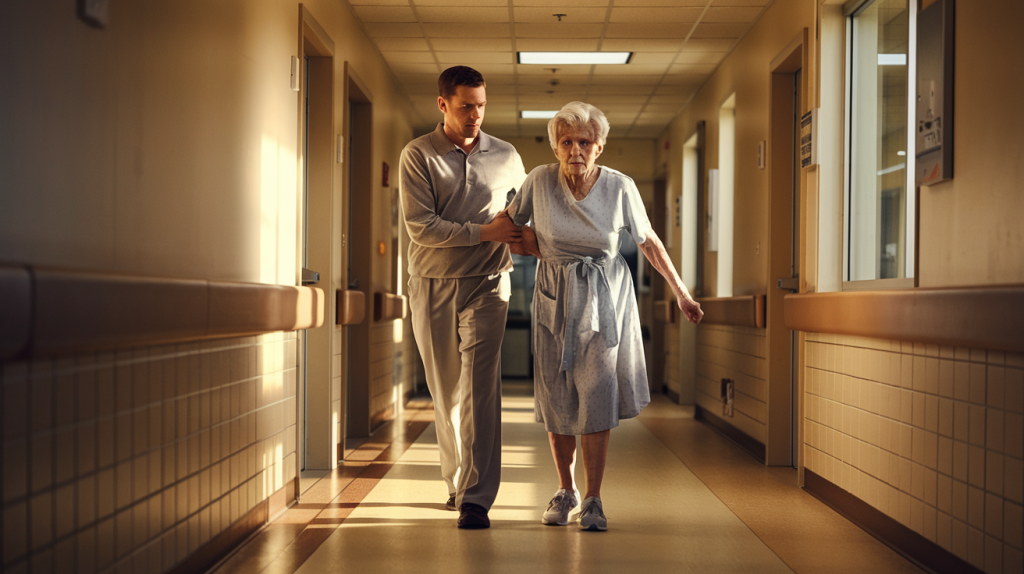
If you’ve been hospitalized recently, this is even more critical. Muscle loss during a hospital stay can be devastating for older adults. For more on this, read Why Elderly Patients in the Hospital Need to Keep Moving.
2. Eat Enough Protein—Most Seniors Don’t
Here’s a statistic that alarms me: research published in the Journal of the American Medical Directors Association found that up to 46% of older adults in the U.S. don’t consume enough protein to maintain muscle mass. The current recommendation for adults over 65 is 1.0 to 1.2 grams of protein per kilogram of body weight per day—significantly higher than the generic 0.8 g/kg recommendation you’ll see on nutrition labels.
For a 160-pound adult, that translates to roughly 73 to 87 grams of protein daily. Most of my patients are getting half that when we first assess their intake.
Practical Protein Strategies
- Aim for 25–30 grams of protein at each meal (roughly a palm-sized portion of chicken, fish, or Greek yogurt).
- Don’t skip breakfast protein—eggs, cottage cheese, or a protein-rich smoothie can set the tone for the day.
- Add beans, lentils, or nuts to salads and soups for a plant-based protein boost.
- Consider a whey or plant-based protein powder if you struggle to eat enough whole food protein—especially after illness or surgery.
- Spread your protein intake across three meals rather than loading it all at dinner, which improves muscle protein synthesis.
If you’ve heard myths about seniors needing less protein or that supplements are pointless after a certain age, I’d recommend reading 5 Healthy Aging Myths Debunked by a Dietitian Over 50 for a thorough breakdown.

3. Protect Your Balance Before You Lose It
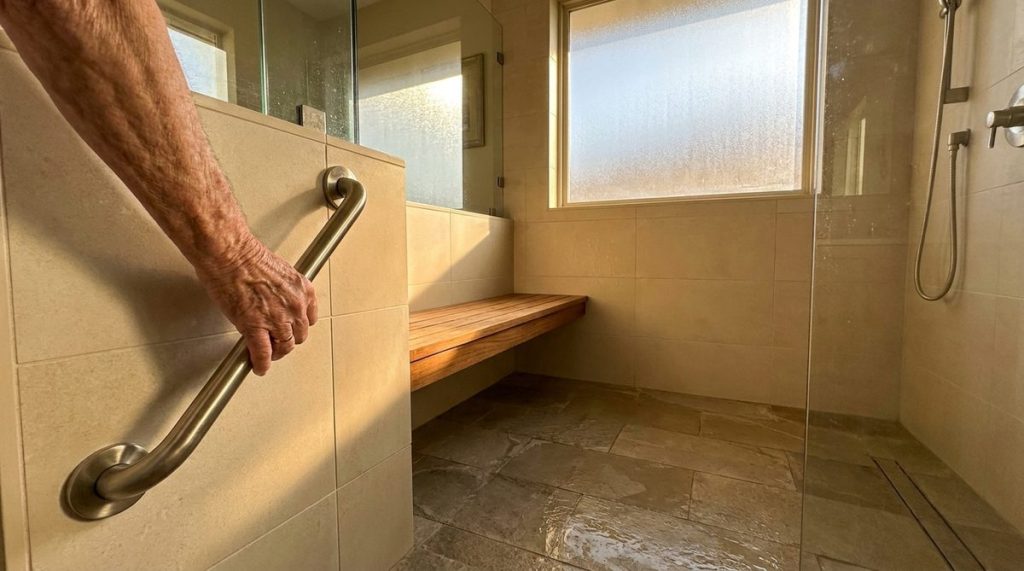
Balance doesn’t deteriorate overnight. It erodes gradually—so gradually that most people don’t notice until they stumble off a curb or slip in the bathroom. What I see most often is patients who tell me, “I was fine until the fall.” But when we test their balance, the deficits were there for years.
The Mayo Clinic identifies balance training as one of the four essential types of exercise for older adults, alongside endurance, strength, and flexibility. Yet it’s the one most people skip entirely.
A Simple Daily Balance Routine
Stand near a kitchen counter (for safety) and practice single-leg stands for 30 seconds per side. Progress to tandem stance (heel-to-toe), then try it with your eyes closed. Tai chi and yoga are also excellent—a 2023 BMJ meta-analysis found that tai chi reduced fall rates in older adults by 20% compared to conventional exercise programs.
Spend five minutes on balance work every day. It’s the cheapest insurance policy you’ll ever invest in.
4. Stay Socially Connected—It’s a Health Intervention
Loneliness isn’t just unpleasant. According to the CDC, social isolation among older adults is associated with a 50% increased risk of dementia, a 29% increased risk of heart disease, and a 32% increased risk of stroke. Those numbers rival the health risks of smoking 15 cigarettes a day.
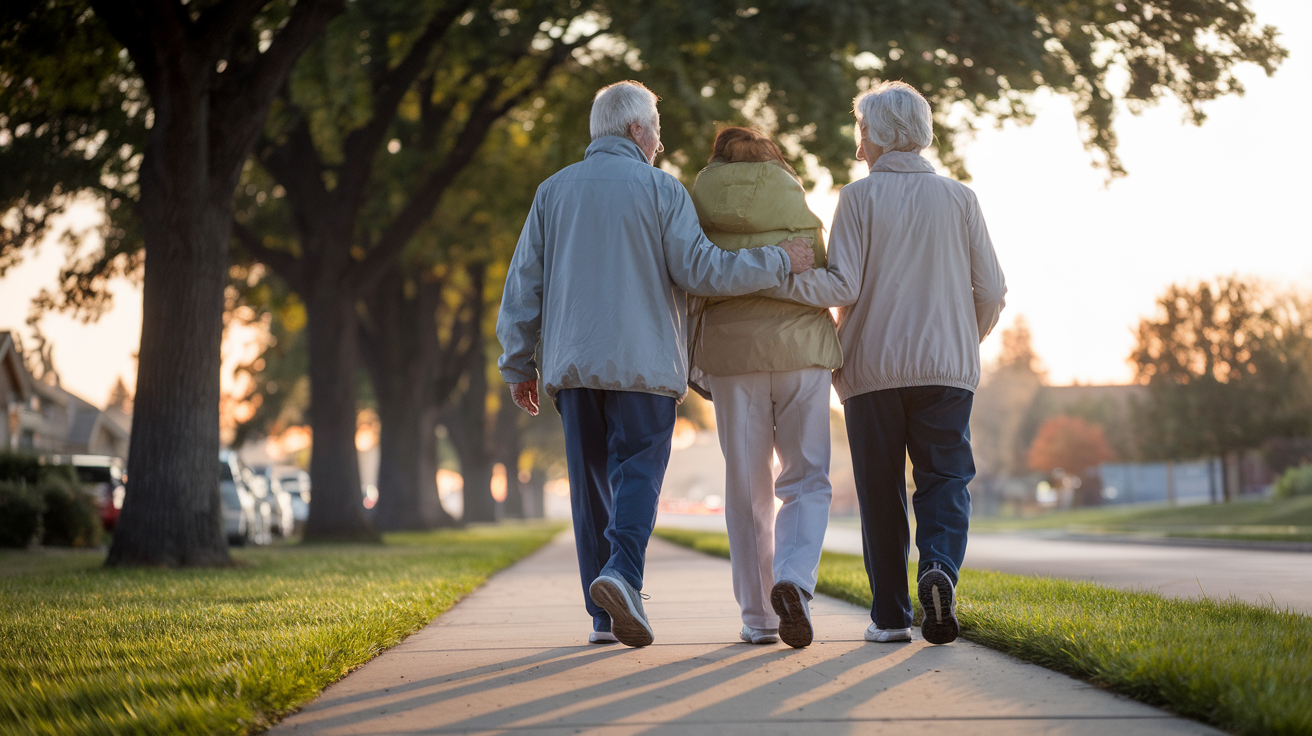
In my practice, the patients who recover fastest from surgeries, injuries, and hospitalizations are almost always the ones with strong social networks. They have someone checking in, someone to walk with, someone who notices when they’re not themselves.
Building Connection After 60
Retirement, relocation, and the loss of a spouse or close friends can shrink your social world rapidly. Be proactive: join a local walking group, volunteer at a community organization, or take a class at your local community college. Video calls count too—a 2024 study from the University of Michigan found that regular virtual social contact reduced loneliness scores in homebound older adults by 27%.
And be cautious about where you connect online. Scammers increasingly target isolated older adults through social media and email. If you’re engaging more digitally, make sure you’re protecting yourself—this guide on seniors and online scams is a smart read.
5. Manage Chronic Conditions Aggressively, Not Passively
Too many of the older adults I work with treat chronic conditions like diabetes, hypertension, and osteoarthritis as inevitable consequences of aging that just need to be “lived with.” While these conditions are common, passive management—taking your pills and hoping for the best—leads to far worse outcomes than active, engaged management.
A 2024 report from the National Council on Aging found that 94% of adults over 60 have at least one chronic condition, and effective self-management can reduce emergency room visits by up to 30%.
What Active Management Looks Like
Active management means knowing your numbers: your A1C, your blood pressure readings over time, your bone density T-scores, your cholesterol panel. It means asking your doctor questions like, “What can I do beyond medication to improve this?” and “What are the warning signs that my condition is progressing?”
I tell my patients to bring a written list of questions to every medical appointment. Studies show that patients who actively participate in shared decision-making with their physicians have better adherence, fewer complications, and higher satisfaction with care. You are the CEO of your health—your doctors are your advisors.
6. Prioritize Sleep Quality Over Sleep Quantity
The myth that older adults need less sleep has done enormous damage. According to the National Institute on Aging, adults over 65 still need seven to nine hours of sleep per night, but changes in circadian rhythm, medication side effects, and conditions like sleep apnea make quality sleep harder to achieve.
Poor sleep isn’t just about fatigue. Chronic sleep disruption is linked to increased inflammation, impaired glucose metabolism, accelerated cognitive decline, and a higher risk of falls. In my geriatric practice, I’ve noticed that patients with untreated sleep apnea or severely fragmented sleep consistently plateau in their physical therapy progress.
Sleep Hygiene Steps That Actually Help
- Keep a consistent wake time—even on weekends. Your circadian rhythm depends on regularity.
- Limit caffeine after noon and alcohol within three hours of bedtime (alcohol fragments deep sleep stages).
- Talk to your doctor about a sleep study if you snore loudly, wake gasping, or feel exhausted despite adequate time in bed. Undiagnosed sleep apnea is extremely common in adults over 60.
- Keep your bedroom cool (65–68°F), dark, and reserved for sleep—not for scrolling news on your tablet.
- If napping, keep it to 20–30 minutes before 2 PM. Extended or poorly timed naps can disrupt nighttime sleep and may carry their own health risks—read more about what new data reveals about morning naps and mortality risk.
7. Invest in Preventive Screenings and Vaccinations
Prevention is the most underutilized tool in healthy aging. I meet patients every month who haven’t had a bone density scan despite multiple risk factors, or who skipped their shingles vaccine because they “didn’t think it was necessary.”
The numbers speak for themselves: shingles affects approximately one in three Americans during their lifetime, and the risk increases dramatically after 50. The Shingrix vaccine is over 90% effective at preventing shingles and its debilitating complication, postherpetic neuralgia. Yet Healthline reports that vaccination rates among eligible adults remain well below target levels.
Your Preventive Checklist After 60
Make sure you’re current on these essential screenings and vaccines:
- Bone density scan (DEXA): Recommended for all women over 65 and men over 70, or earlier with risk factors like steroid use or a family history of osteoporosis.
- Colonoscopy: The U.S. Preventive Services Task Force recommends colorectal cancer screening through age 75, with individualized decisions for ages 76–85.
- Annual wellness visit: Medicare covers a free annual wellness visit—use it. This is your chance for a comprehensive review of medications, fall risk, cognitive function, and preventive care gaps.
- Vaccinations: Stay current on flu (annually), COVID-19 boosters, Shingrix (two doses if you haven’t received it), pneumococcal vaccines (PCV20 or PCV15 + PPSV23), and Tdap/Td boosters.
- Vision and hearing checks: Annual eye exams and hearing assessments catch problems early—both are linked to fall risk and cognitive decline when left unaddressed.
Putting It All Together: A Realistic Weekly Framework
I know seven habits can feel overwhelming when you’re already managing medications, appointments, and daily life. So here’s how I suggest my patients structure their week:
- Monday, Wednesday, Friday: 20–30 minutes of strength training (bodyweight or light resistance bands), plus 5 minutes of balance work.
- Tuesday, Thursday, Saturday: 30 minutes of walking, swimming, or cycling for cardiovascular health.
- Daily: Aim for 25–30 grams of protein at each meal, practice good sleep hygiene, and reach out to at least one friend or family member.
- Monthly: Review your chronic condition numbers (blood pressure log, glucose readings) and update your medication list.
- Annually: Schedule your wellness visit, update vaccinations, and complete age-appropriate screenings.
This isn’t about perfection. It’s about consistency. In my 18 years of clinical work, I’ve watched patients in their 80s regain the ability to climb stairs, play with grandchildren, and travel independently—not because they found some secret, but because they committed to these fundamentals week after week.
The Bottom Line on Healthy Aging Habits
Healthy aging after 60 isn’t about defying your age—it’s about working with your body intelligently so you can keep doing the things that matter to you. Strength training, adequate protein, balance work, social connection, active chronic disease management, quality sleep, and preventive care are not glamorous. They won’t make headlines. But they work.
Start with one habit this week. Master it. Then add another. The research is clear, and my clinical experience confirms it daily: it is never too late to build a stronger, more independent future. Your 70-year-old self—or your 90-year-old self—will thank you.
About Michael Torres, DPT, Board-Certified Geriatric Specialist
Michael Torres is a Doctor of Physical Therapy and board-certified geriatric clinical specialist with 18 years of experience working with older adults. He has treated thousands of seniors recovering from hip replacements, managing arthritis, rebuilding strength after hospitalizations, and preventing dangerous falls. At Daily Trends Now, Michael writes practical guides on exercises, mobility, pain management, and the physical strategies that help seniors stay strong and independent.