


Key Takeaways
- Research from the CALERIE trial shows a modest 12-14% calorie reduction can slow biological aging markers by 2-3% per year.
- Seniors over 65 face unique risks from caloric restriction, including accelerated muscle loss, bone density decline, and nutrient deficiencies.
- Protein intake of at least 1.0-1.2 grams per kilogram of body weight daily is critical for older adults attempting any calorie reduction strategy.
- Nutrient density—not just calorie counting—is the cornerstone of safe caloric restriction for healthy aging.
- Always consult a physician and registered dietitian before starting any calorie-reduction plan, especially if you take medications or manage chronic conditions.
The Science Behind Cutting Calories to Slow Aging
For decades, the idea that eating less could help you live longer seemed too simple—almost too good—to be true. But a growing body of rigorous clinical research is now confirming what animal studies suggested for nearly a century: moderate caloric restriction can measurably slow the biological aging process in humans.
The landmark CALERIE trial (Comprehensive Assessment of Long-term Effects of Reducing Intake of Energy), published in Nature Aging in 2023, followed 220 healthy adults over two years. Participants who reduced their calorie intake by roughly 12% experienced a 2-3% slower pace of biological aging as measured by the DunedinPACE epigenetic clock. That may sound modest, but the researchers estimated it could translate to a 10-15% reduction in mortality risk—comparable to the effect of quitting smoking.
In my 15 years of clinical practice as a registered dietitian working with older adults, I’ve watched this research evolve from fringe theory to mainstream science. But here’s what concerns me: the headlines about cutting calories to slow aging rarely mention the serious risks this approach poses for people over 65. And that’s exactly who I want to reach with this article.
Why Seniors Need a Different Approach Than Younger Adults
Most caloric restriction research—including the CALERIE trial—enrolled participants between the ages of 21 and 50. That’s a critical detail. The metabolic, hormonal, and musculoskeletal profile of a 70-year-old is fundamentally different from that of a 35-year-old, and a calorie-cutting strategy that benefits one group can genuinely harm the other.
The Sarcopenia Problem
After age 30, adults lose approximately 3-8% of their muscle mass per decade, and the rate accelerates after 60. This age-related muscle loss, called sarcopenia, affects an estimated 10-16% of older adults worldwide, according to the National Institute on Aging. Cutting calories without carefully protecting protein intake can dramatically accelerate this process.
I often tell my clients that muscle is the currency of independence in later life. Lose too much of it, and everyday tasks—carrying groceries, climbing stairs, getting up from a chair—become dangerous. A 2022 study in the Journal of Gerontology found that seniors who lost more than 5% of lean mass over two years had a 40% higher risk of falls and fractures.
Bone Density at Stake
Caloric restriction also threatens bone health. The CALERIE trial itself documented a measurable decline in bone mineral density among the calorie-restricted group. For a 35-year-old with peak bone mass, that’s a manageable trade-off. For a 72-year-old woman already at risk of osteoporosis, it could mean the difference between an active life and a hip fracture that leads to a nursing home admission.
Research confirms that physical health is key to seniors’ mental health, and losing mobility due to fractures or weakness can trigger depression and cognitive decline in older adults.
Nutrient Deficiency Risks
When you eat fewer calories, you have fewer opportunities to meet your micronutrient needs. Seniors already tend to absorb vitamins B12, D, and calcium less efficiently. A blanket calorie cut without strategic food choices can push older adults into deficiency territory within weeks—not months.
What “Cutting Calories to Slow Aging” Actually Looks Like for Seniors
So does this mean older adults should ignore the caloric restriction research entirely? Not at all. What it means is that the approach must be modified—significantly—to account for the realities of an aging body. Here’s the framework I use with my clients over 65.
Focus on Caloric Efficiency, Not Caloric Deprivation
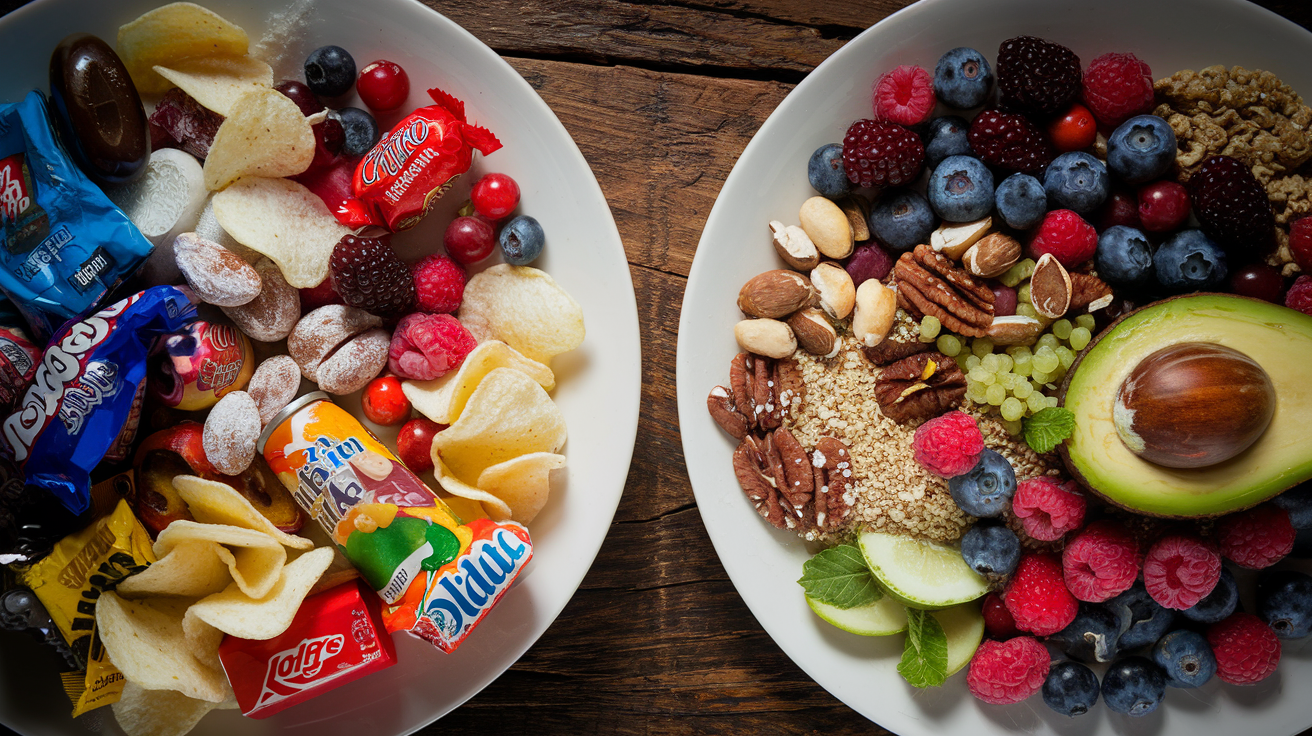
Rather than slashing total calories by a fixed percentage, I recommend what I call a “nutrient-density swap” strategy. The goal isn’t to eat dramatically less food—it’s to eliminate empty calories (added sugars, refined grains, ultra-processed snacks) and replace them with nutrient-rich whole foods that deliver more vitamins, minerals, protein, and fiber per calorie.
For many of my senior clients, this approach naturally reduces daily intake by 150-300 calories without any deliberate restriction. That’s a 7-15% reduction for someone eating 2,000 calories a day—right in the range the CALERIE trial found beneficial.
Protect Protein at All Costs
The Mayo Clinic recommends that older adults consume at least 1.0-1.2 grams of protein per kilogram of body weight daily—and many geriatric nutrition experts, including myself, push that closer to 1.2-1.5 g/kg for active seniors. For a 160-pound (73 kg) older adult, that translates to roughly 73-110 grams of protein per day.
When calories are being reduced, protein must remain untouched or even increased. This is non-negotiable. Every meal should include a quality protein source: eggs, Greek yogurt, fish, poultry, legumes, or a fortified plant protein.
A Step-by-Step Plan for Safe Caloric Adjustment After 65
If you’re interested in exploring moderate calorie reduction to support healthy aging, here is the process I walk my clients through:
- Get a comprehensive health assessment. Schedule a visit with your primary care physician. Request bloodwork including a complete metabolic panel, vitamin D, B12, iron, thyroid function, and a DEXA bone density scan if you haven’t had one in the past two years.
- Establish your baseline intake. Track everything you eat and drink for seven consecutive days using a free app like MyFitnessPal or Cronometer. Don’t change anything yet—just observe.
- Identify empty-calorie targets. Review your food log with a registered dietitian (many accept Medicare). Circle items that provide calories but minimal nutrition: sugary beverages, white bread, pastries, chips, candy, alcohol.
- Make one swap per week. Replace one empty-calorie item with a nutrient-dense alternative each week. For example, swap a 250-calorie muffin for a 150-calorie bowl of oatmeal with berries and walnuts. You’ve just cut 100 calories and tripled your fiber and antioxidant intake.
- Monitor protein at every meal. Aim for 25-30 grams of protein per meal, spread across three meals. This distribution optimizes muscle protein synthesis better than loading all your protein at dinner.
- Add resistance exercise. Caloric restriction without strength training is a recipe for muscle loss. The CDC recommends older adults perform muscle-strengthening activities at least two days per week. Even chair-based exercises count.
- Reassess every 90 days. Weigh yourself, track your energy levels, and repeat bloodwork at three months. If you’re losing more than 1-2 pounds per month, you’re cutting too much.
Nutrient-Dense Swaps That Cut Calories Without Cutting Nutrition
The table below illustrates common food swaps I recommend to my senior clients. Notice that in every case, the replacement delivers significantly more nutritional value while reducing calorie intake.
| Common Food | Calories | Nutrient-Dense Swap | Calories | Key Nutrients Gained |
|---|---|---|---|---|
| Blueberry muffin (large) | 420 | Oatmeal with blueberries & walnuts | 280 | Fiber, omega-3s, antioxidants |
| White toast with butter (2 slices) | 310 | Whole-grain toast with avocado | 250 | Fiber, potassium, healthy fats |
| Soda (12 oz can) | 140 | Sparkling water with lemon | 0 | Hydration without added sugar |
| Ice cream (1 cup) | 270 | Greek yogurt with berries & honey | 180 | Protein (15g), calcium, probiotics |
| Fried chicken breast | 360 | Grilled chicken breast with herbs | 190 | Same protein, 50% less fat |
| Potato chips (1 oz bag) | 150 | Mixed nuts (1 oz) | 170 | Vitamin E, magnesium, healthy fats |
| Fruit juice (8 oz) | 110 | Whole orange | 62 | Fiber, slower sugar absorption |
Over the course of a day, these swaps can easily reduce intake by 200-400 calories while substantially increasing your intake of protein, fiber, vitamins, and minerals. That’s the sweet spot for seniors: fewer empty calories, more nutritional firepower.

What the “Super Agers” Actually Eat
Some of the most compelling evidence for this approach comes not from clinical trials but from observational studies of so-called “super agers”—people who maintain sharp cognitive function and physical vitality well into their 80s and 90s.
Research from Northwestern University’s SuperAging Research Program has identified several dietary patterns common among these exceptional older adults. They don’t starve themselves. They don’t follow extreme diets. What they consistently do is:
- Eat moderate portions of whole, minimally processed foods
- Consume fish or seafood at least twice per week
- Include abundant colorful vegetables and fruits daily
- Limit—but don’t entirely eliminate—alcohol (typically one glass of wine with dinner)
- Maintain consistent meal timing rather than skipping meals
These patterns closely mirror the Mediterranean diet, which a 2023 meta-analysis in The BMJ associated with a 25% lower risk of all-cause mortality in adults over 65. This aligns with newer research showing that aging doesn’t mean decline—many older adults actually improve their health markers over time when they adopt evidence-based habits.
The Financial Side: Eating Better Doesn’t Have to Cost More
One concern I hear constantly from my senior clients is cost. With healthcare costs rising 7.7% while COLA adjustments lag far behind, many retirees feel they can’t afford to eat “healthy.” But here’s what I see most often when we audit food spending: the nutrient-density swap approach frequently saves money.
Consider the numbers. The average American over 65 spends approximately $4,870 per year on food at home, according to the Bureau of Labor Statistics’ 2023 Consumer Expenditure Survey. A significant portion of that goes to processed snacks, sugary beverages, and convenience foods that are calorie-dense but nutritionally empty.
Budget-Friendly Nutrient-Dense Staples
- Dried beans and lentils: $1.50-2.00 per pound, yielding 6-8 servings of protein-rich food
- Frozen vegetables: $1.00-2.50 per bag, nutritionally equivalent to fresh
- Eggs: Approximately $3.50-4.00 per dozen (2025 average), providing 12 servings of complete protein
- Canned sardines/salmon: $2.00-3.50 per can, packed with omega-3s, calcium, and vitamin D
- Oats (store brand): $0.15-0.20 per serving
When you eliminate the $4.50 daily soda habit ($1,642/year) or the $6.00 bag of premium chips consumed weekly ($312/year), the savings cover most—if not all—of the cost of higher-quality whole foods.
Intermittent Fasting vs. Caloric Restriction: Which Is Safer for Seniors?
Many of my clients ask about intermittent fasting (IF)—particularly the popular 16:8 method (eating within an 8-hour window)—as an alternative to traditional caloric restriction. This deserves a nuanced answer.
A 2023 study published in the New England Journal of Medicine found that time-restricted eating did not produce superior weight loss or metabolic benefits compared to simple calorie reduction in adults under 60. And for seniors specifically, intermittent fasting carries additional concerns:
- Medication timing: Many medications commonly prescribed to older adults—including certain diabetes drugs, blood pressure medications, and thyroid hormones—require food for proper absorption or to prevent side effects.
- Hypoglycemia risk: Seniors on sulfonylureas or insulin who fast for extended periods face dangerous blood sugar drops.
- Muscle breakdown: Extended fasting windows (16+ hours) can accelerate muscle protein breakdown, worsening sarcopenia.
- Reduced appetite compounding: Many older adults already struggle with diminished appetite. Adding a restricted eating window can lead to dangerously low total intake.
My professional recommendation for most adults over 65: stick with moderate daily calorie reduction through nutrient-dense food choices rather than time-restricted eating. If you’re interested in IF, work closely with your healthcare team and never fast for more than 12 hours without medical supervision.
Red Flags: When to Stop or Avoid Caloric Restriction Entirely
Cutting calories to slow aging is not appropriate for everyone. I strongly advise against any form of caloric restriction if you:
- Have a BMI below 22 (underweight or low-normal for seniors)
- Have been diagnosed with or are at high risk for osteoporosis
- Are currently undergoing cancer treatment or recovering from surgery
- Have a history of eating disorders
- Experience unintentional weight loss of more than 5% in the past 6 months
- Have advanced kidney disease or are on dialysis
- Take medications that require consistent caloric intake (consult your pharmacist)
According to Healthline, unintentional weight loss in seniors is itself a major risk factor for increased mortality—losing weight when you shouldn’t be is far more dangerous than carrying a few extra pounds.
The Bottom Line: Longevity Isn’t About Eating Less—It’s About Eating Smarter
The caloric restriction research is genuinely exciting, and I believe it represents an important piece of the longevity puzzle. But for Americans over 65, the practical application isn’t about counting every calorie or going hungry. It’s about a strategic shift toward nutrient-dense eating that naturally—and safely—reduces excess caloric intake while flooding your body with the building blocks it needs to maintain muscle, bone, brain function, and vitality.
In my clinical experience, the seniors who age most successfully aren’t the ones obsessing over calorie counts. They’re the ones who eat real food, stay physically active, maintain social connections, and approach their health with curiosity rather than fear. The science of caloric restriction simply reinforces what these “super agers” have been showing us all along: quality beats quantity, at the table and in life.
With significant retirement expenses to plan for in 2026, investing in your nutritional health now is one of the smartest financial and medical decisions you can make. Every dollar spent on quality food is a dollar you’re less likely to spend on hospitalization, rehabilitation, or long-term care down the road.
If you take one thing away from this article, let it be this: you don’t need to starve to slow aging. You just need to eat smarter. And it’s never too late to start.
Frequently Asked Questions
How many calories should a senior cut to slow aging safely?
Most research suggests a 10-15% reduction from your baseline intake is beneficial—typically 150-300 fewer calories per day for older adults. Never go below 1,500 calories daily without medical supervision.
Can caloric restriction reverse aging that has already occurred?
Current evidence shows caloric restriction can slow the pace of biological aging but has not been proven to reverse existing age-related damage. However, improved nutrition can help restore some markers like inflammation levels and insulin sensitivity.
Is caloric restriction safe for seniors with diabetes?
It can be, but only under close medical supervision. Reducing calories affects blood sugar and may require medication adjustments. Never change your diet significantly without consulting your endocrinologist or primary care physician.
Do I need to take supplements if I reduce my calorie intake?
Possibly. A registered dietitian can assess your specific needs, but most seniors reducing calories should at minimum ensure adequate vitamin D (1,000-2,000 IU daily), calcium (1,200 mg daily), and vitamin B12 (2.4 mcg daily) through food or supplements.
Will cutting calories make me feel tired or weak?
A moderate, well-planned calorie reduction should not cause fatigue. If you feel consistently tired, weak, or dizzy, you are likely cutting too many calories or missing key nutrients—stop and consult your healthcare provider immediately.
About Dr. Linda Park, PhD, RD (Registered Dietitian)
Dr. Linda Park is a Registered Dietitian with a PhD in Nutritional Science and 15 years of clinical and research experience focused on older adults. She has published peer-reviewed research on the role of nutrition in managing diabetes, cardiovascular health, and cognitive decline in seniors. At Daily Trends Now, Dr. Park writes evidence-based articles on senior nutrition, supplement safety, meal planning, and the foods that truly make a difference for aging well.