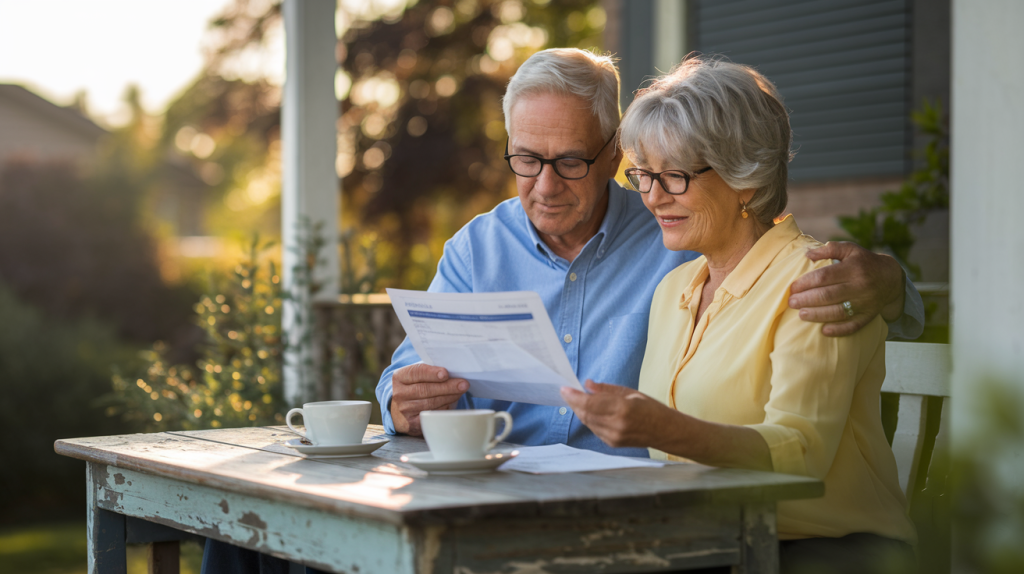

A Groundbreaking Study Is Changing How We Think About Getting Older
For decades, society has painted aging with a single brush — one of inevitable decline, lost abilities, and diminishing quality of life. But a powerful new study is turning that outdated narrative on its head, and the findings should give every American senior a reason to feel optimistic.
Researchers have discovered that aging doesn’t mean decline for a significant number of older adults. In fact, many people over 60 actually improve in key areas of physical function, mental well-being, and life satisfaction as the years go by. This isn’t wishful thinking — it’s science, and it’s reshaping how medical professionals and families approach healthy aging.
If you’ve ever felt like getting older is all downhill, keep reading. The evidence says otherwise, and there are practical steps you can take today to put yourself on the path of improvement rather than decline.
What the Research Actually Found
The study, which analyzed data from thousands of older adults over multiple years, found that while some individuals did experience gradual decline, a surprisingly large group showed measurable improvements in areas like mobility, cognitive sharpness, emotional resilience, and overall well-being.
According to the National Institute on Aging, research increasingly shows that the trajectory of aging is far more varied than previously assumed. Not everyone follows the same path, and genetics account for only about 25% of how we age. The rest comes down to lifestyle, environment, social connections, and mindset.
This is a game-changer. It means that aging doesn’t mean decline is more than a motivational slogan — it’s a scientifically supported reality for millions of seniors who take proactive steps to care for their health.

Why Some Seniors Actually Get Better With Age
So what separates the older adults who improve from those who struggle? Researchers identified several key factors that consistently appeared among those who defied the stereotype of decline.
1. Staying Physically Active
You don’t need to run marathons. The seniors who showed the most improvement engaged in regular, moderate physical activity — walking, swimming, gardening, or gentle strength training. The CDC recommends at least 150 minutes of moderate aerobic activity per week for adults aged 65 and older, along with muscle-strengthening activities twice a week.
Even small amounts of daily movement can reduce the risk of heart disease, improve balance, and boost mood. The key is consistency, not intensity.
2. Maintaining Strong Social Connections
Loneliness is one of the greatest threats to senior health, with studies comparing its physical effects to smoking 15 cigarettes a day. Older adults who maintained active social lives — whether through community groups, family gatherings, volunteer work, or even regular phone calls — showed marked improvements in both mental and physical health.
3. Prioritizing Mental Engagement
Keeping the brain active through reading, puzzles, learning new skills, or engaging in meaningful conversations was strongly associated with cognitive improvement. The Mayo Clinic notes that lifelong learning and mental stimulation can help build cognitive reserve, potentially delaying or even preventing symptoms of dementia.
4. Having a Sense of Purpose
Perhaps the most powerful finding was this: seniors who reported having a strong sense of purpose — whether through caregiving, mentoring, creative pursuits, or faith — were significantly more likely to show improvement over time. Purpose gives people a reason to get up in the morning, and that reason can be profoundly protective.
For more inspiring insights on this topic, read about the 5 Secrets From Super Agers: How Seniors Can Live Longer.
The Dangers of Believing the Decline Myth
Here’s something many people don’t realize: believing that aging automatically means decline can actually cause decline. Researchers call this a “self-fulfilling prophecy.” When seniors internalize negative stereotypes about getting older, they’re less likely to exercise, seek medical care, try new things, or invest in their own well-being.
This mindset can also make seniors more vulnerable to misinformation. As we’ve reported, deceitful AI videos are actively misleading seniors on important health issues, often preying on fears about aging and illness. Staying informed through trusted sources is more important than ever.
The truth is that aging doesn’t mean decline — but believing it does can rob you of the motivation to live your best years. Rejecting that myth is the first step toward thriving.

Practical Steps You Can Take Starting Today
The research is encouraging, but it’s only useful if you put it into action. Here are evidence-based steps any senior can begin implementing right now:
- Move your body daily. Even a 20-minute walk around the neighborhood counts. Start small and build gradually.
- Schedule social time. Call a friend, join a local club, attend a faith service, or sign up for a community class. Connection is medicine.
- Challenge your brain. Try crossword puzzles, learn a new recipe, pick up a musical instrument, or take a free online course.
- Visit your doctor regularly. Preventive care — including screenings, vaccinations, and honest conversations about how you’re feeling — can catch problems early and keep you on an upward trajectory.
- Eat for fuel. A Mediterranean-style diet rich in fruits, vegetables, whole grains, lean protein, and healthy fats has been consistently linked to better aging outcomes.
- Protect your mental health. Don’t dismiss feelings of sadness or anxiety. Talk to your doctor or a counselor. Mental health care is just as important as physical care.
- Find your purpose. Volunteer, mentor a young person, start a garden, write your memoirs — anything that makes you feel needed and engaged.
Planning for the Future With Confidence
Embracing the fact that aging doesn’t mean decline also means planning wisely for the years ahead. Financial security plays a significant role in healthy aging, and understanding what’s changing can help you stay prepared.
If you’re navigating retirement planning, make sure you’re aware of 9 ways retirement will be different in 2026 for seniors. And with healthcare costs shifting, it’s essential to understand higher Medicare costs in 2026 and what seniors must know now.
When your finances are in order, you’re free to focus on what truly matters — living well, staying connected, and continuing to grow.
The Bottom Line: Your Best Years May Still Be Ahead
The science is clear, and the message is hopeful. Aging doesn’t mean decline. For many older adults, the later years bring greater emotional stability, deeper relationships, sharper self-awareness, and a richer appreciation for life.
You are not defined by a number on a birthday cake. You are defined by how you choose to live each day — and the choices you make today can lead to genuine improvement tomorrow. Don’t let outdated stereotypes hold you back. The research says the best may truly be yet to come.