

Deceitful AI Videos Are Targeting Seniors With Dangerous Health Misinformation
If you’ve scrolled through Facebook, YouTube, or even received a video link from a well-meaning friend recently, chances are you’ve encountered health advice that seemed too good—or too alarming—to be true. That’s because a growing wave of deceitful AI videos is flooding the internet, and seniors are the number one target.
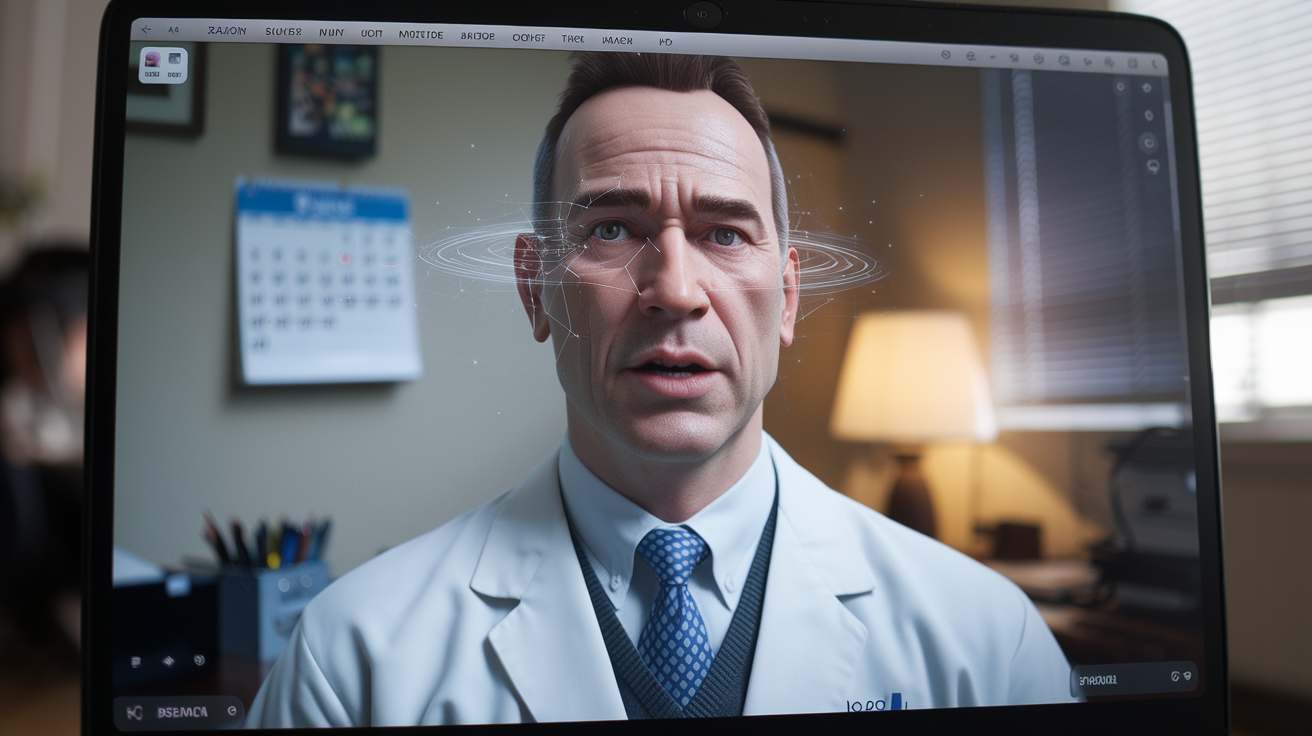
These aren’t the obviously fake videos of years past. Today’s artificial intelligence can generate realistic-looking doctors, complete with white coats and stethoscopes, delivering confident medical advice that is completely fabricated. The result? Millions of older Americans are being misled on critical health topics ranging from cancer cures to heart disease treatments.
Understanding how these deceitful AI videos work—and how to protect yourself—has never been more important for your health and safety.
Why Seniors Are the Primary Target
Scammers and bad actors know that older adults are among the most health-conscious demographics in America. Seniors are more likely to search for information about chronic conditions, medications, and wellness strategies. That makes them the perfect audience for misleading content.
According to the National Institute on Aging, older adults are increasingly turning to online sources for health information, yet many lack the digital literacy training needed to distinguish credible sources from fabricated ones. This knowledge gap creates a dangerous vulnerability.
Deceitful AI videos exploit this vulnerability by presenting misinformation in the most convincing format possible—a trustworthy-looking medical professional speaking directly to the viewer. These videos often promote unproven supplements, discourage proven treatments, or spread fear about safe medications like blood thinners and statins.
How AI-Generated Health Misinformation Works
Modern AI tools can create what experts call “deepfake” videos in minutes. A computer-generated face, a cloned voice, and a professional-looking background are stitched together to create a video that looks indistinguishable from a real doctor’s advice.
Here’s what makes these videos so dangerous:
- Realistic appearances: AI-generated doctors look authentic, with natural facial expressions and lip movements synced to speech.
- Emotional manipulation: The videos often use fear-based language like “your doctor isn’t telling you this” or “Big Pharma doesn’t want you to know.”
- False credibility: Fake credentials, fabricated studies, and invented statistics are presented as fact.
- Viral distribution: These videos are designed to be shared, often appearing in private messages and closed social media groups where they feel personal and trustworthy.
The Mayo Clinic has warned patients about the rise of medical misinformation online and encourages everyone to verify health claims through established medical institutions before making any changes to their treatment plans.
Real-World Consequences for Older Adults
This isn’t just an annoyance—it’s a genuine health crisis. When seniors follow advice from deceitful AI videos, the consequences can be life-threatening.
Some older adults have stopped taking prescribed medications after watching AI-generated videos claiming those drugs were harmful. Others have spent thousands of dollars on unproven “miracle cures” for conditions like arthritis, diabetes, and Alzheimer’s disease. In the worst cases, delayed or abandoned medical treatment has led to preventable hospitalizations and even deaths.
The emotional toll is significant too. Seniors who discover they’ve been deceived often feel embarrassed or ashamed, which can prevent them from seeking help or reporting the scam. This isolation only makes the problem worse. If you’ve been concerned about how aging affects your overall health outlook, you may find encouragement in this article about how a new study says aging doesn’t mean decline for seniors—but only when guided by real science.
How to Spot a Fake AI Health Video
Protecting yourself starts with knowing the warning signs. While AI-generated content is becoming more sophisticated, there are still telltale clues that a video may be fabricated.
Watch for These Red Flags
- No verifiable credentials: If a “doctor” doesn’t provide a full name, practice location, or medical license number, be suspicious.
- Too-good-to-be-true claims: Phrases like “cures any disease” or “works in 24 hours” are almost always false.
- Selling a product: If the video’s primary goal is to sell you a supplement, book, or program, the “medical advice” is likely a sales pitch.
- No peer-reviewed sources: Legitimate doctors cite published research. Fake ones use vague references to “studies” without specifics.
- Unnatural visual details: Look closely at earlobes, hairlines, and backgrounds. AI still struggles with fine details, and you may notice blurring, flickering, or odd movements.
Verify Before You Trust
Before acting on any health advice found online, take these steps:
- Cross-check the claim on trusted websites like the CDC or the National Institute on Aging.
- Ask your primary care physician about any new treatments or supplements you’ve seen promoted online.
- Use reverse image searches to see if the “doctor” in the video appears elsewhere under a different name or context.
- Be cautious of videos shared through private messages—even from friends and family who may have been deceived themselves.

Protecting Your Overall Health and Finances
Deceitful AI videos don’t just threaten your physical health—they can drain your wallet too. Many of these scams direct viewers to purchase expensive, unregulated products. For seniors already managing tight budgets, this can be devastating.
If you’re concerned about managing healthcare costs as you age, it’s worth understanding the bigger financial picture. Rising expenses are a real concern, and resources like this guide on higher Medicare costs in 2026 and what seniors must know now can help you plan ahead without falling for fraudulent shortcuts.
Additionally, staying informed about how broader economic trends affect your retirement can protect you from making panic-driven decisions based on misinformation. Learn more about how longer lifespans and rising inflation could drain retirement savings so you can make confident, fact-based financial choices.
What You Can Do Right Now
Fighting back against deceitful AI videos doesn’t require you to become a technology expert. It simply requires a healthy dose of skepticism and a commitment to verifying information before acting on it.
Here are practical steps you can take today:
- Talk to your family: Let loved ones know about the rise of AI health scams so they stop sharing unverified videos.
- Bookmark trusted sources: Keep links to the CDC, Mayo Clinic, and your healthcare provider’s patient portal easily accessible.
- Report suspicious content: Use the reporting features on Facebook, YouTube, and other platforms when you encounter fake health videos.
- Attend a digital literacy class: Many senior centers and public libraries offer free workshops on spotting online misinformation.
- Trust your doctor first: No online video should ever replace a conversation with your personal physician who knows your medical history.
Stay Informed, Stay Safe
The rise of AI-generated misinformation is one of the most serious emerging threats to senior health in America. But knowledge is your greatest defense. By learning to recognize deceitful AI videos, verifying health claims through established medical sources, and staying connected with your healthcare team, you can protect yourself and the people you love.
Don’t let a computer-generated face make your health decisions. You’ve earned the wisdom that comes with experience—now use it to stay sharp, stay skeptical, and stay healthy.