
The Myth of Inevitable Decline Is Finally Being Challenged
For decades, American society has operated under a deeply ingrained assumption: getting older means getting worse. Weaker bodies, fading memories, shrinking worlds. But a groundbreaking new study is turning that narrative on its head — and the findings should give every senior in America a reason to feel hopeful.
Research published in recent months reveals that aging doesn’t mean decline for the majority of older adults. In fact, many seniors actually improve in key areas of health, cognitive function, and emotional well-being as they age. This isn’t wishful thinking — it’s science.
If you’ve been told your best years are behind you, keep reading. The evidence says otherwise.
What the New Research Actually Found
The study, which tracked thousands of adults over the age of 60 across multiple years, found that a significant portion of older adults showed measurable improvements in areas like emotional regulation, life satisfaction, and even certain cognitive abilities. Rather than a steady downhill slope, researchers discovered that aging follows a far more varied and often upward trajectory.
According to the National Institute on Aging, older adults frequently develop stronger coping mechanisms, deeper social connections, and greater emotional resilience compared to their younger counterparts. These aren’t just “silver linings” — they represent genuine, measurable gains.
The research also found that physical decline, while real for some, is neither universal nor inevitable. Seniors who maintained active lifestyles, strong social ties, and preventive health habits often performed as well as — or better than — people decades younger on various health benchmarks.
Why Society Gets Aging Wrong
So why does the myth of inevitable decline persist? Experts point to several factors:
- Media bias: News stories about aging tend to focus on disease, dependency, and loss rather than vitality and growth.
- Ageism in healthcare: Some medical professionals unconsciously lower expectations for older patients, attributing treatable symptoms to “just getting old.”
- Self-fulfilling prophecy: When seniors internalize negative aging stereotypes, they may become less physically active and socially engaged, which accelerates the very decline they feared.
The Mayo Clinic has highlighted research showing that people who hold positive views about aging live an average of 7.5 years longer than those with negative perceptions. Your mindset about aging isn’t just an attitude — it’s a health factor as powerful as exercise or diet.
For a deeper look at how this new research is reshaping our understanding, check out our full coverage: New Study: Aging Doesn’t Mean Decline for Most Seniors.

Lessons from “Super Agers” Who Are Thriving Past 80
The study’s findings align with what scientists have learned from so-called “super agers” — individuals in their 80s and 90s who maintain the brain function and physical energy of people 20 to 30 years younger. These aren’t genetic lottery winners. Most of them share common, replicable habits.
They Stay Physically Active Every Day
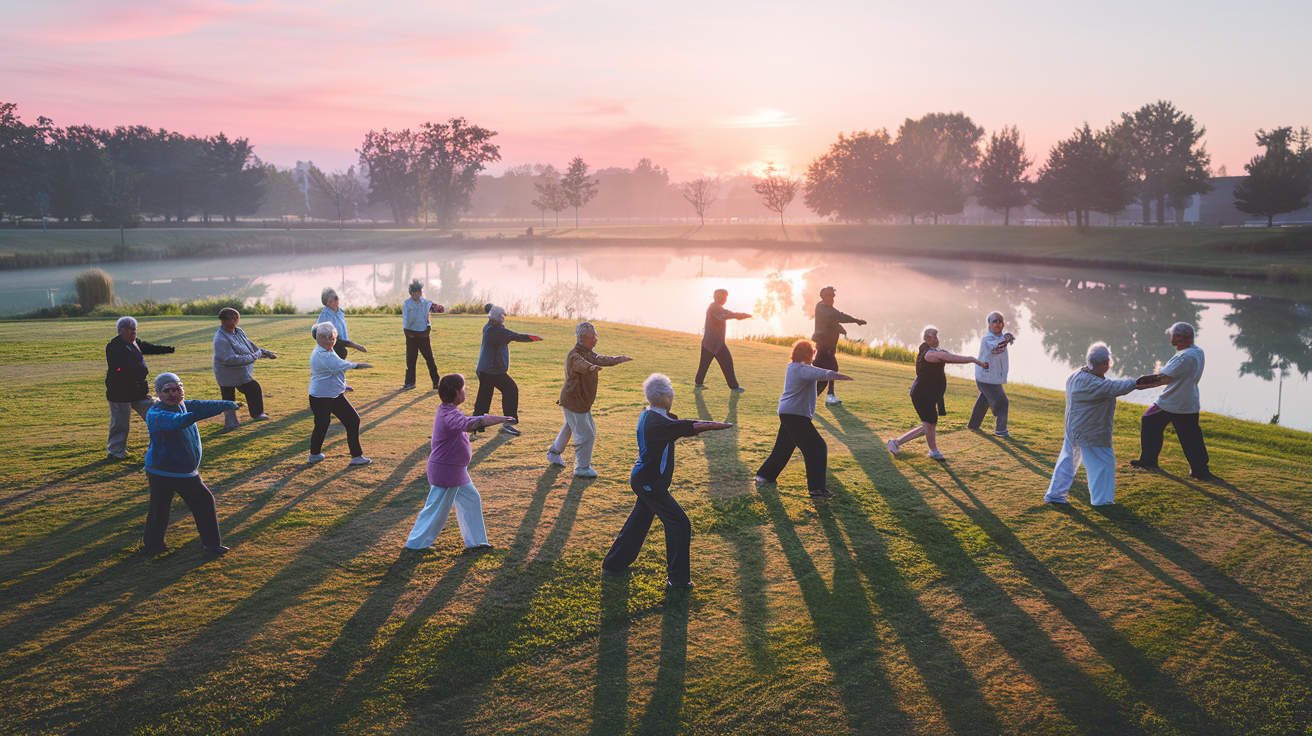
Super agers don’t necessarily run marathons. Many walk briskly, garden, swim, or practice gentle yoga. The key is consistency. The CDC recommends that adults aged 65 and older get at least 150 minutes of moderate-intensity aerobic activity per week, along with muscle-strengthening exercises twice a week. Meeting these guidelines dramatically reduces the risk of heart disease, diabetes, and cognitive decline.
They Prioritize Social Connection
Loneliness is now recognized as a health risk comparable to smoking 15 cigarettes a day. Super agers maintain robust social networks — not through obligation, but through genuine engagement with friends, family, community groups, and volunteer organizations.
They Never Stop Learning
Whether it’s picking up a new language, learning to paint, or simply reading challenging books, super agers keep their brains engaged with novel stimulation. Neuroplasticity — the brain’s ability to form new connections — doesn’t stop at any age.
Want to learn more about what these remarkable individuals do differently? Read our popular article: 5 Tips From Super Agers on How to Live a Healthy Life.
Mental Health Improves with Age — and That Matters
One of the study’s most striking findings is that mental health and emotional well-being often improve as people age. Older adults report fewer episodes of anxiety, anger, and stress compared to younger adults. They also score higher on measures of gratitude, acceptance, and contentment.
Psychologists call this the “positivity effect.” As people age, they naturally shift their focus toward meaningful relationships and experiences, spending less energy on conflict, competition, and negativity. This isn’t complacency — it’s wisdom.
That said, mental health challenges like depression and anxiety still affect millions of seniors, often exacerbated by isolation, chronic pain, or financial stress. If you or someone you love is struggling, don’t dismiss it as a normal part of aging. Effective treatments exist at every age.
Protecting Your Health Coverage Is Part of Healthy Aging
Of course, staying healthy as you age requires access to quality healthcare — and that’s become an increasing concern for American seniors. Recent policy changes have left millions of older adults scrambling to maintain their coverage.
Rising Medicare costs and shifts in government programs are creating real barriers to the preventive care that makes healthy aging possible. If you’re worried about your coverage, we strongly recommend reading: Why Millions of Seniors Have Suddenly Lost Health Coverage.
Understanding your benefits and advocating for yourself within the healthcare system is one of the most important things you can do for your long-term well-being.
Practical Steps You Can Take Today
The new research on aging is empowering, but it’s most useful when translated into action. Here are evidence-based steps you can start today:
- Move your body daily. Even 20 minutes of walking can improve cardiovascular health, mood, and cognitive function.
- Stay socially engaged. Call a friend, join a club, volunteer. Connection is medicine.
- Challenge your brain. Puzzles, reading, learning a new skill — all of these build cognitive reserve.
- Eat for longevity. A Mediterranean-style diet rich in vegetables, fish, nuts, and olive oil is consistently linked to healthy aging.
- Get regular checkups. Preventive screenings catch problems early when they’re most treatable.
- Reject negative stereotypes. How you think about aging directly impacts how you age. Choose optimism backed by action.
The Bottom Line: Your Best Years May Still Be Ahead
The science is clear — aging doesn’t mean decline for most seniors. While challenges certainly exist, the overall picture is far more hopeful than our culture typically portrays. Millions of older Americans are living proof that the later decades of life can be rich with growth, purpose, joy, and vitality.
Don’t let outdated stereotypes define your future. The research is on your side, and so is your own remarkable capacity to adapt, learn, and thrive — at any age.