
The Old Story About Getting Older Is Wrong
For decades, Americans have been told that aging is a slow, inevitable slide into decline. Weaker bodies. Foggy minds. Less joy. But a groundbreaking new study is turning that tired narrative on its head — and the findings should give every senior in America a reason to feel hopeful.
Research now shows that aging doesn’t mean decline for a significant number of older adults. In fact, many people experience genuine improvement in key areas of well-being as they grow older. If you’re a senior who’s been dreading each passing birthday, this is the wake-up call you’ve been waiting for.
What the New Research Actually Found
A comprehensive study published in recent months has challenged long-held assumptions about what happens to our bodies and minds after 65. Researchers tracked thousands of older adults across multiple dimensions of health — including physical function, cognitive ability, emotional well-being, and social engagement.
The results were striking. While some participants did experience gradual decline, a large proportion either maintained their abilities or actually improved over time. Emotional resilience, life satisfaction, and even certain cognitive skills showed upward trends in many older adults.
According to the National Institute on Aging, growing evidence supports the idea that aging is far more variable than previously believed. Genetics, lifestyle, social connections, and mindset all play powerful roles in determining whether someone thrives or struggles in their later years.
This aligns with broader findings about how Americans view their own aging journeys. For a deeper look at the data, check out What 9,000 Adults Reveal About Aging in America Today.
Why So Many Seniors Are Actually Getting Better With Age
So what’s behind this surprising trend? Researchers point to several key factors that separate those who improve from those who don’t.
Emotional Intelligence Peaks Later in Life
One of the most consistent findings in aging research is that emotional regulation improves with age. Older adults tend to experience fewer negative emotions, manage stress more effectively, and focus more on meaningful relationships. Psychologists call this the “positivity effect,” and it’s backed by decades of data.
Simply put, seniors often know what matters — and they stop wasting energy on what doesn’t.
Lifestyle Choices Compound Over Time
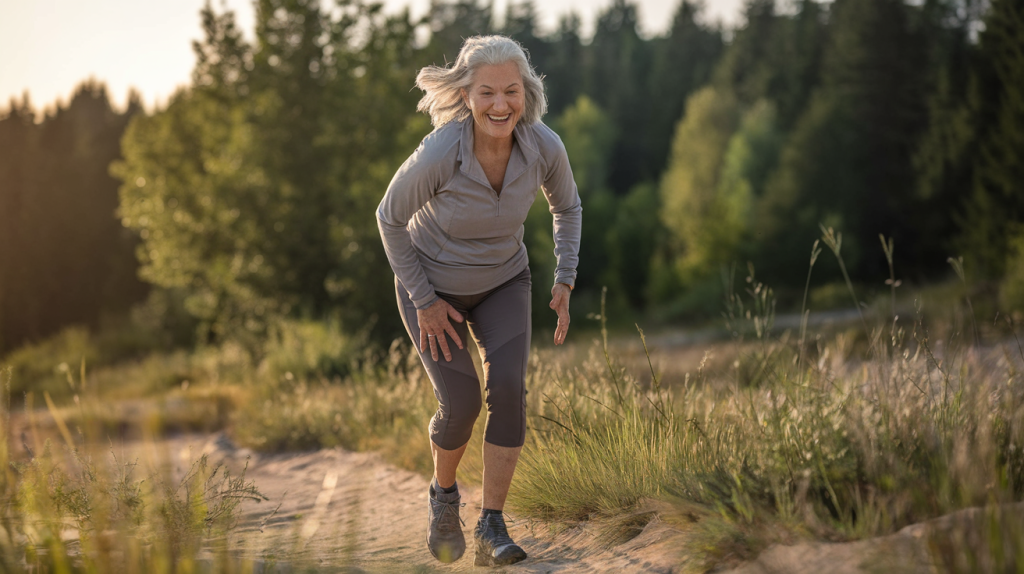
Seniors who stay physically active, eat well, and remain socially engaged tend to see compounding benefits as they age. Regular walking, swimming, or even gardening can preserve muscle mass, improve cardiovascular health, and boost mood. The Mayo Clinic emphasizes that it’s never too late to start — even modest exercise in your 70s and 80s produces measurable health improvements.
Purpose and Social Connection Matter Enormously
Seniors who volunteer, mentor, or participate in community activities report higher levels of well-being than those who are isolated. Having a sense of purpose has been linked to lower rates of Alzheimer’s disease, heart disease, and depression. The study found that social engagement was one of the strongest predictors of whether someone improved or declined over time.

The Myth of Inevitable Cognitive Decline
Perhaps the most feared aspect of aging is losing mental sharpness. And while conditions like Alzheimer’s disease are real and devastating, the new research confirms that cognitive decline is not a guaranteed outcome of growing older.
Many older adults maintain — and even sharpen — certain cognitive abilities well into their 80s. Vocabulary, general knowledge, and problem-solving skills rooted in experience often improve with age. These are sometimes called “crystallized intelligence,” and they represent the wisdom that only comes from a lifetime of learning.
Meanwhile, exciting breakthroughs in brain health research continue to offer new hope. For the latest developments, read our coverage of Advances in Aging and Alzheimer’s Research: New Hope for Seniors.
The CDC reports that staying mentally active through reading, puzzles, learning new skills, and social interaction can significantly reduce the risk of cognitive decline. The brain, like the body, responds to consistent use.
What This Means for Your Health Decisions Today
If aging doesn’t mean automatic decline, then every health decision you make today carries even more weight. The choices aren’t just about slowing down deterioration — they’re about building a better, more fulfilling life in your later years.
Here are practical steps backed by the latest research:
- Move your body daily. Even 20-30 minutes of walking can transform your physical and mental health.
- Stay socially connected. Call a friend, join a club, volunteer. Isolation is one of the biggest risk factors for decline.
- Challenge your brain. Learn a new language, take up a musical instrument, or tackle crossword puzzles regularly.
- Manage chronic conditions proactively. Work closely with your doctor on issues like blood pressure and diabetes. For important guidance, see our article on Blood Pressure Guidelines for Seniors: How Low Should You Go?
- Prioritize sleep. Quality rest is essential for memory consolidation and cellular repair.
- Eat for your brain and heart. The Mediterranean diet has been consistently linked to better cognitive and cardiovascular outcomes in older adults.
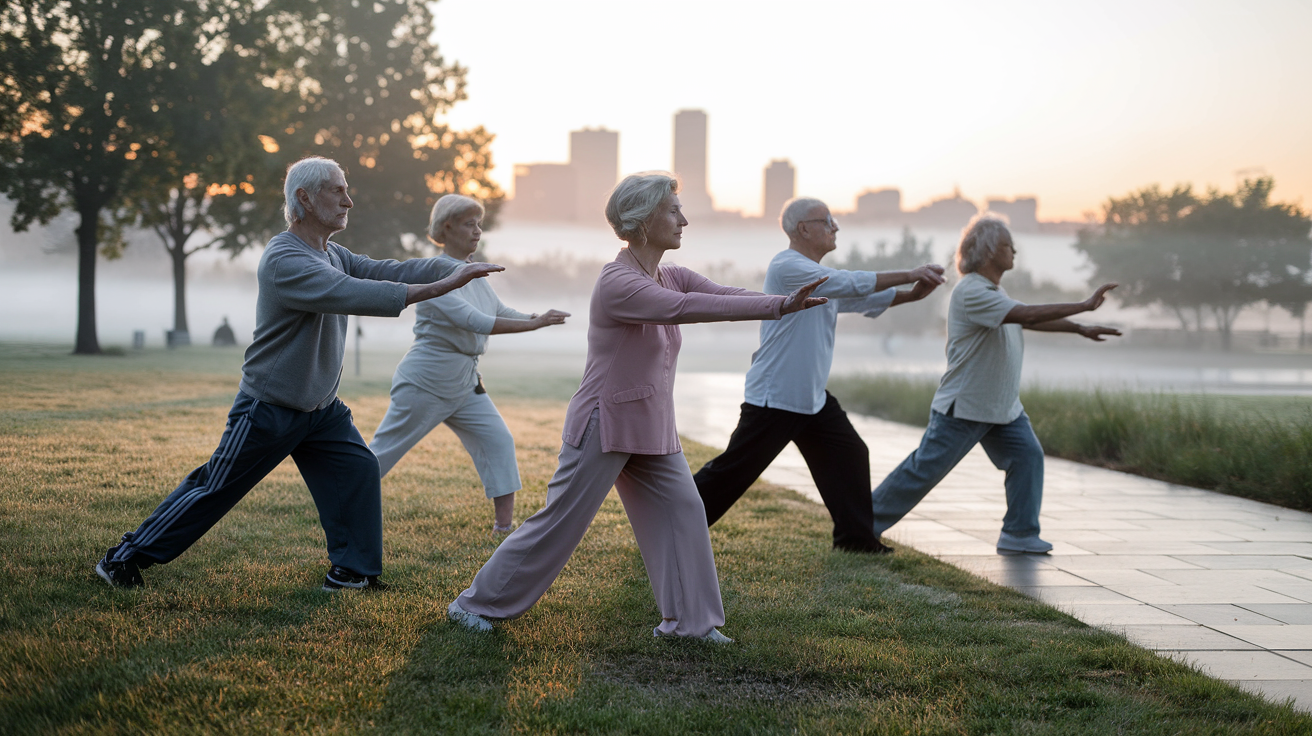
Rewriting the Story of Aging in America
For too long, American culture has treated aging as something to fear and fight against. Anti-aging creams, “senior moments” jokes, and a youth-obsessed media landscape have all reinforced the idea that getting older is losing something precious.
But this new study — and the growing body of evidence behind it — tells a different story. Aging doesn’t mean decline for millions of older adults. It means growth, wisdom, deeper relationships, and in many cases, genuine improvement in quality of life.
That doesn’t mean challenges don’t exist. Financial pressures, healthcare costs, and chronic illness are real concerns for American seniors. But the science is clear: your trajectory is not set in stone. How you live, connect, and engage with the world has enormous power over how you age.
The Bottom Line: Your Best Years May Still Be Ahead
If there’s one takeaway from this landmark research, it’s this: don’t let anyone tell you that aging means decline. The data shows otherwise. Many older adults are living proof that the later chapters of life can be among the richest and most rewarding.
Whether you’re 65 or 85, the science says you still have the power to improve your health, sharpen your mind, and deepen your happiness. The story of aging in America is being rewritten — and seniors themselves are the ones holding the pen.
Stay informed, stay active, and never stop believing that your best days aren’t behind you. They may be right around the corner.