

Could a Daily Multivitamin Actually Slow Down How Fast You Age?
For decades, seniors have been told that aging is an inevitable, one-way street. But a groundbreaking new study is challenging that assumption — and the answer might already be sitting in your medicine cabinet.
Recent research suggests that multivitamins may slow biological aging in older adults, offering a simple and affordable way to support long-term health. For millions of American seniors looking for practical ways to stay healthy and independent, this news couldn’t come at a better time.
Let’s break down what the study found, what it means for you, and how to make the most informed decisions about your health as you age.
What the New Study Reveals About Multivitamins and Aging
The study, conducted by researchers affiliated with the National Institute on Aging, examined how daily multivitamin supplementation affected biological markers of aging in adults over 60. Rather than simply looking at how long people lived, researchers measured something called epigenetic age — essentially, how old your cells act compared to your actual birth date.
The results were striking. Participants who took a daily multivitamin showed measurable signs of slower biological aging compared to those who took a placebo. In some cases, the biological clock appeared to slow by nearly two years over the course of the study period.
This doesn’t mean multivitamins are a fountain of youth. But it does suggest that filling common nutritional gaps — something many seniors struggle with — could have a real, measurable impact on how the body ages at a cellular level.
Why Nutritional Gaps Are So Common in Older Adults
As we age, our bodies become less efficient at absorbing key nutrients. Appetite often decreases, and dietary restrictions due to chronic conditions can limit the variety of foods we eat. According to the Centers for Disease Control and Prevention (CDC), a significant percentage of adults over 65 are deficient in essential vitamins and minerals, including vitamin D, vitamin B12, calcium, and magnesium.
These deficiencies aren’t just numbers on a lab report. They contribute to fatigue, weakened bones, cognitive decline, and a compromised immune system — all issues that can dramatically affect quality of life for seniors.
That’s precisely why the finding that multivitamins may slow biological aging is generating so much excitement. It points to a simple intervention that could help address widespread nutritional shortfalls.

What “Biological Aging” Really Means for Your Health
You might be wondering: what’s the difference between your actual age and your biological age? Think of it this way — two people can both be 72 years old, but one might have the cellular health of a 65-year-old while the other resembles someone closer to 80.
Biological aging is influenced by genetics, lifestyle, diet, stress, and environmental factors. It’s measured through specific markers in your DNA that researchers can now track with remarkable precision.
Slowing biological aging doesn’t just mean looking younger. It’s associated with lower risks of heart disease, dementia, diabetes, and other age-related conditions. For seniors, even a modest slowdown in biological aging could mean more years of independence and vitality.
If this kind of optimistic research resonates with you, you’ll also want to read about a new study showing that aging doesn’t mean decline for most seniors. The science is increasingly clear: getting older doesn’t have to mean getting worse.
Should You Start Taking a Multivitamin?
Before you rush to the supplement aisle, there are a few important things to consider. Not all multivitamins are created equal, and what works for one person may not be appropriate for another.
Talk to Your Doctor First
This is especially important if you take prescription medications. Some vitamins and minerals can interact with common drugs like blood thinners, blood pressure medications, and thyroid treatments. Your doctor can help you choose a formulation that’s safe and effective for your specific situation.
Look for Quality and Transparency
The Mayo Clinic recommends choosing supplements that have been independently tested by organizations like USP (United States Pharmacopeia) or NSF International. These seals indicate that the product contains what it claims and is free from harmful contaminants.
Don’t Replace a Healthy Diet
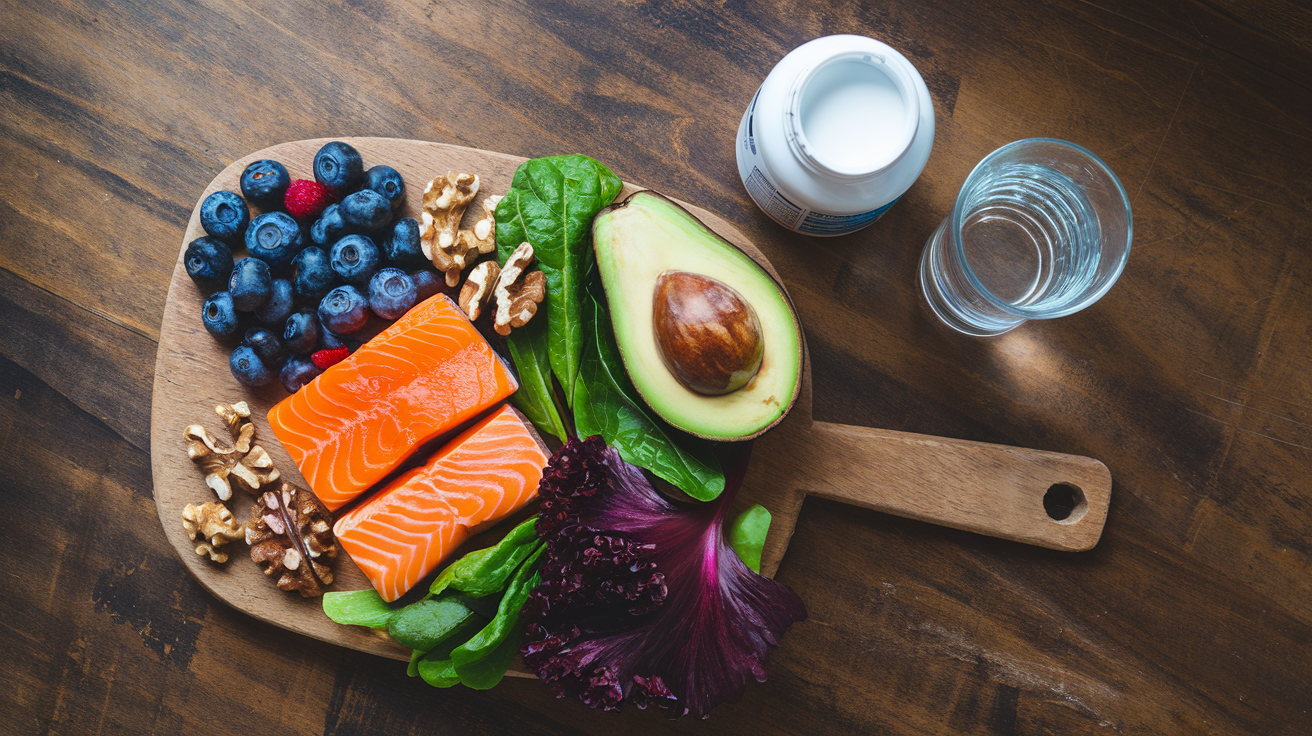
Multivitamins are meant to supplement your diet, not replace it. A balanced eating plan rich in fruits, vegetables, lean proteins, whole grains, and healthy fats remains the foundation of healthy aging. Think of a multivitamin as an insurance policy for the days when your diet falls short.
Lifestyle Habits That Work Alongside Supplementation
The study’s findings are most promising when multivitamin use is combined with other healthy habits. Seniors who want to maximize their chances of aging well should also consider these evidence-backed strategies:
- Stay physically active. Even 30 minutes of walking most days can improve cardiovascular health, balance, and mood.
- Prioritize sleep. Poor sleep accelerates biological aging. Aim for seven to eight hours per night.
- Stay socially connected. Loneliness and isolation are linked to faster cognitive decline and increased mortality risk.
- Manage stress. Chronic stress damages cells at the DNA level. Meditation, gentle yoga, and time in nature can help.
- Keep your mind engaged. Reading, puzzles, learning new skills, and meaningful conversations all support brain health.
For more actionable wisdom from people who are doing it right, check out these 5 tips from super agers on how to live a healthy life.
The Bigger Picture: Aging Well Is Within Your Control
One of the most empowering takeaways from this research is that aging well is not purely a matter of luck or genetics. The choices you make every day — including something as simple as taking a multivitamin — can influence how your body ages at the deepest level.
Of course, healthy aging isn’t just about physical health. Financial security plays a critical role in reducing stress and ensuring access to quality care. If you’re concerned about rising costs eating into your retirement, take a look at how inflation is depleting retirement savings faster than expected and plan accordingly.
The Bottom Line on Multivitamins and Aging
The evidence that multivitamins may slow biological aging in older adults is encouraging, but it’s not a magic bullet. It’s one piece of a much larger puzzle that includes nutrition, exercise, social connection, mental stimulation, and proactive healthcare.
What makes this study so significant is its message of hope. It tells seniors that small, consistent actions can make a meaningful difference — and that it’s never too late to invest in your health.
Talk to your doctor, choose a high-quality supplement, and pair it with the lifestyle habits that science consistently links to longer, healthier lives. Your future self will thank you.