

Key Takeaways
- Dehydration risk increases dramatically after age 60 because the body's thirst signal weakens with age, making proactive fluid intake essential.
- Adjusting medication timing and sun exposure can prevent dangerous heat-related drug interactions during summer months.
- Protein needs actually increase for seniors in summer due to higher metabolic demands, not decrease as many assume.
- Strategic meal planning with seasonal produce can help manage chronic conditions like diabetes, hypertension, and heart disease more effectively in warmer months.
Why Summer Demands a Different Health Strategy After 50
Every June, I start seeing the same pattern in my practice: older adults who felt fine in spring suddenly struggling with fatigue, dizziness, appetite loss, and worsening blood sugar control. After 15 years as a registered dietitian working with adults over 50, I can tell you that summer is one of the most physiologically challenging seasons for aging bodies — and most people don’t realize it until something goes wrong.
According to the CDC, adults aged 65 and older account for the highest rates of heat-related hospitalizations and deaths in the United States. Between 2004 and 2018, an average of 702 heat-related deaths occurred annually, with seniors representing a disproportionate share. But the risks go far beyond heatstroke. Summer changes how your body absorbs medications, how efficiently you metabolize nutrients, and how well your cardiovascular system performs under stress.
These summer health tips for seniors aren’t the generic “drink water and wear sunscreen” advice you’ve heard a thousand times. I’m going to walk you through the specific, science-backed strategies that I use with my own clients — the ones that actually make a measurable difference in lab work, energy levels, and chronic disease management during the hottest months of the year.
1. Rethink Your Hydration Beyond Just “Drinking More Water”
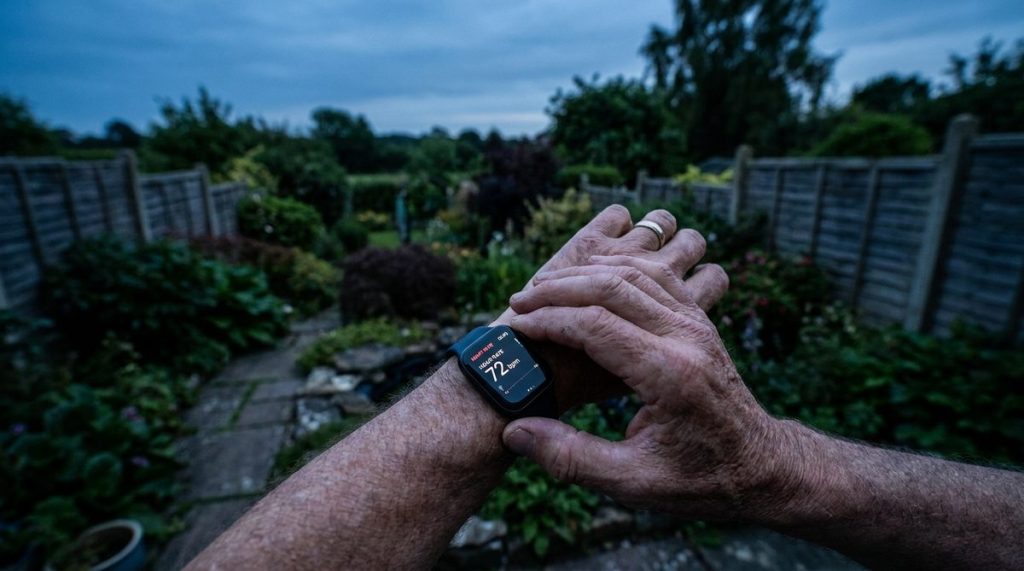
Here’s what I tell every client over 60: your thirst mechanism is essentially broken. Research from the National Institute on Aging confirms that the hypothalamus — the brain region regulating thirst — becomes less sensitive as we age. By the time you feel thirsty, you may already be 2-3% dehydrated, which is enough to impair cognitive function and raise blood pressure.
But simply gulping down eight glasses of plain water isn’t the answer either, especially if you’re on diuretics for hypertension or heart failure. What I see most often is seniors who drink plenty of water but flush out critical electrolytes in the process, leading to hyponatremia — dangerously low sodium levels that mimic dementia symptoms.
A Smarter Hydration Strategy
- Aim for roughly half your body weight in ounces of total fluid daily, then add 8-12 ounces for every 30 minutes spent outdoors in heat above 80°F
- Include electrolyte-rich beverages like coconut water (watch the potassium if you have kidney issues) or a pinch of sea salt and squeeze of lemon in water
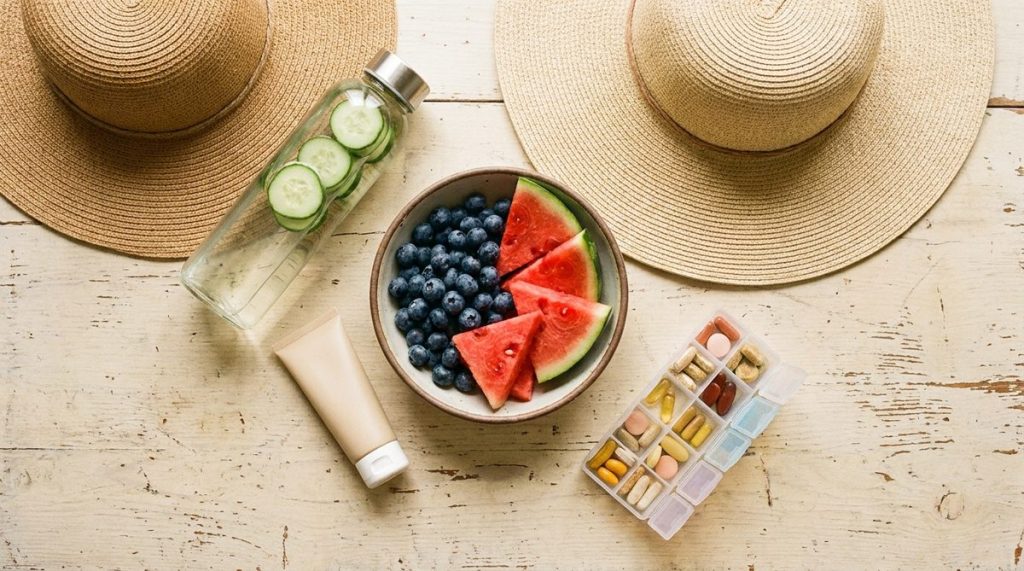
- Eat your water — watermelon is 92% water, cucumbers are 96%, and cantaloupe delivers both hydration and potassium
- Set timed reminders on your phone or use a marked water bottle with hourly goals rather than relying on thirst cues
- Monitor urine color: pale straw is the target, not completely clear (which can indicate over-hydration)
If you’re managing diabetes, keep in mind that dehydration concentrates blood sugar. I’ve seen A1C readings jump half a point over a single summer simply because a client wasn’t hydrating properly. That’s a meaningful shift that affects medication decisions.
2. Audit Your Medications for Heat Interactions
This is the summer health tip for seniors that doctors and pharmacists don’t emphasize enough. Several common medications prescribed to older adults interact dangerously with heat and sun exposure. In my experience, fewer than 30% of my clients over 65 know about these interactions before I bring them up.
Medications That Increase Summer Risk
- Beta-blockers (metoprolol, atenolol): reduce your heart’s ability to speed up in response to heat, impairing your body’s cooling mechanism
- Diuretics (furosemide, hydrochlorothiazide): accelerate fluid and electrolyte loss, compounding dehydration risk
- ACE inhibitors: can cause excessive potassium retention, especially when combined with potassium-rich summer fruits
- Certain antibiotics (doxycycline, ciprofloxacin): dramatically increase photosensitivity, leading to severe sunburns in minutes
- SSRIs and antidepressants: can impair the body’s thermoregulation and sweating response
I always recommend scheduling a “summer medication review” with your pharmacist in late May or early June. Ask specifically about heat sensitivity, photosensitivity, and whether your dosage timing should shift. For those also navigating the emotional challenges that often accompany aging, check out this resource on how to help your aging parent with depression — the medication overlaps between depression treatment and heat risk deserve special attention.

3. Increase Your Protein Intake — Yes, Even When Your Appetite Drops
Summer heat suppresses appetite. That’s not just your imagination — it’s a well-documented physiological response. Core body temperature rises, blood is redirected to the skin for cooling, and digestive processes slow. For seniors, this creates a dangerous cascade: less eating leads to less protein, which accelerates muscle loss (sarcopenia), which increases fall risk and metabolic dysfunction.
The current research suggests that adults over 65 need 1.0 to 1.2 grams of protein per kilogram of body weight daily — roughly 25-40% more than what’s recommended for younger adults. During summer, when appetite naturally decreases, hitting that target requires strategy.
High-Protein, Heat-Friendly Foods
- Greek yogurt parfaits with berries and a tablespoon of hemp seeds (20+ grams of protein per serving)
- Chilled shrimp with avocado — no cooking required, and you get 20 grams of protein per 3-ounce serving
- Smoothies made with protein powder, frozen fruit, and nut butter — easy to consume when solid food feels unappealing
- Cold bean salads with chickpeas, black beans, or edamame tossed with olive oil and fresh herbs
- Cottage cheese bowls with sliced peaches — 14 grams of protein per half cup
I often tell my clients that the meals you eat between June and September directly impact your bone density and muscle mass readings in October. Summer nutrition isn’t a vacation from your health goals — it’s when the stakes are actually higher.
4. Restructure Your Exercise Around Heat Windows
Physical activity remains one of the single most powerful interventions for managing chronic conditions in older adults. A 2023 meta-analysis in the Journal of the American Geriatrics Society found that consistent moderate exercise reduced all-cause mortality risk by 35% in adults over 65. But summer demands a scheduling overhaul.
The safest exercise windows during summer months are before 9 a.m. and after 6 p.m. when UV index and temperatures are lower. For adults managing cardiovascular conditions, this isn’t optional — it’s a safety requirement. The Mayo Clinic specifically warns that exercising in high heat forces the heart to work significantly harder, which can trigger cardiac events in vulnerable individuals.
Summer-Friendly Activities for Seniors
- Water aerobics or pool walking — buoyancy reduces joint stress by up to 90% while water provides natural cooling
- Early-morning mall walking groups — climate-controlled, flat surfaces, and social engagement
- Chair yoga or stretching in air-conditioned community centers
- Resistance band exercises at home during peak heat hours
- Evening neighborhood walks with a buddy (both for safety and accountability)
If you’ve been putting off building a consistent exercise routine, these healthy habits for aging well in your 60s, 70s, and beyond provide an excellent starting framework that you can adapt for summer.
5. Protect Your Skin Like Your Life Depends on It — Because It Does
Skin cancer is the most common cancer in the United States, and incidence rates climb sharply after age 50. According to the Skin Cancer Foundation, the average age of melanoma diagnosis is 65, and men over 50 have the highest risk of developing the disease. Yet I consistently see older clients who treat sunscreen as optional or only apply it at the beach.
What many people don’t realize is that cumulative sun damage doesn’t just affect cancer risk — it impairs your skin’s ability to synthesize vitamin D efficiently and compromises wound healing, which is critical for diabetic seniors managing foot ulcers or surgical recovery.
- Use broad-spectrum SPF 30 or higher daily, even on cloudy days (80% of UV rays penetrate cloud cover)
- Apply sunscreen 15 minutes before going outdoors and reapply every two hours
- Wear UPF-rated clothing, wide-brimmed hats, and UV-blocking sunglasses
- Schedule annual skin checks with a dermatologist — early melanoma has a 99% five-year survival rate
- Check your own skin monthly, paying special attention to areas that get chronic sun exposure: ears, neck, forearms, and scalp
6. Use Seasonal Produce to Manage Chronic Conditions Naturally
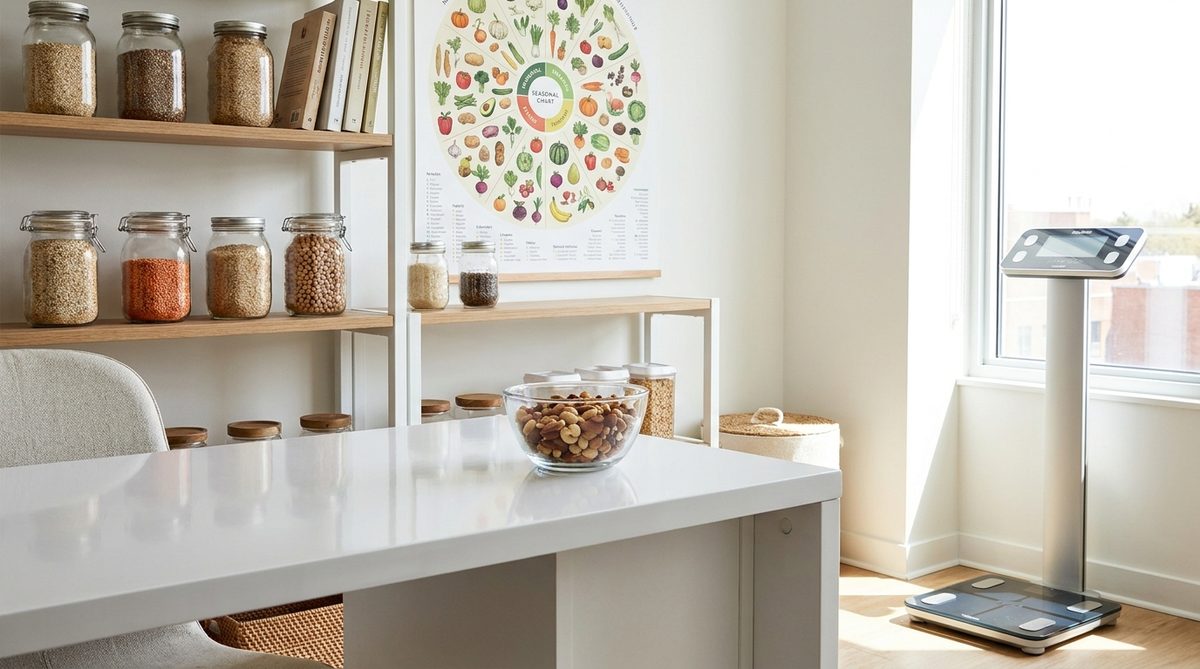
Summer is genuinely the best season for therapeutic nutrition. The variety and affordability of fresh produce between June and September makes it the ideal time to harness food as medicine — a principle I’ve built my entire career around.
For my clients managing Type 2 diabetes, I emphasize berries. Blueberries, strawberries, and blackberries have among the lowest glycemic indexes of any fruit (typically 25-40 on the GI scale) while delivering powerful anthocyanins that a 2020 BMJ study linked to a 26% reduction in Type 2 diabetes risk when consumed regularly.
Condition-Specific Summer Superfoods
- Hypertension: Beets (natural nitrates lower systolic blood pressure by 4-10 mmHg), leafy greens, and potassium-rich tomatoes
- Arthritis and inflammation: Cherries (tart cherry juice has been shown to reduce inflammatory markers by up to 25%), turmeric-spiced dishes, and omega-3-rich grilled salmon
- Heart disease: Avocados (monounsaturated fats improve HDL cholesterol), fresh herbs like basil and cilantro that replace excess sodium, and fiber-rich summer squash
- Cognitive decline: The MIND diet emphasizes berries and leafy greens — both peak in summer — and research from Rush University found the diet reduced Alzheimer’s risk by up to 53%
- Osteoporosis: Calcium-rich figs come into season in late summer, and pairing them with vitamin D from safe, brief sun exposure supports bone health
Visit your local farmers’ market and talk to the growers. Produce picked within 24-48 hours retains significantly more vitamins than supermarket alternatives that may have traveled 1,500 miles over five to seven days. It’s one of the easiest upgrades you can make.
7. Don’t Let Summer Isolation Undermine Your Health
This final tip might surprise you in an article about summer health tips for seniors, but in my clinical experience, it’s often the most impactful. Summer can be profoundly isolating for older adults. Snowbird friends leave, grandchildren go to camp, extreme heat confines people indoors, and the long, bright days can paradoxically feel emptier.
The health consequences of social isolation are staggering. A landmark study from Brigham Young University found that chronic loneliness increases mortality risk by 26% — making it comparable to smoking 15 cigarettes a day. The National Institute on Aging has identified social isolation as a significant risk factor for dementia, depression, heart disease, and weakened immunity.
Practical Ways to Stay Connected
- Join a summer walking group, water aerobics class, or community garden — structured activities create consistent social contact
- Schedule weekly video calls with family or friends who live far away — and don’t believe the myth that seniors can’t handle the technology. As this piece on myths about seniors and technology explains, older adults are adopting digital tools faster than ever
- Volunteer at a local food bank, library, or hospital — purpose-driven activity combats both isolation and depression
- Attend free community events like outdoor concerts, library programs, or senior center lunches
- Consider adopting a pet if your living situation allows — even a cat or small dog provides companionship and encourages routine
I’ve watched clients improve their blood pressure, blood sugar, and cholesterol numbers simply by adding meaningful social interaction back into their weekly routine. Nutrition matters enormously, but humans are not meant to eat — or live — alone.
Making These Summer Health Tips for Seniors Stick
The difference between reading health advice and actually benefiting from it comes down to implementation. I recommend picking two or three of these strategies and committing to them for the first two weeks of summer. Once those become routine, layer in more.
Print this list. Stick it on your refrigerator. Share it with your spouse, your neighbor, your adult children. Talk to your doctor or dietitian about which tips are most relevant to your specific conditions and medications. Summer should be a season you enjoy — not one you just survive.
Your body at 60, 70, or 80 is more resilient than you might think, but it does require more intentional care when the temperature climbs. These adjustments aren’t dramatic lifestyle overhauls. They’re targeted, evidence-based tweaks that protect the health you’ve worked hard to maintain. And from where I sit — across the table from thousands of older adults who’ve made these changes — they work.
Frequently Asked Questions
How much water should a senior drink per day in summer?
A general guideline is half your body weight in ounces of total fluids daily, plus an additional 8-12 ounces for every 30 minutes of outdoor activity in temperatures above 80°F. However, if you take diuretics or have kidney disease, work with your doctor to determine the right amount, as over-hydration can be just as dangerous as dehydration for some individuals.
What are the warning signs of heat exhaustion in older adults?
Key warning signs include heavy sweating followed by a sudden stop in sweating, confusion or disorientation, nausea, rapid heartbeat, headache, dizziness, and muscle cramps. Seniors on beta-blockers or anticholinergic medications may not sweat normally, making confusion and rapid pulse especially critical signs to watch for. If you suspect heat exhaustion, move to a cool environment, apply cool cloths, and call 911 if symptoms don't improve within 15 minutes.
Can summer heat affect blood sugar levels in diabetic seniors?
Yes, significantly. Heat causes dehydration, which concentrates blood glucose and can lead to dangerously high readings. Additionally, insulin and some oral diabetes medications are absorbed faster in hot weather due to increased blood flow to the skin, which can cause unexpected blood sugar drops. Store insulin below 86°F, test blood sugar more frequently during heat waves, and stay proactively hydrated to maintain stable levels throughout the summer.
About Dr. Linda Park, PhD, RD (Registered Dietitian)
Dr. Linda Park is a Registered Dietitian with a PhD in Nutritional Science and 15 years of clinical and research experience focused on older adults. She has published peer-reviewed research on the role of nutrition in managing diabetes, cardiovascular health, and cognitive decline in seniors. At Daily Trends Now, Dr. Park writes evidence-based articles on senior nutrition, supplement safety, meal planning, and the foods that truly make a difference for aging well.